
Brazilian Real Under Pressure as New 25% US Tariff Takes Effect
The USD/BRL exchange rate rose to 5.0891 as a 25% US import surcharge on Brazilian goods went into effect, threatening Brazil's record trade surplus.
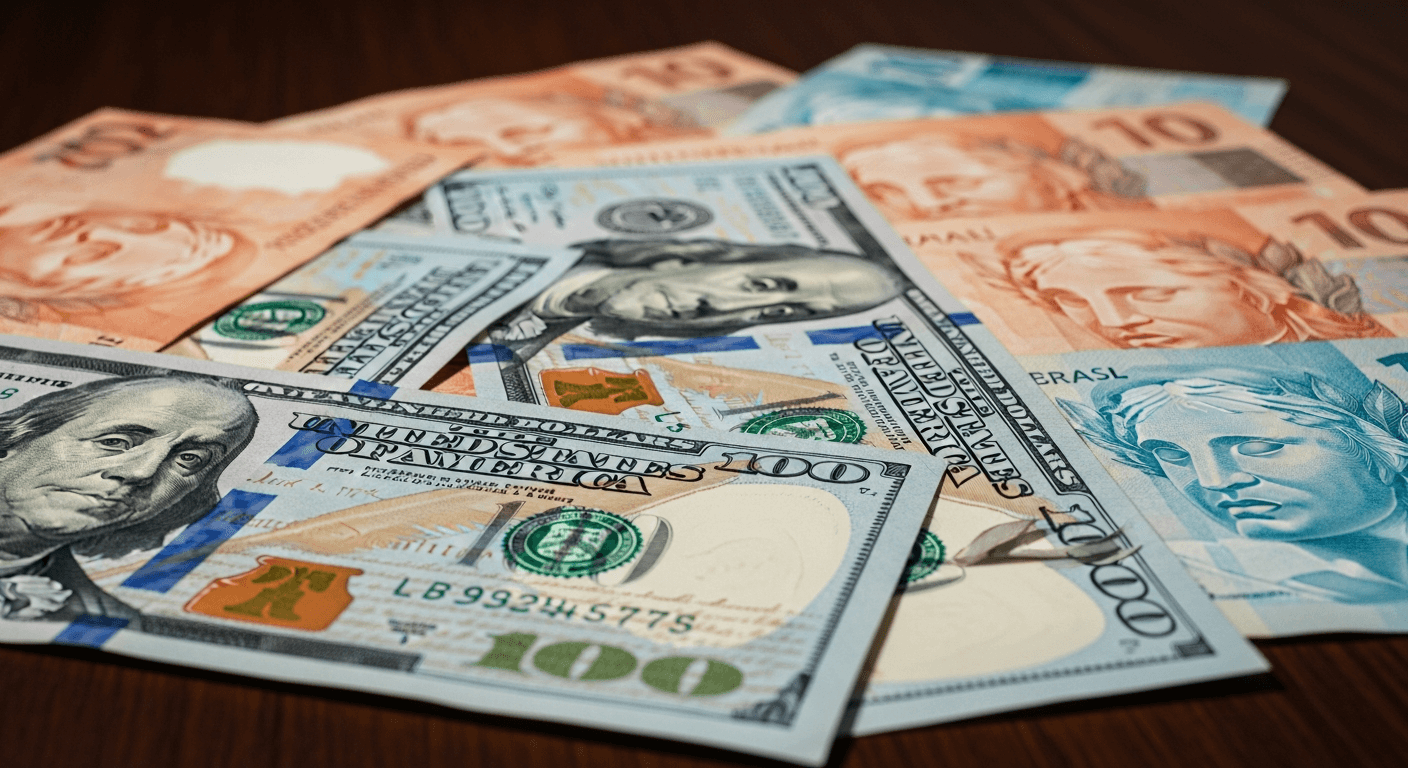
The Brazilian real faced renewed downward pressure on July 22, 2026, as a new 25% US import tariff surcharge on certain Brazilian products officially took effect. The USD/BRL exchange rate rose slightly to 5.0891, reversing some of the real's recent gains as foreign exchange markets reacted to the potential disruption of trade flows between Latin America's largest economy and its second-largest trading partner. In early trading, the spot USD/BRL rate hovered around 5.0778, reflecting heightened volatility.
The tariff surcharge, implemented under Section 301 of the Trade Act of 1974, raises the average tariff on Brazilian products from 11.7% to 18.22%. The Office of the US Trade Representative (USTR) finalized the duties following a year-long investigation into Brazil's policies regarding digital trade, agricultural market access, and environmental enforcement. While major export commodities such as beef, coffee, and crude oil are exempt from the new levies, key sectors like sugar, ethanol, footwear, and machinery will face the immediate 25% penalty.
This trade friction threatens to curb crucial US dollar inflows, clouding the otherwise positive Brazilian real forecast. The new duties are expected to weigh heavily on export revenues and could erode Brazil's trade surplus, which the government recently projected at a record $90 billion for 2026. A shrinking trade balance typically reduces structural demand for the real, as foreign buyers require fewer local currency conversions to settle trade accounts.
The policy shock also reverberated across Brazilian financial markets, impacting domestic equities and the benchmark Ibovespa today. Global investors looking to invest in Brazil watched the benchmark index slip, dragging down the primary Brazil ETF (EWZ) and major US-listed Brazilian ADRs. Shares of key exporters, including iron ore giant Vale (VALE) and state oil firm Petrobras (PBR), alongside financial heavyweights like Itaú Unibanco (ITUB) and Banco Bradesco (BBD), saw increased volatility as traders weighed the broader macroeconomic fallout of the US trade measures.
Latest articles
Agro · PRO
Brazil's Bid for 80,000 Tons of Beef Exports to China Awaits Beijing's Quota Veto
Published
Markets · PRO
Brazil Finance Ministry Cuts 2026 GDP Forecast to 2.0% on Drag From High Selic Rate
Published
Investing · PRO
Brightshore Capital, Formerly GTIS Partners, Launches $250 Million Debt Platform Eyeing Brazilian Real Estate
Published