
Pix Defies US Trade Backlash to Become Global Fintech Model
Brazil's Pix payment system faces US tariff pressure but continues its massive expansion, acting as a global fintech blueprint and a key bridge for crypto.
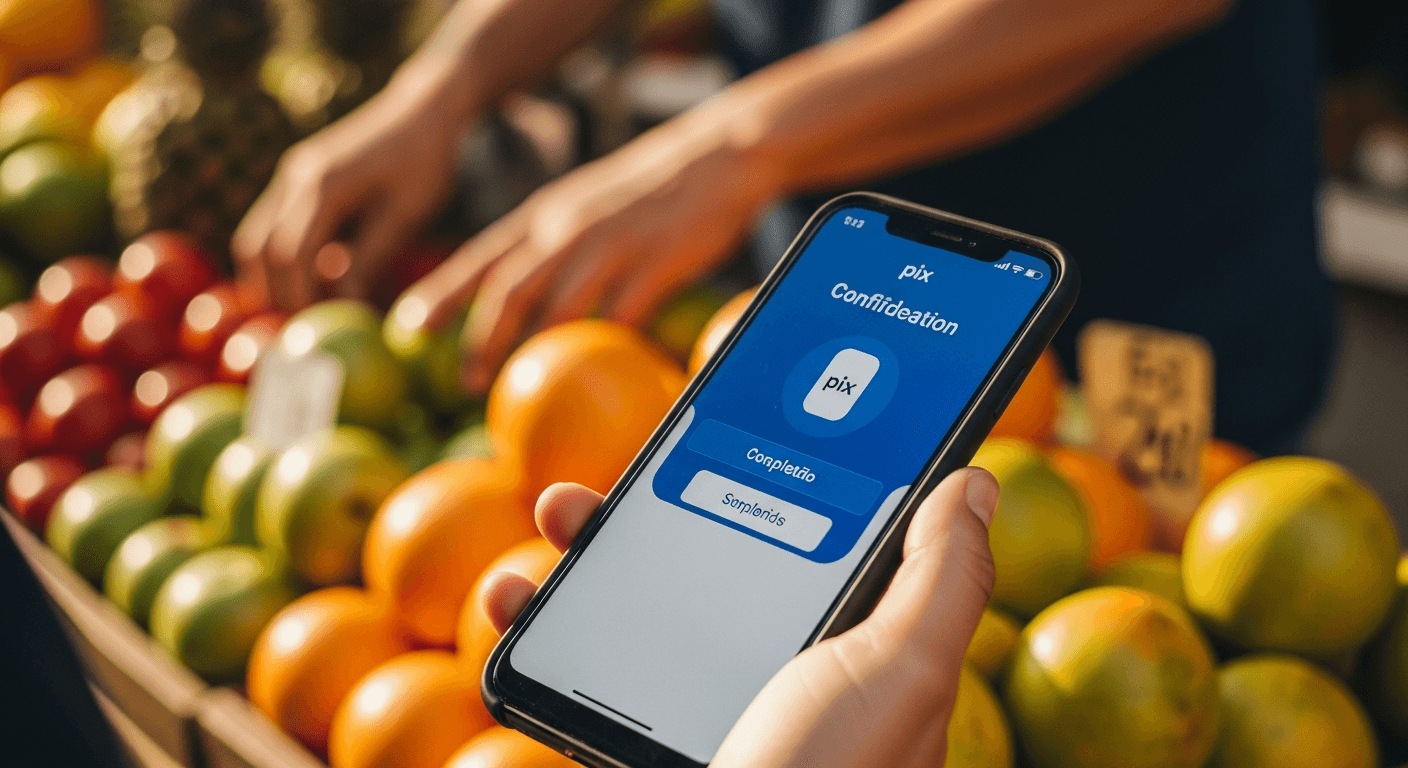
Brazil’s instant-payment system, Pix, has emerged as a central flashpoint between Brasília and Washington, even as the platform solidifies its role as a premier global fintech model and a critical bridge for digital assets. The Office of the United States Trade Representative (USTR) recently cited Pix as a barrier to trade, arguing that the central bank-run system disadvantages American payment giants like Visa and Mastercard. Despite this geopolitical friction, the structural growth of Pix continues to present a compelling opportunity for global fintech and digital asset investors looking to invest in Brazil.
The scale of Pix’s domestic dominance is unprecedented. In 2025, the system processed approximately R$35 trillion (roughly $6.7 trillion USD) across nearly 80 billion transactions, cementing its position as the country's most popular payment method. This explosive transaction volume has caught the attention of global central banks. The Central Bank of Brazil has already signed information-sharing and cooperation agreements for Pix with 65 international counterparts, including Germany, Canada, and Turkey, as other nations look to replicate the low-cost public utility model.
Beyond traditional retail banking, Pix has quietly become a highly efficient on-ramp for the cryptocurrency ecosystem in Latin America. Major global digital asset platforms, including Coinbase (NASDAQ: COIN) and MetaMask, have integrated Pix directly into their platforms to allow frictionless fiat-to-crypto transfers. This integration has fueled a massive appetite for dollar-pegged digital assets; approximately 90% of Brazil's cryptocurrency transactions now utilize dollar-linked stablecoins, allowing local users to hedge against local currency volatility via the USD/BRL pair.
For investors monitoring the Brazil ETF (EWZ) or major Brazilian equities, the domestic market remains active amidst the trade discussions. In local trading, the Ibovespa today hovered at 173,325.66 (-0.03%), while major blue-chip equities showed gains, with Petrobras (PETR4) trading at 41.66 (+1.24%), Vale (VALE3) at 72.37 (+0.61%), and Itaú Unibanco (ITUB4) at 42.53 (+0.54%). While trade tensions introduce near-term headlines, the underlying digitization of Brazil's financial sector continues to outpace much of the developed world.
Related coverage
Markets · PRO
Brazil Finance Ministry Cuts 2026 GDP Forecast to 2.0% on Drag From High Selic Rate
Published
Markets
Brazil's Election Divide Crystallizes Over Fiscal Rules, Lula Rejects PIX Privatization
Published
Markets · PRO
Petrobras to Drill Three More Equatorial Margin Wells After Securing IBAMA Approval
Published