
USD BRL Braces for Tariff Test as US Imposes 25% Duty on Brazil
A new 25% US import tariff on non-exempt Brazilian goods starting July 22 threatens trade inflows, testing the Brazilian real and Ibovespa today.
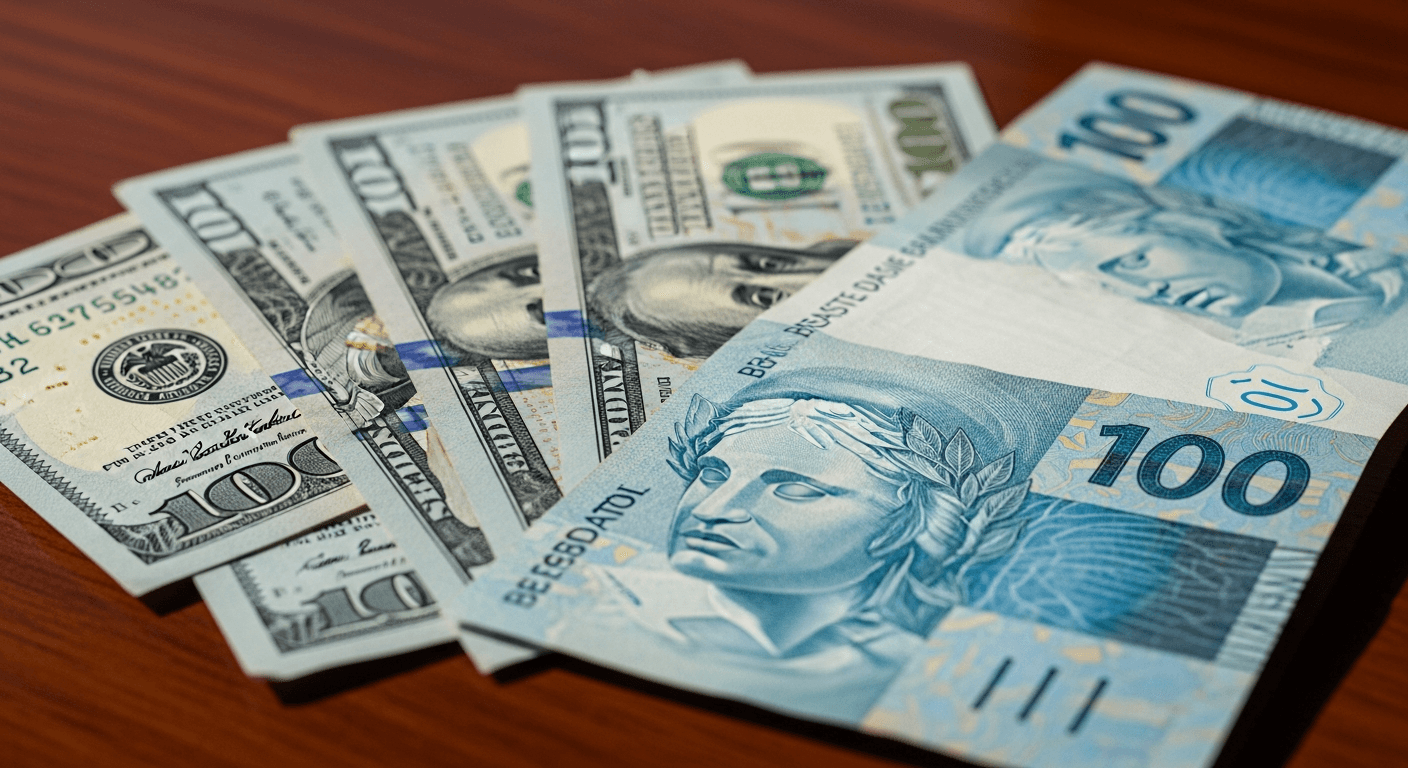
The Brazilian real faces a crucial currency test as the United States prepares to enforce a new 25% import tariff on non-exempt Brazilian goods starting July 22, 2026. The Office of the US Trade Representative (USTR) finalized the Section 301 duties following a year-long investigation into Brazil's trade, digital payment, and environmental policies. While the move threatens to squeeze bilateral trade inflows, the immediate impact on the currency may be cushioned by a wide list of exemptions and Brazil's high-yielding domestic debt.
In foreign exchange markets, the USD BRL currency pair continues to trade in a tight range near 5.09 to 5.12, supported heavily by the local interest rate environment. The Central Bank of Brazil's Copom decision to maintain the benchmark Selic interest rate at a restrictive 14.25% has kept the real highly attractive for carry-trade investors. This double-digit yield buffer has so far shielded the currency from broader emerging-market volatility, though the upcoming trade barriers are expected to test the limits of this support.
For global investors looking to invest in Brazil, the details of the tariff package offer some relief. Key agricultural and industrial exports—including beef, coffee, orange juice, and aerospace components—have been granted exemptions to prevent supply chain disruptions in the US. Consequently, major Brazilian ADRs like planemaker Embraer (ERJ) and agribusiness players may avoid the worst of the fallout. However, non-exempt sectors such as machinery, steel, and paper remain exposed, which could weigh on the broader Ibovespa today.
Market participants tracking the benchmark Brazil ETF (EWZ) are closely watching how the trade dispute influences local monetary policy. If the tariffs curb export revenues and pressure the currency, the central bank may be forced to keep the Selic rate elevated for longer to combat imported inflation. Investors will continue to monitor the USD BRL exchange rate and the performance of heavyweights like Vale (VALE) and Petrobras (PBR) as the July 22 deadline takes effect.
Latest articles
Agro · PRO
Brazil's Bid for 80,000 Tons of Beef Exports to China Awaits Beijing's Quota Veto
Published
Markets · PRO
Brazil Finance Ministry Cuts 2026 GDP Forecast to 2.0% on Drag From High Selic Rate
Published
Investing · PRO
Brightshore Capital, Formerly GTIS Partners, Launches $250 Million Debt Platform Eyeing Brazilian Real Estate
Published