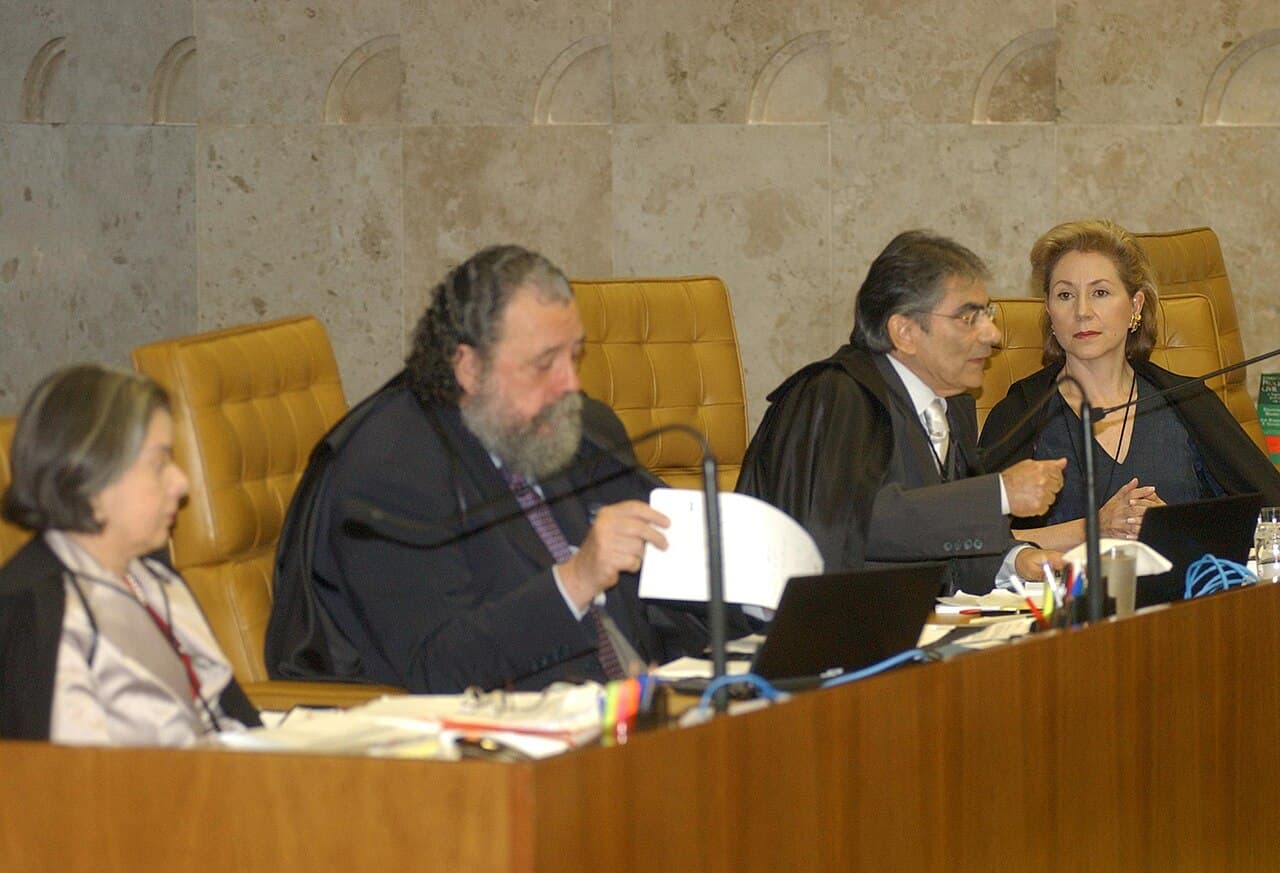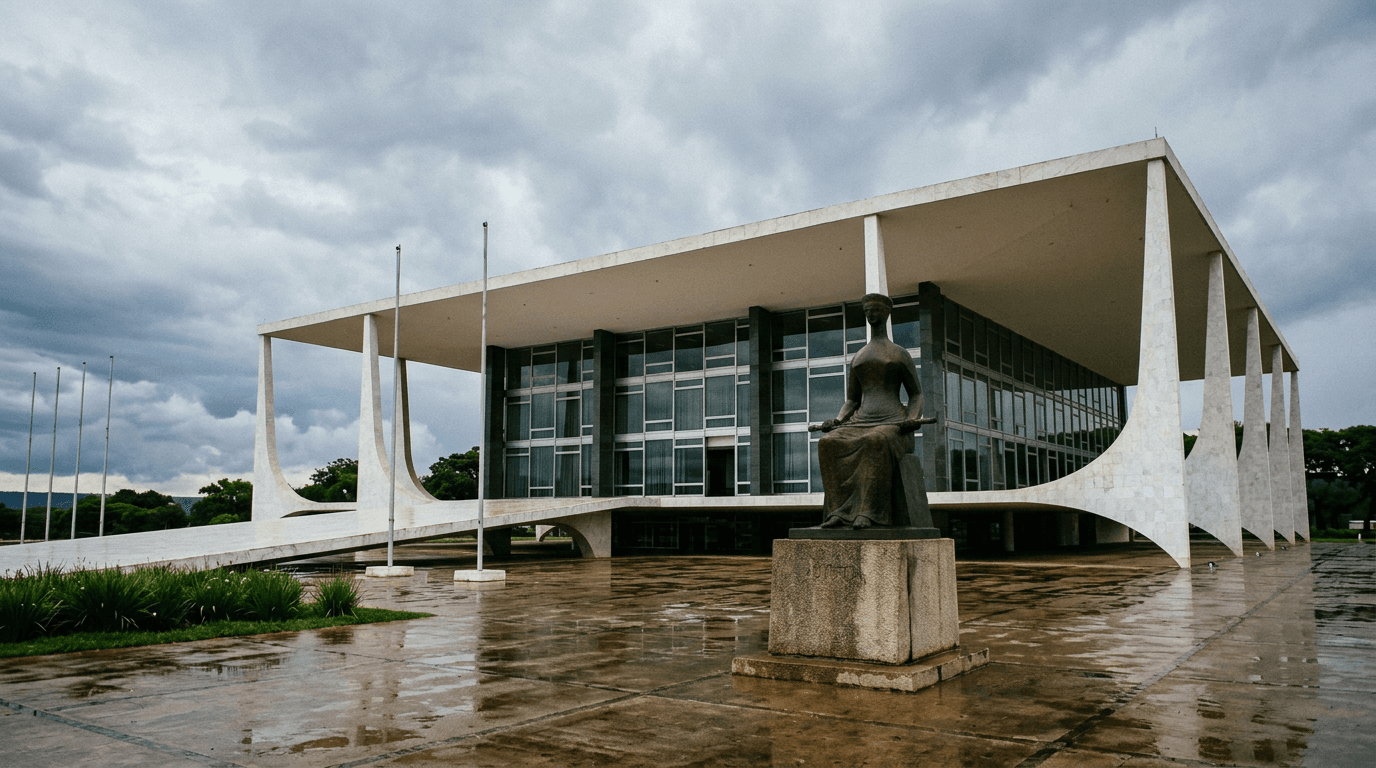
Brazil Supreme Court Disapproval Hits Record High Amid Judicial-Political Crisis
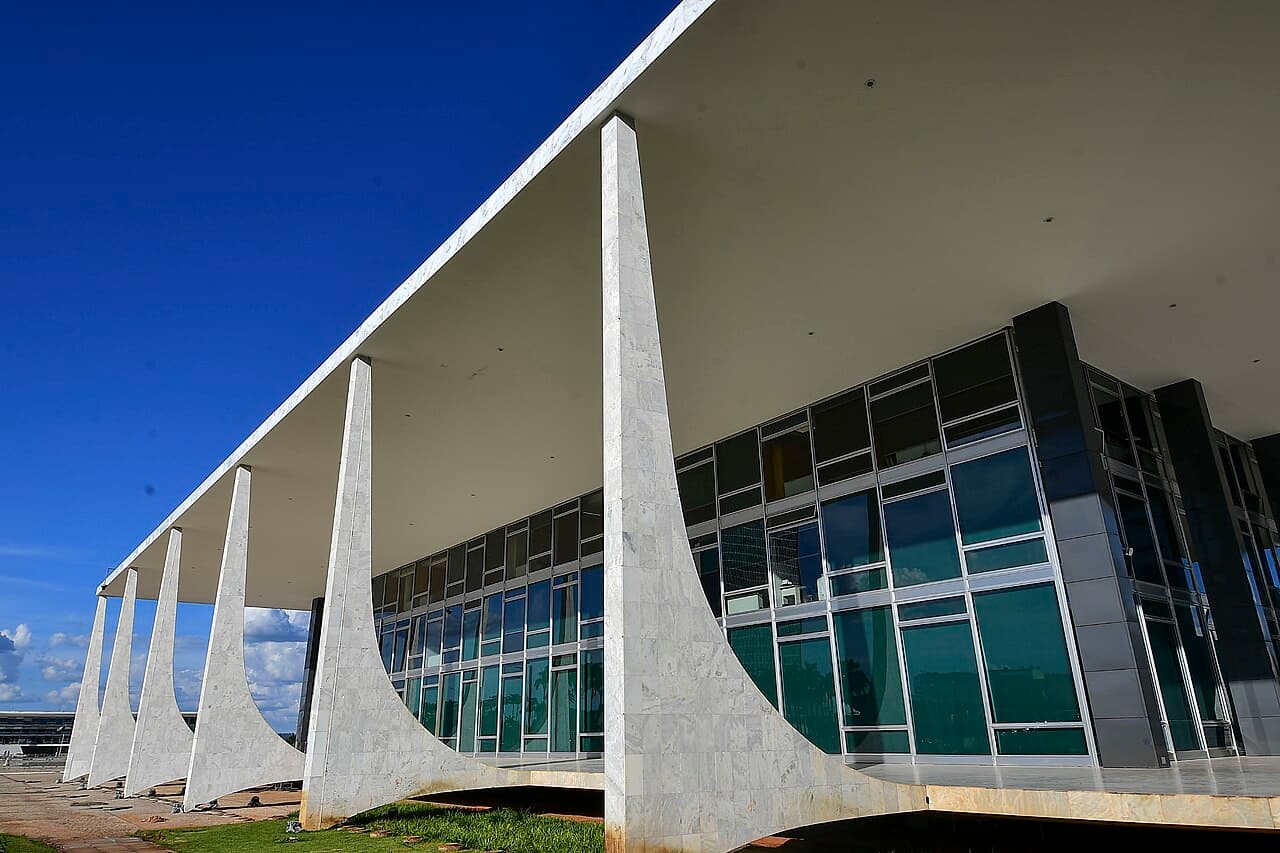
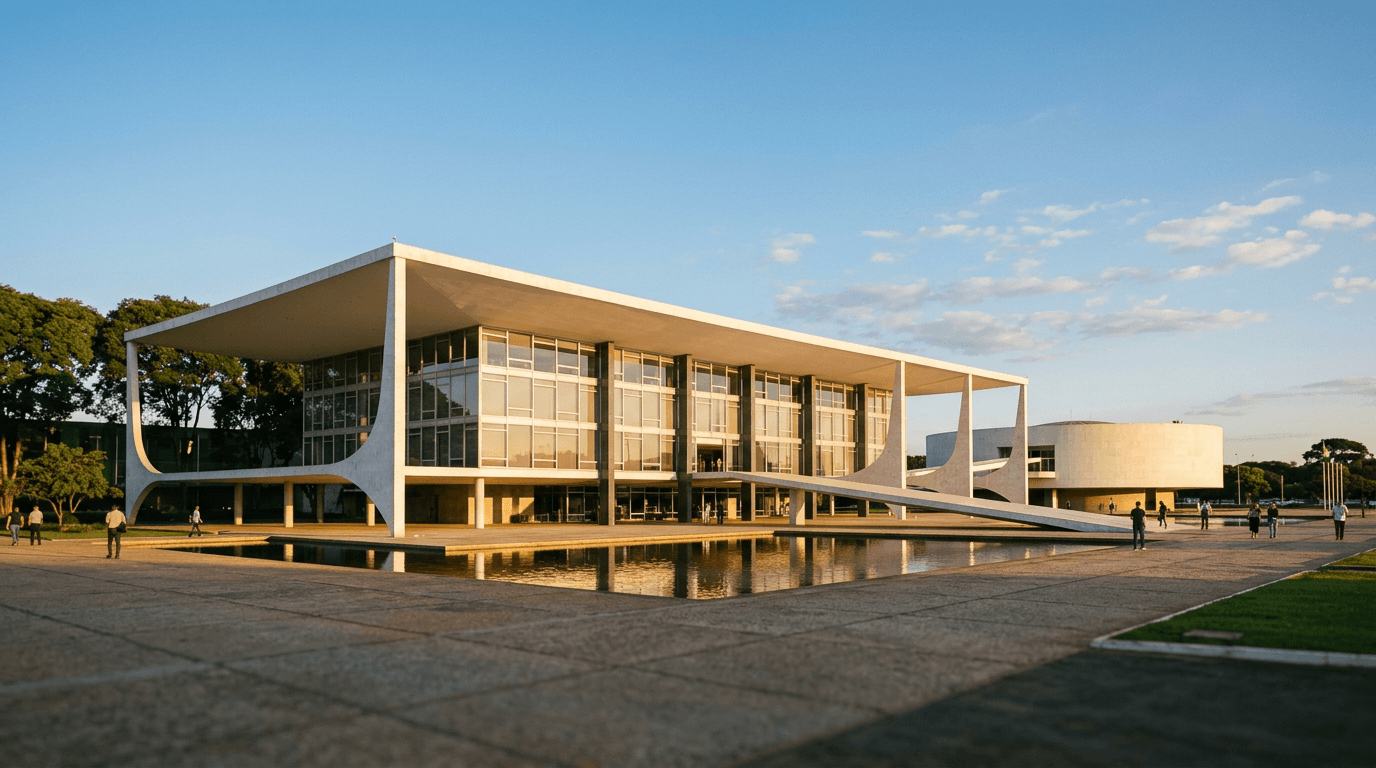
Public distrust in Brazil’s Supreme Court reaches a record 48% after the sprawling Banco Master scandal.


Public distrust in Brazil’s Supreme Court reaches a record 48% after the sprawling Banco Master scandal.
A new Quaest poll shows President Lula’s lead over Flávio Bolsonaro has shrunk to 5 points in Pará, signaling increased volatility in the 2026 Brazil presidential election.
New Datafolha poll shows major institutional distrust, with Brazil's Supreme Court seeing a record 47% disapproval.
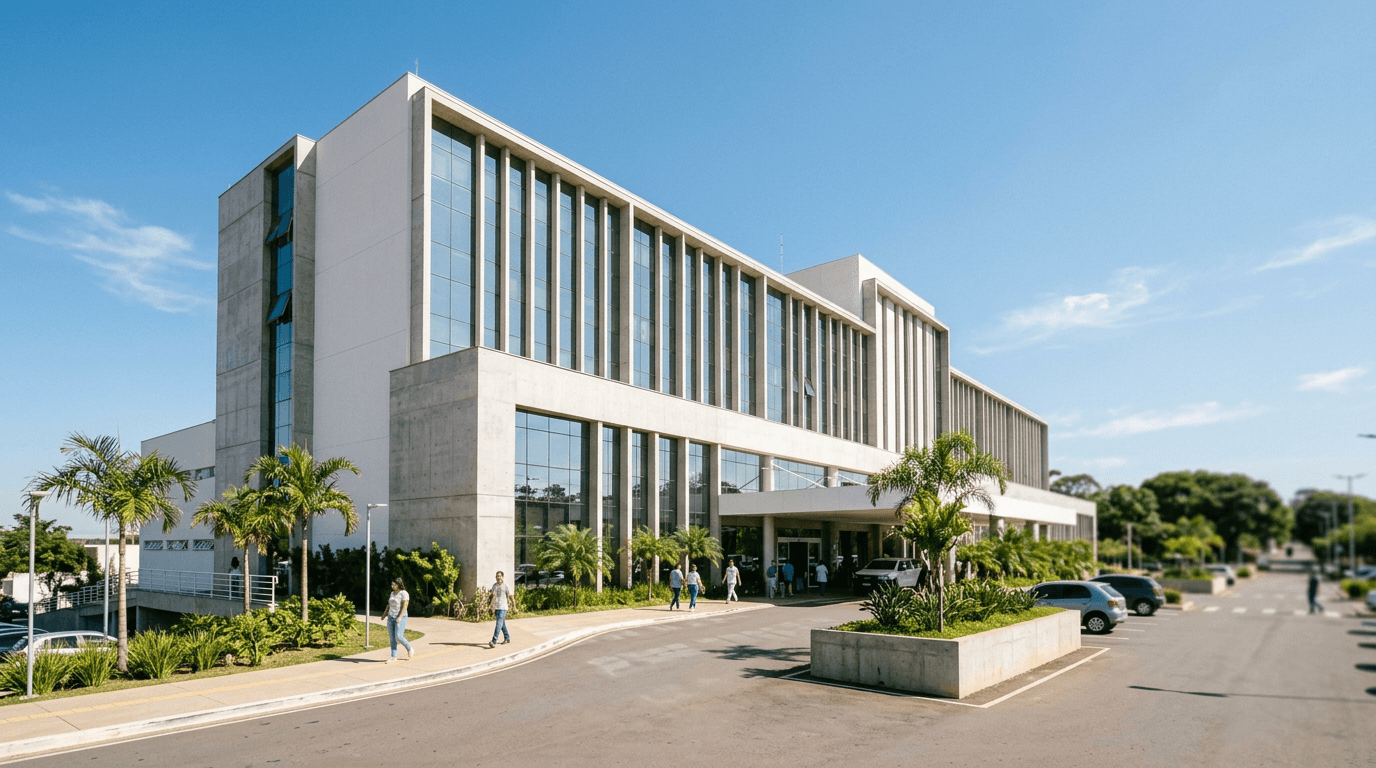
President Lula expands Brazil's Federal Institutes network, a key policy for technical education and social mobility, ahead of the election.
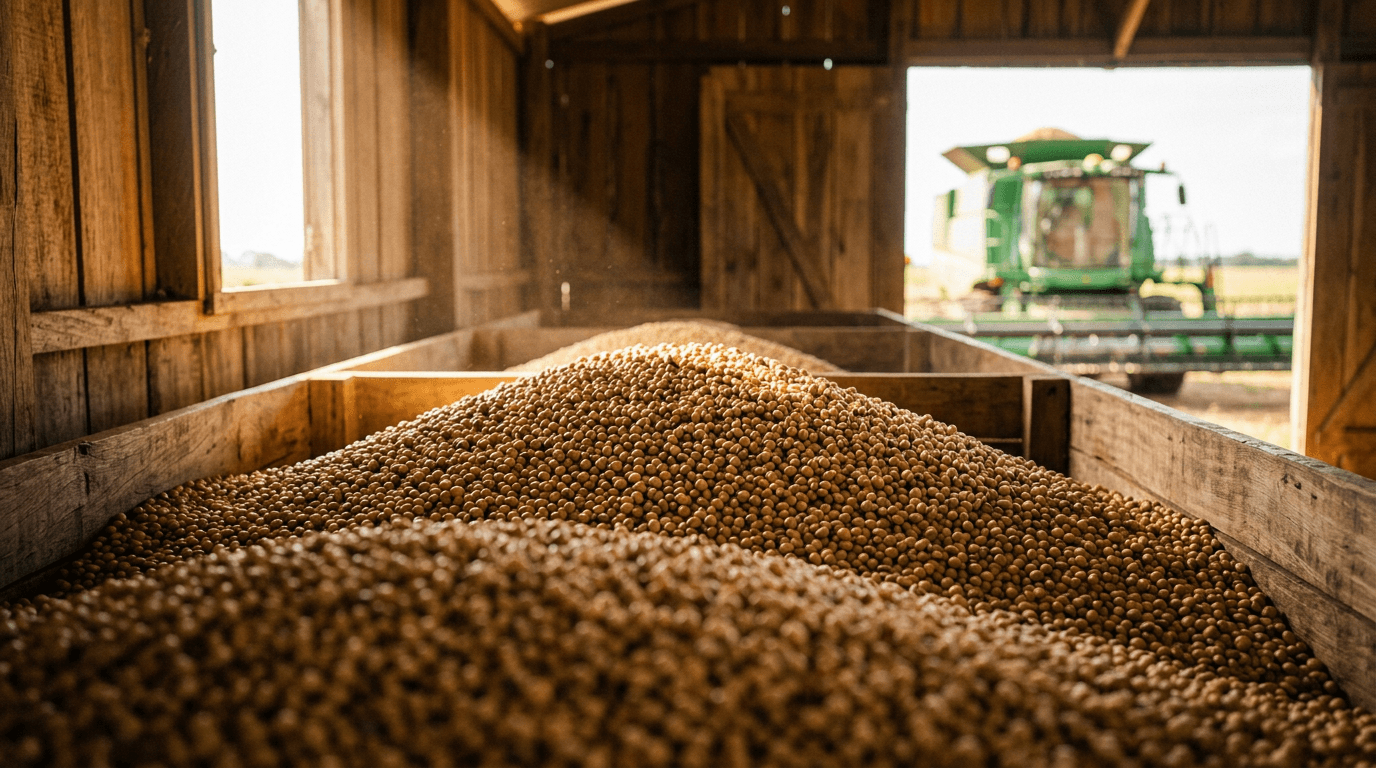
Large financial traders are holding a high net-long position in soybeans futures, a bullish bet that could signal price volatility for Brazil’s record-setting agriculture sector.
Afya stock fell over 5% as investors fear its merger with Yduqs could endanger its unique U.S. market access.
Hapvida's R$30.8 billion tax asset depends on management's ability to show sustained operational profit, according to a new UBS BB analysis.
Internal government disagreement on defining "low-emission" energy for a crucial tax break stalls the R$5.2 billion data center incentive.
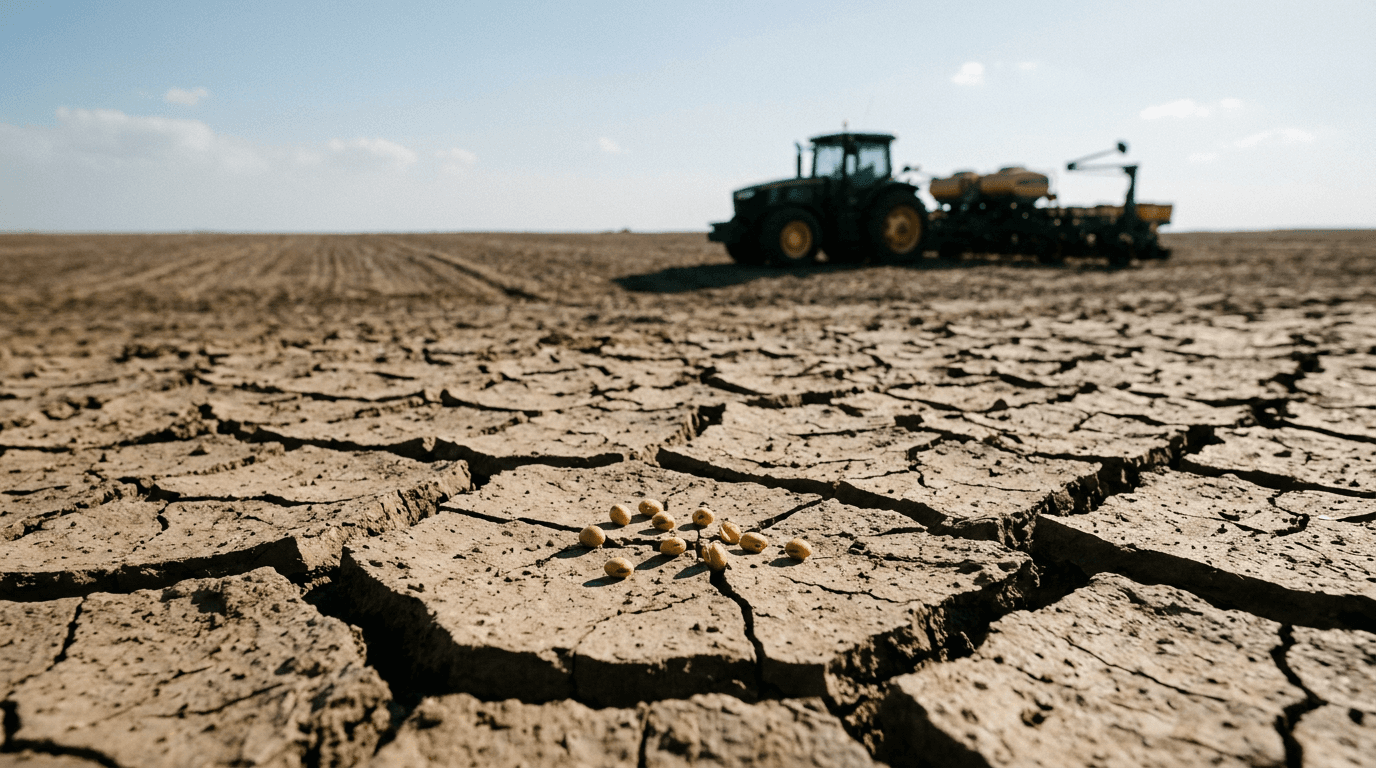
Water scarcity in major soybean regions like Sorriso and Luís Eduardo Magalhães risks delaying the new Brazil soybean planting cycle.
President Lula's decrees solidify tech platform liability for illegal content, giving Brazil's ANPD new powers to enforce moderation.
Brazil's President Lula bans a R$2.55 billion licensed online betting market overnight, citing a 'public health problem' and 'misery.'
Brazil's President Lula signed an MP immediately banning the $7bn online betting sector, reversing a regulatory framework less than two years old.
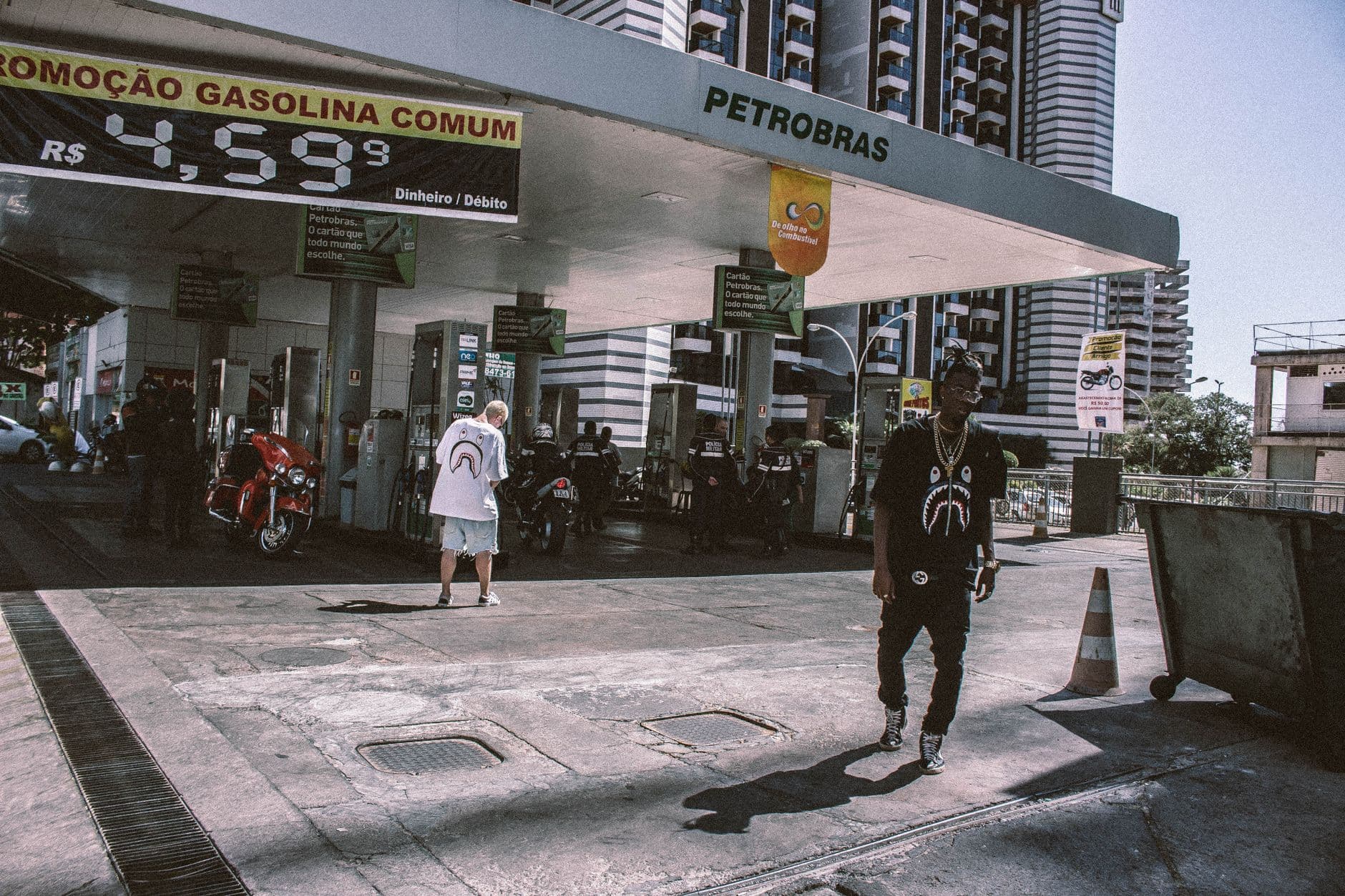
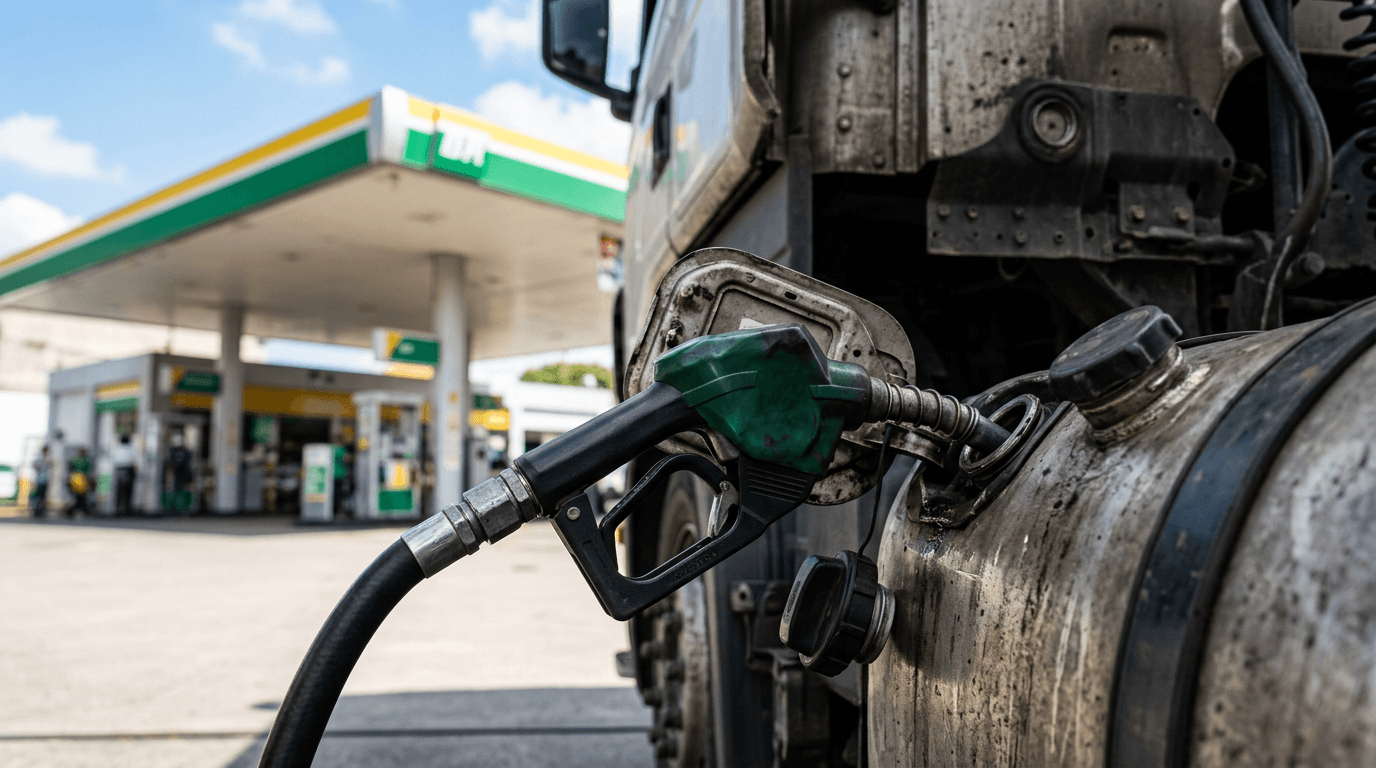
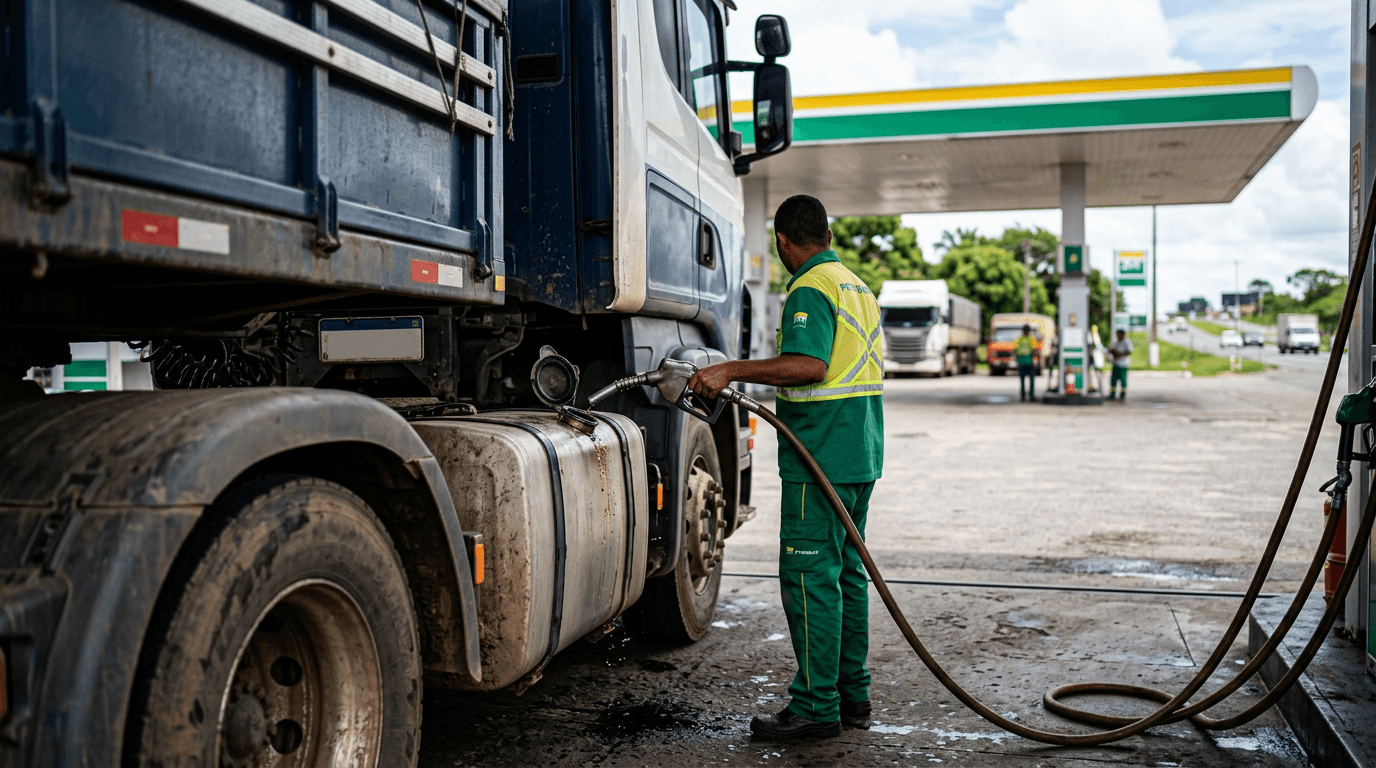
The latest payment to state-run oil giant Petrobras extends a significant fiscal commitment to stabilize domestic fuel prices ahead of a key election.
Brazil's President Lula promised fiscal stability to business leaders even as the country's public debt nears 82% of GDP, creating policy uncertainty.
The Lula administration used aggressive executive action on betting and diesel subsidies just before the October election, increasing policy uncertainty.
Brazil’s sweeping tax reform is moving into effect, requiring micro-companies to choose a new regime this month while large firms brace for 'Split Payment' cash flow impacts.
Fiscal instability from a contested crude export tax and environmental licensing uncertainty are now the biggest 'above the surface' risks for Brazil's E&P sector.
President Lula signs Provisional Measure banning sports betting, a move that takes effect immediately but faces a 120-day gauntlet in Congress.
Congress is advancing constitutional amendments to limit the STF's power, curbing monocratic decisions and special jurisdiction.
Cases of violence against women in politics filed with Brazil's Superior Electoral Court jumped from 15 in 2022 to 177 in 2026.
Brazil's government paid Petrobras R$2.3 billion for a diesel subsidy, highlighting fiscal risk and political intervention in fuel prices.
Brazilian President Lula signed an executive order banning online betting, costing the federal government billions and upending a key policy ahead of his tight re-election bid.
Lula’s re-election campaign claims rival Flávio Bolsonaro is 'Trump's candidate' who would surrender Brazil's natural resources.
President Lula signs an emergency decree immediately halting Brazil’s multi-billion dollar sports betting sector a week before the election.
Shares of Brazilian medical education giant AFYA fell 5.32% as its proposed merger with Yduqs raises investor concerns over its US listing.
New Brazilian law grants a government council veto power over foreign investment in sectors like lithium and nickel, creating legal uncertainty.
Goldman Sachs projects the USD/BRL exchange rate could swing from R$4.50 to over R$5.80, contingent on the new government’s commitment to fiscal discipline.
Markets watch Brazil's Congress as Lula's spending priorities undermine the government's fiscal framework credibility.
Days before the Brazil election, President Lula used his UN General Assembly address to decry foreign interference, targeting the US.
Brazil’s government extended a key R$ 2.12 per liter diesel subsidy for 30 days, a move to curb inflation and logistics costs before the October election.