
Brazil Extends R$ 2.12 Diesel Subsidy for 30 Days Ahead of Election
Brazil’s government extended a key R$ 2.12 per liter diesel subsidy for 30 days, a move to curb inflation and logistics costs before the October election.
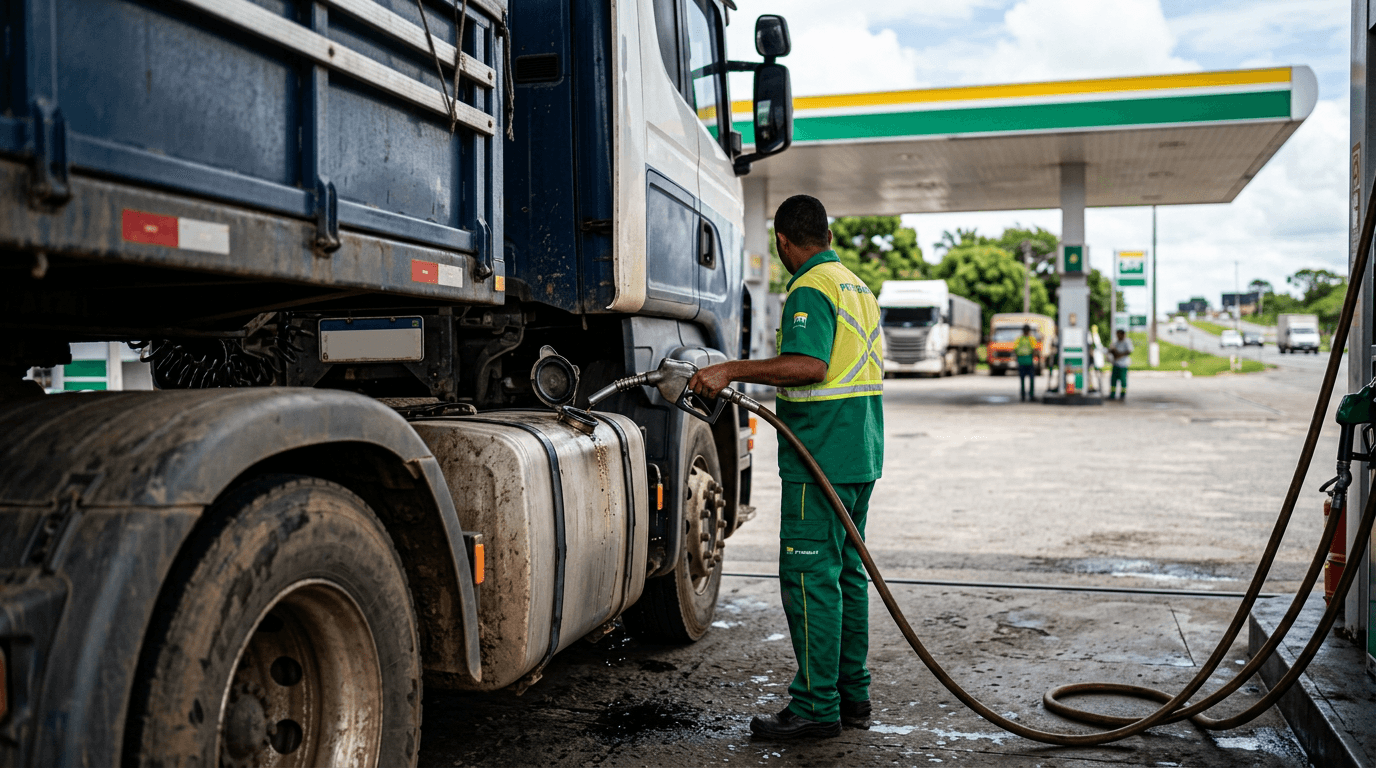
The Brazilian government has extended its R$ 2.12 per liter diesel subsidy for another 30 days, effective September 27, a decision that prevents an immediate spike in transportation costs just weeks before the country’s presidential election in October. The measure, announced by the administration of President Luiz Inácio Lula da Silva, aims to shield consumers and businesses from the impact of higher global crude prices, which the government officially attributes to ongoing volatility stemming from the Middle East conflict.
The political timing of the extension is sensitive, as diesel is the lifeblood of Brazil’s logistics sector, where virtually all domestic goods, from food to industrial supplies, move by truck. A price increase would feed directly into consumer inflation and risks upsetting the crucial trucking sector ahead of the Brazil election, where President Lula is seeking a fourth, non-consecutive term. Economic analysts have noted the subsidy carries a significant "electoral component," providing a short-term hedge against economic turbulence until voters head to the polls.
The R$ 2.12 per liter value is the result of a fiscal maneuver combining two separate measures to maintain the total benefit. The extension prevents the existing support from dropping sharply, which would have occurred as one of the earlier measures expired. The subsidy effectively neutralizes price increases applied by state-controlled Petrobras to its distributors, thereby maintaining stable prices at the pump for end consumers while allowing the company to operate closer to international market parity. The government's justification for the fiscal expense is to stabilize operating costs for the entire supply chain and preserve the productive sector from inflationary volatility caused by the Middle East conflict.
By extending the measure through late October, the government delays a difficult fiscal and economic decision until after the election's first round. The ongoing support for fuel prices has required substantial government spending, with accumulated subsidies for diesel, gasoline, and liquified petroleum gas (LPG) already totaling R$ 9.9 billion this year. When the new 30-day term expires, the Lula administration will be forced to either extend the subsidy further, find a new mechanism to curb fuel costs, or allow prices to adjust to the international market, risking an immediate shock to the economy.
What it touches
The decision to continue financing the diesel subsidy has a direct impact on Brazil's fiscal budget and the inflation outlook. The measure alleviates near-term pressure on logistics companies by stabilizing fuel costs, but it adds to the government’s overall spending commitments, raising questions for investors about the long-term sustainability of the fiscal framework and the future trajectory of administered prices.
Related coverage
Politics
Brazil’s Landmark Dual-VAT System Enters Critical Phase, Forcing Immediate Corporate Decisions
Published
Politics
Brazil Supreme Court Under Pressure: Proposals Target Individual Power, Special Jurisdiction
Published
Politics · PRO
Gender-Based Political Violence Cases Skyrocket 11-Fold at Brazil’s Electoral Court
Published