
Lula Bans Sports Betting Ahead of Election in Shock Policy Reversal, Imperiling R$5 Billion in Projected Tax Revenue
Brazilian President Lula signed an executive order banning online betting, costing the federal government billions and upending a key policy ahead of his tight re-election bid.
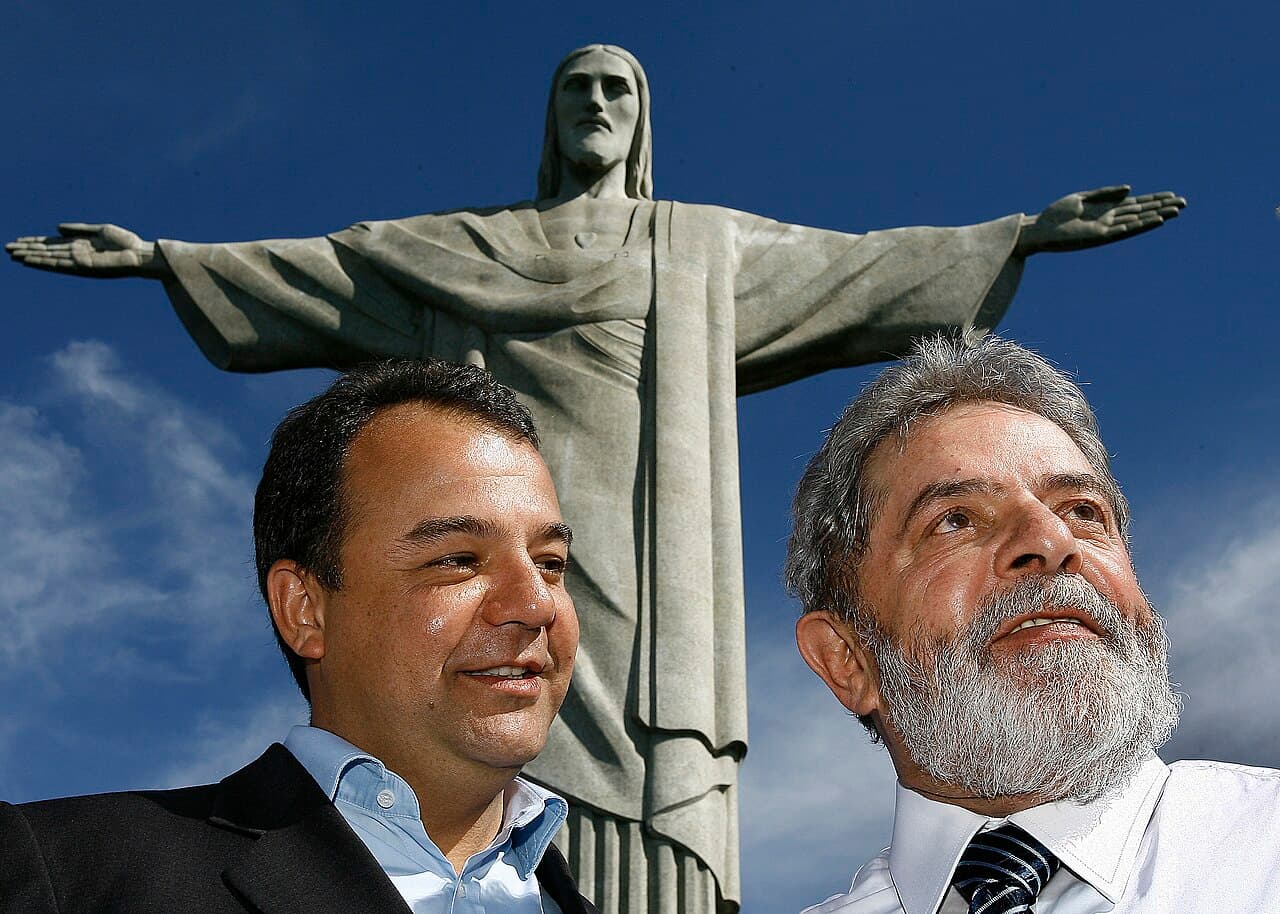
President Luiz Inácio Lula da Silva signed a provisional executive order on Friday to immediately ban fixed-odds sports betting and online casino operations across Brazil, less than two weeks before the first round of the presidential election in which he is seeking a fourth term. The sudden reversal of policy halts a rapidly growing, multi-billion-reais industry, threatening to blow a hole in federal finances and upend a political landscape already dominated by the tight race between Lula and his main challenger, right-wing Senator Flávio Bolsonaro. The move comes less than two years after the Lula administration signed the legislation that established the legal framework for the industry, which had just begun to generate significant revenue for the federal government.
The provisional measure, which takes immediate effect but must be approved by Brazil's Congress within 120 days to become permanent, prohibits the operation, offering, and advertising of online betting. Lula framed the ban as a necessary public health measure to combat what he called a “cancer” that has driven Brazilian families into debt and addiction, citing opinion polls showing strong voter opposition to the industry. The political timing is undeniable: the ban was announced as Lula stands in a virtual tie with Senator Bolsonaro—the son of former President Jair Bolsonaro—in polling for the October 4th vote. Senator Bolsonaro called the measure "populist, hypocritical and politically motivated," arguing it was a desperate, last-minute electoral maneuver.
The economic fallout is immediate and severe. The federal government stands to lose at least R$5 billion in projected tax revenue by the end of the year, according to internal government projections, as the new regulatory framework was poised to generate substantial income. Brazil's Finance Ministry estimates that households spend approximately R$60 billion ($11.57 billion) annually on online betting. Furthermore, the government had just granted 85 licenses to operators at a cost of R$30 million each—totaling over R$2.5 billion—which the companies now face losing without a refund, exposing the government to potential legal challenges. The ban is also a "heavy blow to Brazilian sports," according to powerhouse football club Flamengo, given that 13 of the country’s 20 first-division football clubs rely on online betting sites as their main shirt sponsors.
The controversy has deepened a political schism. The Workers' Party (PT) administration had initially regulated the sector after it exploded in popularity following legalization in 2018 under former President Michel Temer, with little oversight during the Jair Bolsonaro administration. The reversal suggests that Lula is prioritizing a high-stakes, populist electoral play over the fiscal stability that Finance Ministry officials and other governing party members had been championing. What happens next depends on Congress, which will be under intense pressure from both the betting lobby and the president's political allies to either uphold the ban or carve out a new regulatory path that preserves both the revenue and the jobs associated with the massive sports industry.
What it touches The sudden ban affects the entire online gambling and sports betting sector in Brazil, which had become one of the world's largest markets, sponsoring major Brazilian football clubs and leagues. The move creates an immediate regulatory crisis for the 85 licensed operators, many of them subsidiaries of international iGaming companies, by nullifying their operating licenses and the R$30 million license fee each paid.
Related coverage
Politics
Brazil’s Landmark Dual-VAT System Enters Critical Phase, Forcing Immediate Corporate Decisions
Published
Politics
Brazil Supreme Court Under Pressure: Proposals Target Individual Power, Special Jurisdiction
Published
Politics · PRO
Gender-Based Political Violence Cases Skyrocket 11-Fold at Brazil’s Electoral Court
Published