
Brazil Supreme Court Under Pressure: Proposals Target Individual Power, Special Jurisdiction
Congress is advancing constitutional amendments to limit the STF's power, curbing monocratic decisions and special jurisdiction.
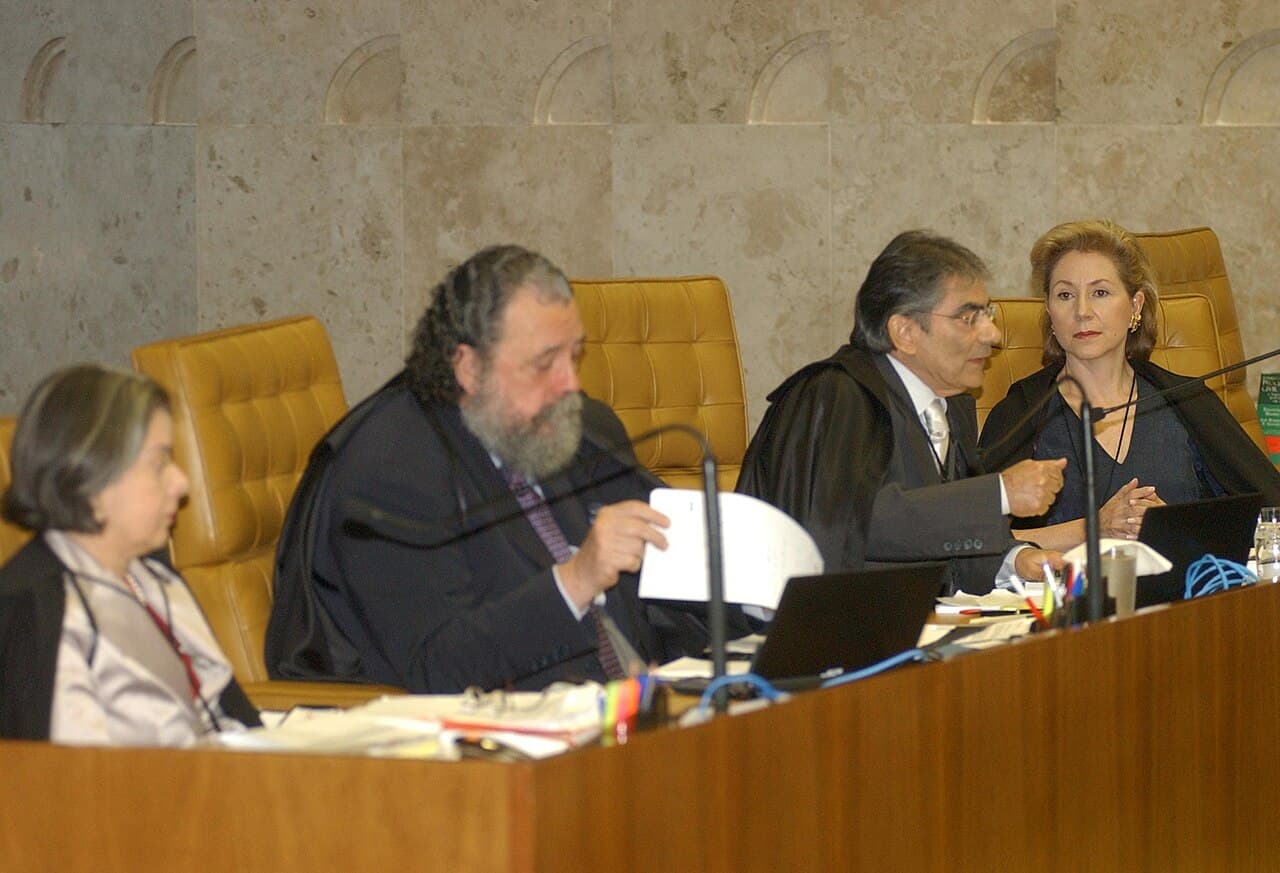
The highest court in Brazil, the Supreme Federal Court (STF), is facing its most significant institutional challenge in years as a political push in the National Congress advances proposals to severely limit its judicial power. Fueling the debate is a widespread feeling among lawmakers and the public that the court has exceeded its constitutional mandate, particularly through single-judge rulings and high-profile investigations that have put Brazil's judiciary under pressure. The central proposals—which some specialists warn are necessary to resolve a crisis of legitimacy—focus on curbing individual judicial authority and reducing the scope of the court’s special jurisdiction for high-ranking politicians.
The most immediate focus of the reform efforts is limiting the use of monocratic decisions—rulings made by a single Justice, often in the form of a preliminary injunction, that can freeze legislation or alter the course of major investigations. Critics argue this practice, sometimes referred to as "ministrocracia," allows one Justice to circumvent the court’s 11-member collegiate body, creating legal uncertainty and giving undue power to individuals. The Senate has already approved a constitutional amendment, PEC 8/2021, that would prevent the STF from issuing preliminary injunctions without review by at least six of the court’s members, a measure now awaiting a vote in the Chamber of Deputies.
Underpinning the legislative action is the political tension surrounding key STF Justices, most notably Alexandre de Moraes, who has led politically charged probes, including the investigation into "fake news" and the January 8, 2023, attacks on government buildings. These actions, while often seen by supporters as necessary to protect Brazil’s democracy, have drawn intense criticism from conservatives and others who view them as judicial overreach and a politicization of the court. The institutional conflict has been underscored by reports of a surging number of constitutional amendment proposals—some estimates suggest over 200—pending in Congress aimed at reshaping the court and restricting its powers.
A second major proposal in the reform debate targets foro privilegiado, or special jurisdiction, which grants top government officials—including the President, members of Congress, and the STF Justices themselves—the right to be tried only by higher courts. Reform advocates seek to severely restrict this privilege, arguing that it has shielded politicians from accountability and contributed to the court’s backlog. For foreign observers and investors, the intensifying conflict between the Brazilian Congress and the Supreme Court is not just institutional drama; it speaks directly to the rule of law and legal stability, which are key components of Brazil’s country risk premium. A court perceived as less politicized and more structurally sound could ultimately lower this premium, but the current uncertainty around the outcome of the reforms increases institutional volatility.
What to watch next is the momentum of the constitutional amendment regarding monocratic decisions as it heads to the Chamber of Deputies, which will determine if the legislature has the political will and the necessary two-thirds majority to advance a landmark check on the judiciary’s individual power.
Related coverage
Politics
Brazil’s Landmark Dual-VAT System Enters Critical Phase, Forcing Immediate Corporate Decisions
Published
Politics · PRO
Gender-Based Political Violence Cases Skyrocket 11-Fold at Brazil’s Electoral Court
Published
Politics
Lula Bans Sports Betting Ahead of Election in Shock Policy Reversal, Imperiling R$5 Billion in Projected Tax Revenue
Published