
Lula Uses UN Stage to Stress Sovereignty, Warn Against Foreign Election Interference
Days before the Brazil election, President Lula used his UN General Assembly address to decry foreign interference, targeting the US.
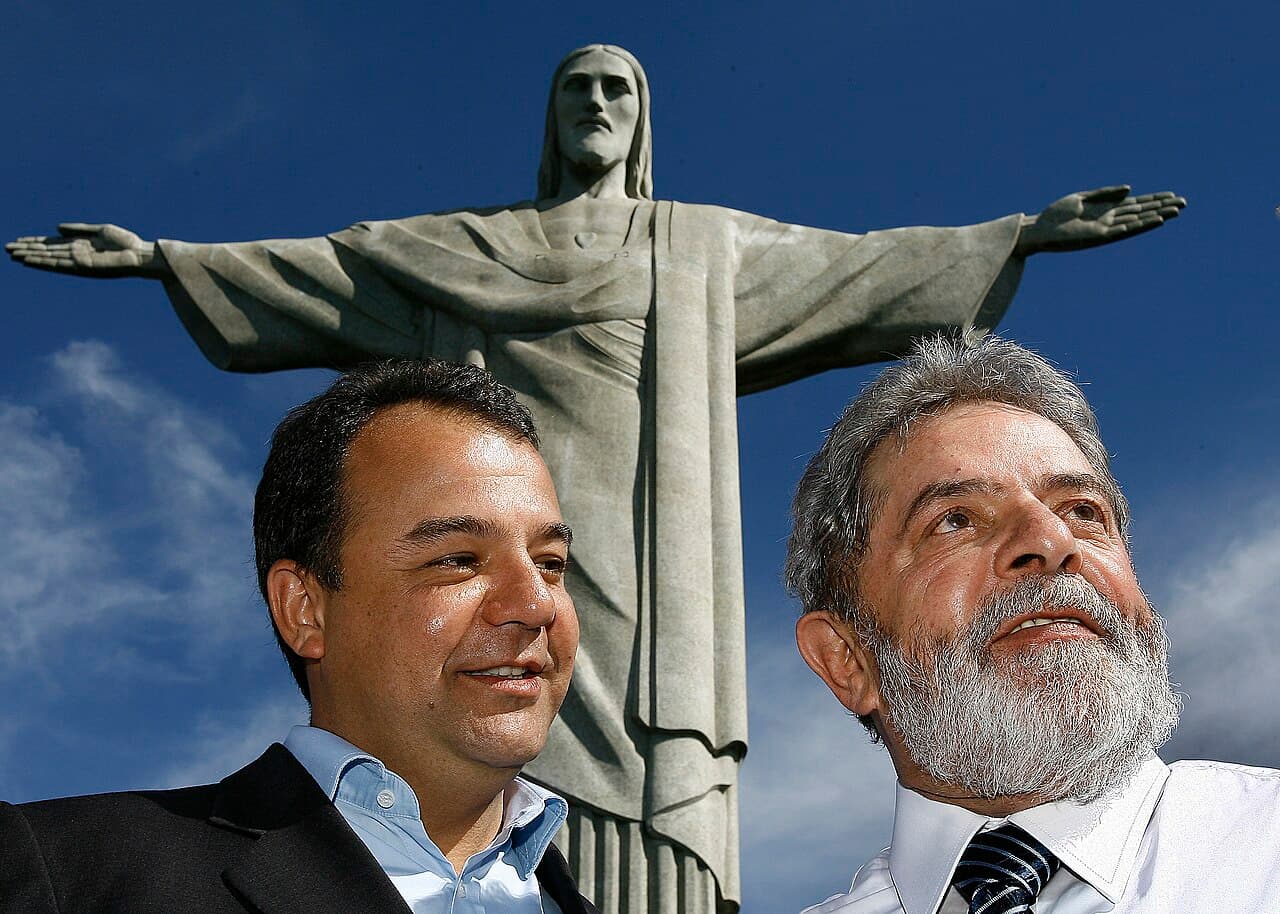
Brazilian President Luiz Inácio Lula da Silva used his address to the United Nations General Assembly on September 22, 2026, to launch a sharp defense of national sovereignty and warn against foreign interference, a direct political move in the final stretch of the country's tightly contested presidential election. Speaking just weeks before the first round vote on October 4, the veteran leftist leader declared that Brazil would not allow domestic or foreign actors to undermine the popular will, asserting to the world body: "Brazilian democracy belongs to Brazilians. Brazil will continue to be a sovereign country."
The remarks were delivered amid intensifying tensions between Brazil and the United States, primarily over new U.S. tariffs imposed earlier this year. The Trump administration has implemented multiple rounds of duties on Brazilian goods, with some U.S. political figures openly linking the economic pressure to a "witch hunt" conviction against former President Jair Bolsonaro, whose son, Senator Flávio Bolsonaro, is Lula's main rival in the Brazil election 2026 polls. By framing the tariff dispute as an attack on national autonomy, Lula is capitalizing on a core campaign theme that has previously boosted his approval ratings against what many Brazilians perceive as politically motivated economic pressure from Washington.
Lula, who is seeking a fourth non-consecutive presidential term, directly addressed what he called the "resurgence of hegemonic ambitions" and "external interference in electoral processes" across Latin America. His message, delivered from the high-profile platform of the UN General Assembly, was a strategic effort to mobilize nationalist sentiment ahead of the Brazil election date. His campaign has consistently argued that the U.S. is attempting to tilt the balance in favor of Flávio Bolsonaro, who promises closer alignment with Washington, while Lula positions himself as the defender of an independent and non-aligned foreign policy.
The sovereignty argument is politically potent in Brazil, which has long been sensitive to external influence in its domestic affairs. The incumbent leader’s comments, which included the forceful statement that "Brazil does not belong in anyone's backyard," set a confrontational tone for the final campaign debate, shifting the focus from domestic concerns like the economy and public security onto a high-stakes question of national self-determination. The first-round vote on October 4 will determine if Lula’s strategy successfully converts this diplomatic sparring into a decisive electoral advantage in the face of a challenge from the right.
Related coverage
Politics
Brazil’s Landmark Dual-VAT System Enters Critical Phase, Forcing Immediate Corporate Decisions
Published
Politics
Brazil Supreme Court Under Pressure: Proposals Target Individual Power, Special Jurisdiction
Published
Politics · PRO
Gender-Based Political Violence Cases Skyrocket 11-Fold at Brazil’s Electoral Court
Published