
Global Speculators Maintain Massive Net-Long Bet on Soybean Prices, Signaling Volatility for Brazil Agriculture
Large financial traders are holding a high net-long position in soybeans futures, a bullish bet that could signal price volatility for Brazil’s record-setting agriculture sector.
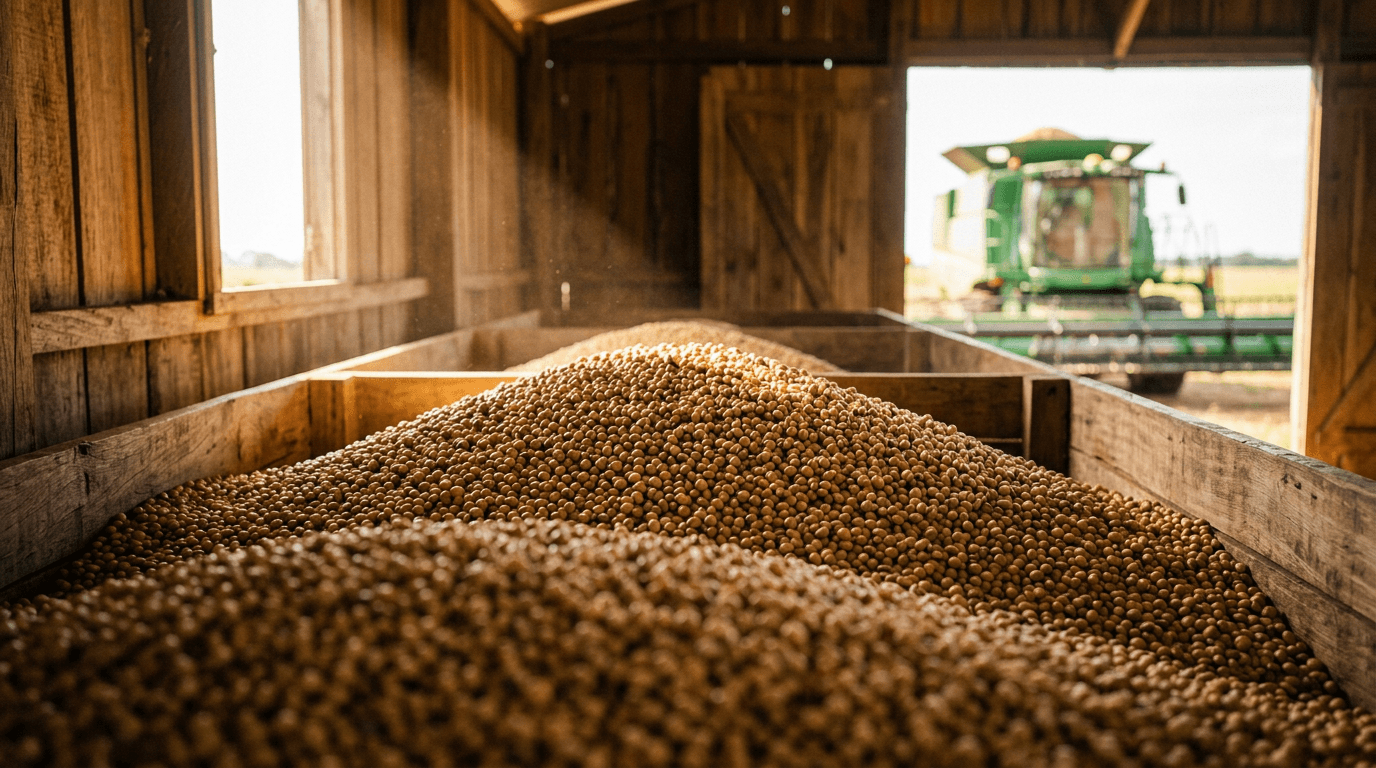
Large speculative financial traders, often hedge funds and money managers, are holding a significant wager on the future price of soybeans, with a massive net-long position that signals conviction in a coming rise in the price of the commodity central to Brazil’s economy. Data from the U.S. Commodity Futures Trading Commission (CFTC) shows that these “non-commercial” traders held 238,629 long contracts versus only 30,268 short contracts, leaving a net-long position exceeding 208,000 contracts on the Chicago Board of Trade. This aggressive positioning represents a substantial financial bet that the world’s most important oilseed—and the cornerstone of Brazil’s agribusiness—is set for a price appreciation.
The scale of the positioning is notable because Brazil is the world's leading producer and exporter of soybeans, a status achieved through massive production concentrated in states like Mato Grosso and Paraná. Brazilian farmers have consistently delivered record or near-record harvests, with official projections pointing toward continued strong output through the 2025/2026 season, largely driven by persistent demand from China. A record-setting supply typically puts downward pressure on prices, making the current financial expectation for a significant price rise—implied by the large net-long—a potential contrarian signal of market tension.
For the average Brazilian, the volatility signaled by extreme speculative positioning translates into uncertainty for the massive agribusiness sector, which underpins the country’s trade balance and jobs in the Center-West region. The non-commercial net-long reflects a market belief that something—likely a weather anomaly like El Niño affecting the next planting cycle or unexpected strength in global demand—will tighten supply and increase prices. If the funds are correct, Brazilian producers could see stronger profits, but if prices reverse, the speculative overhang could exacerbate any coming sell-off, impacting the income of thousands of farmers who rely on favorable prices to cover high operating costs.
The next critical event for the market will be the progress of the Brazilian planting season and the ongoing weather assessments, particularly for the key producing regions, as the current positioning suggests that traders are pricing in potential risks to next year’s output. The weekly CFTC reports will continue to be closely watched to see if these large funds begin to pare back their bullish bets, which could signal a moderation in the expected price strength.
What it touches: The price of soybeans is a major input cost for meat producers like the Brazil-headquartered global giant JBS, which uses soy as feed for its livestock operations. Conversely, higher prices would benefit major farmland and agribusiness firms with exposure to soybean revenues, such as Adecoagro S.A., which operates large agricultural holdings across South America.
Related coverage
Markets
Massive 208,361-Contract Bet on Soybeans Signals Bullish Sentiment for Brazil’s Agribusiness
Published
Markets · PRO
Lula Tightens Grip on Betting: Crackdown on Unauthorized Sites Marks Sharp Policy Shift
Published
Markets
Lula Signs Total Ban on Sports Betting, Citing ‘Social Crisis’ and ‘Cancer’
Published