Vale Beats Q2 Consensus with Highest Iron Ore Output Since 2018
Vale (VALE) reported Q2 2026 iron ore production of 84.3 million metric tons, beating analyst consensus and marking its highest Q2 output since 2018.


Vale (VALE) reported Q2 2026 iron ore production of 84.3 million metric tons, beating analyst consensus and marking its highest Q2 output since 2018.
Brazil's agricultural machinery sales are projected to contract up to 20% in 2026 as high Selic rates and tight crop margins limit capital expenditure.
Brazil's Finance Ministry raised its 2026 inflation forecast to 5.1%, exceeding the central bank's target ceiling and threatening to stall the Selic rate-cut cycle.
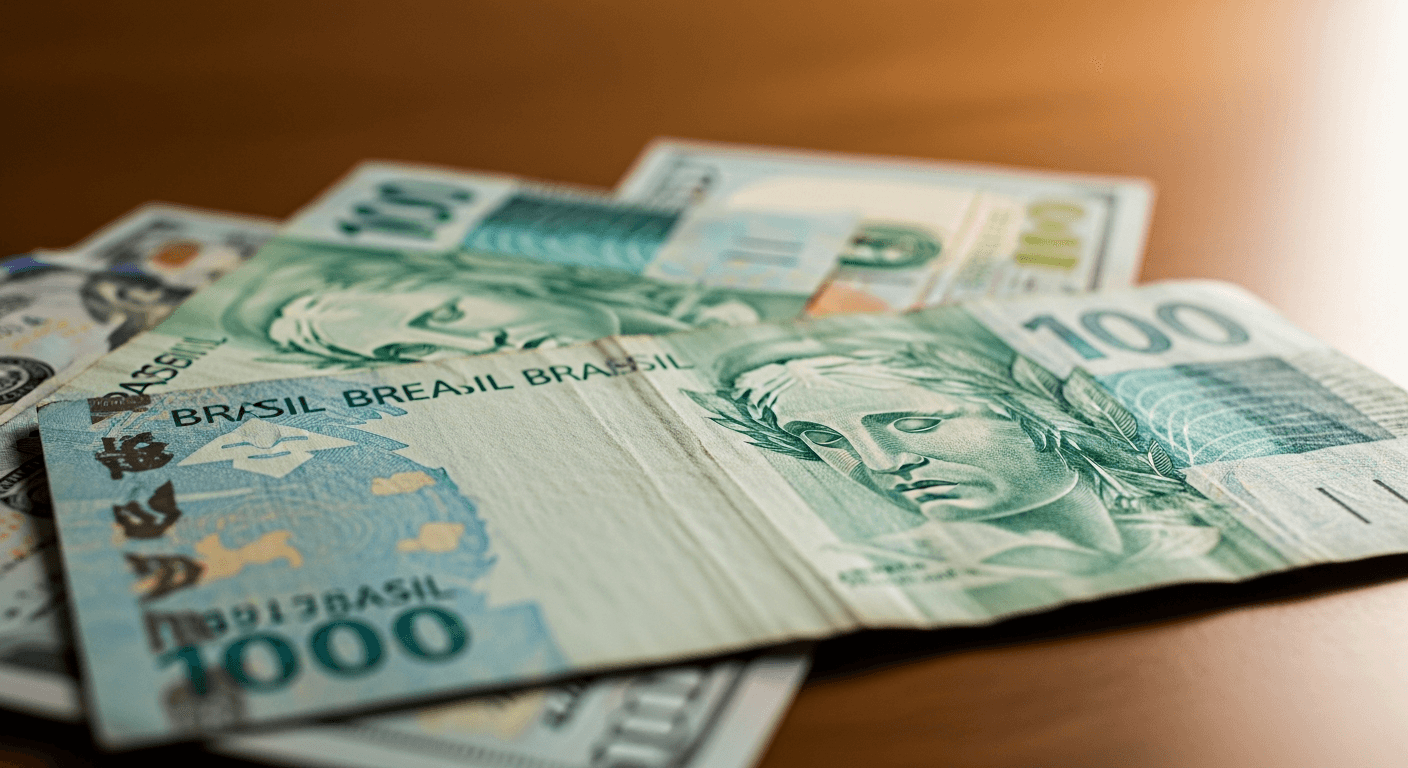
The USD/BRL exchange rate rose to 5.0891 as a 25% US import surcharge on Brazilian goods went into effect, threatening Brazil's record trade surplus.
A secondary U.S. forced labor probe threatens a stacked 37.5% tariff on Brazil, accelerating trade diversion to China and hitting Brazilian ADRs.
New 25% U.S. Section 301 tariffs on Brazilian goods take effect, targeting $15 billion in exports while Brazil holds off on immediate retaliation.
Brazil's Fiagro investor base hit a historic record of 600,000 in June 2026, driven by strong retail demand for agribusiness yields despite high interest rates.
Tightening cattle supplies push Brazil's live cattle physical index and B3 futures to record nominal highs for July, signaling a cyclical turn.
Brazilian telecom Unifique (FIQE3) approves a R$30 million JCP distribution, offering defensive yields to investors amid high local interest rates.
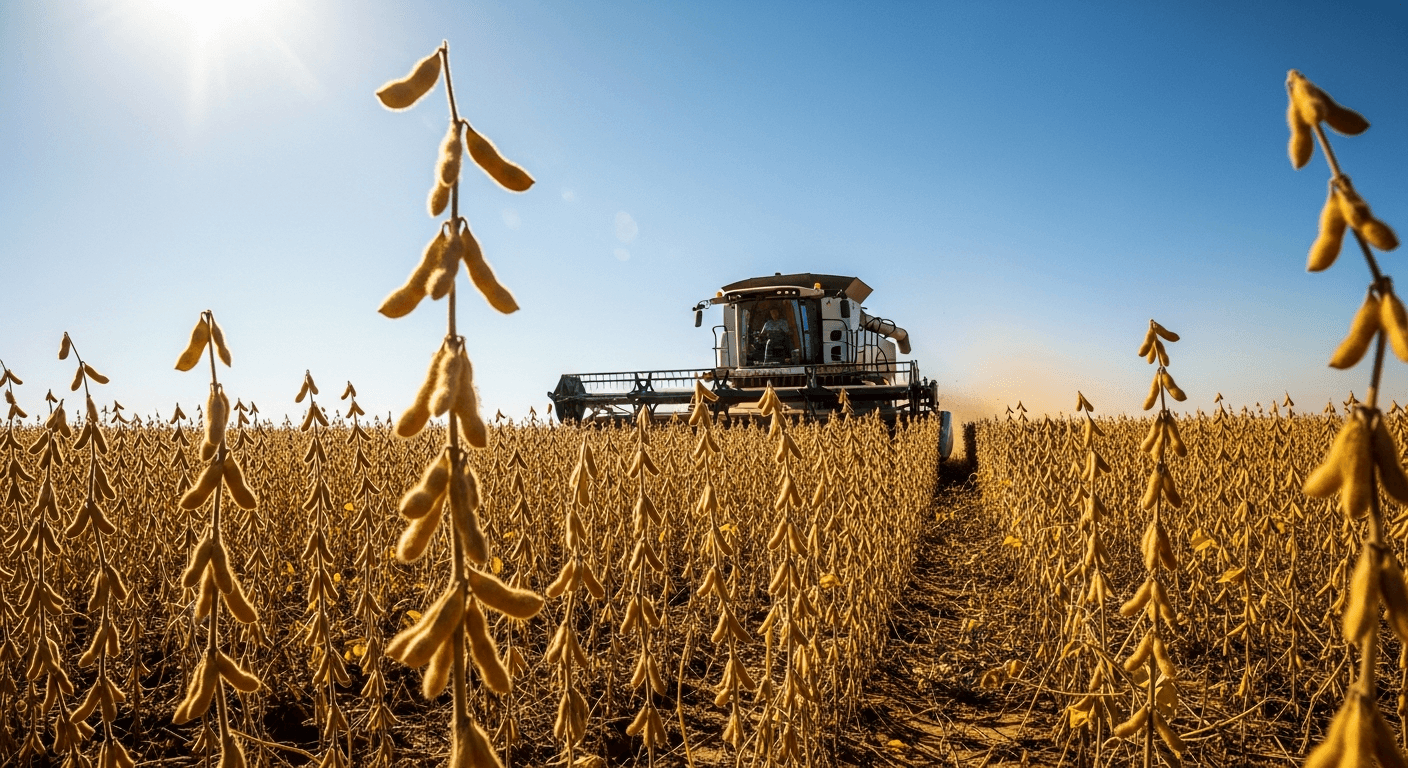
A persistent dry spell in key Brazilian soy-producing regions like Sorriso and Rio Verde is raising crop-stress risks and drawing investor attention.
The Banco Central do Brasil (BCB) has expanded access to foreign currency accounts, simplifying cross-border transactions and lowering costs for global investors.
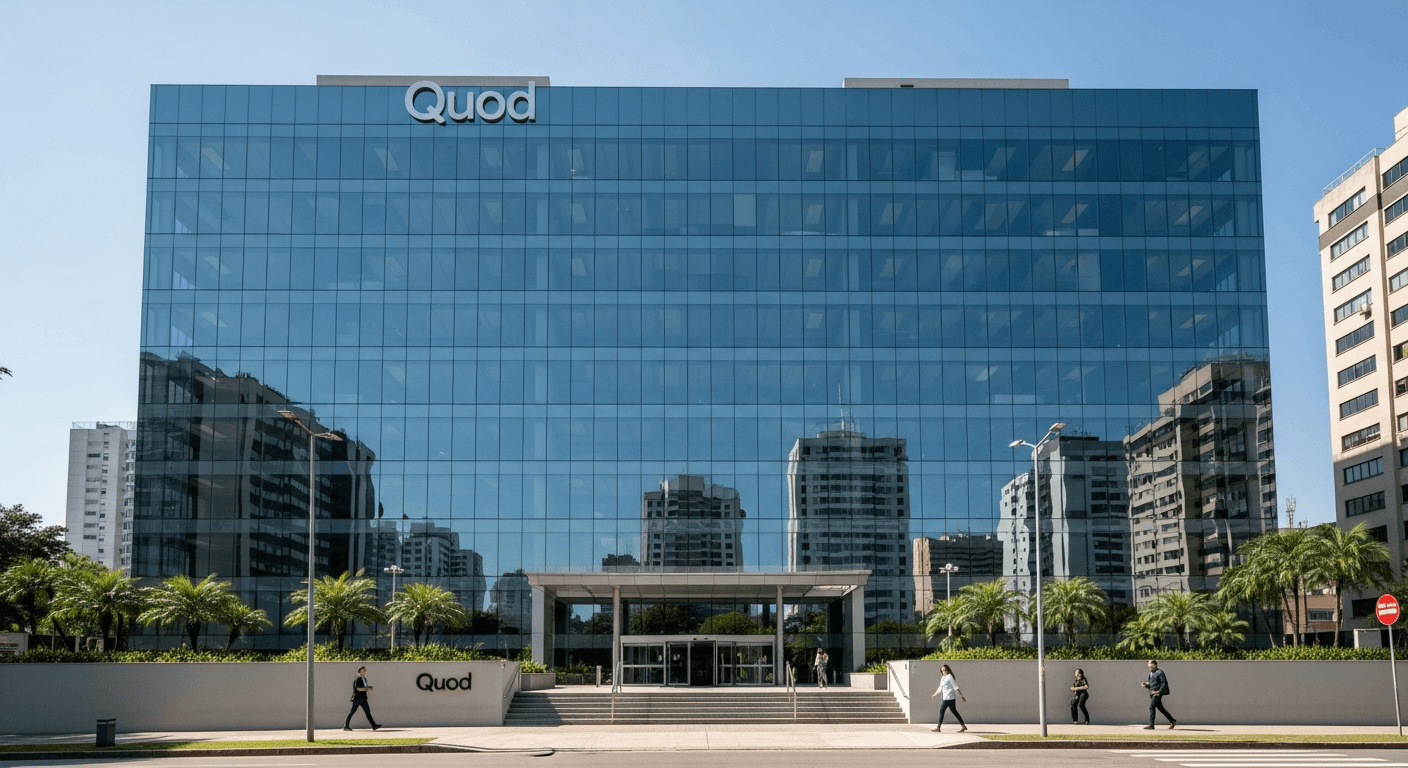
Brazilian credit intelligence firm Quod has laid off approximately 10% of its workforce following missed 2026 revenue targets and contract losses.
The EU will not ease its September 3, 2026, ban on Brazilian meat over antimicrobial rules, forcing major exporters to rapidly adjust global supply chains.
JBS S.A. is raising R$400 million through tax-exempt infrastructure debentures to fund its Biopower biodiesel expansion and Port of Itajaí terminal.
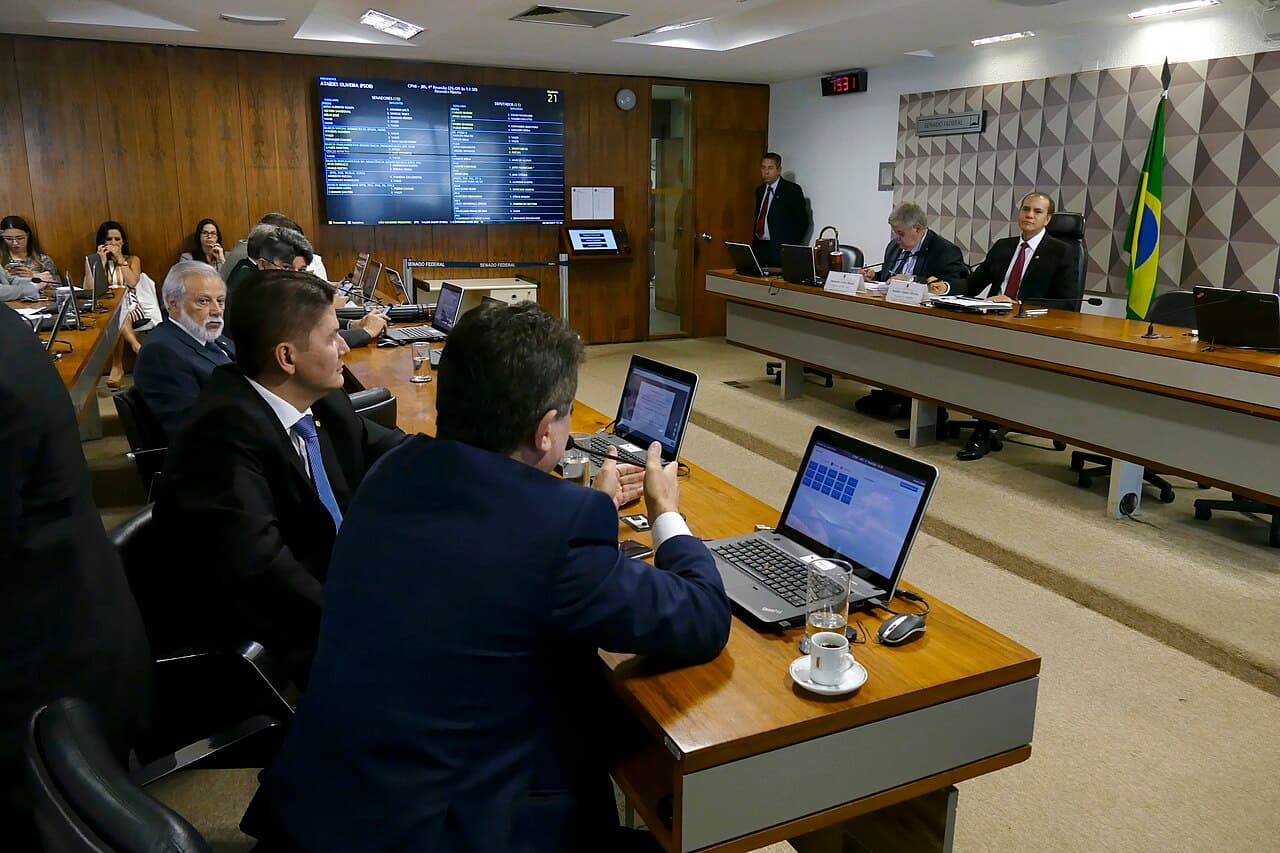
Zetta's call for institutional proximity with banking federation Febraban marks a strategic shift that could ease regulatory friction for major Brazilian financial stocks.
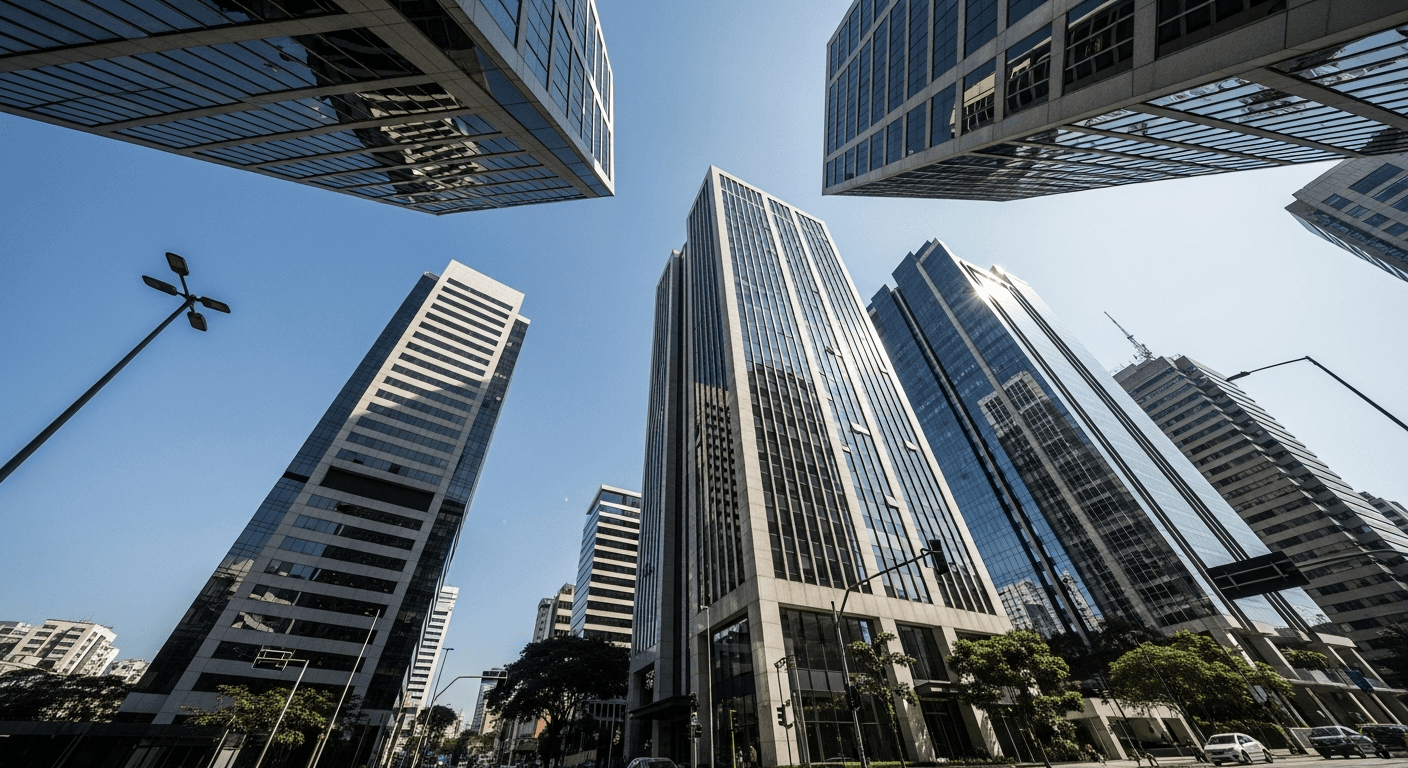
High-end office vacancy in São Paulo fell to 14.3% in Q2 2026, boosting corporate real estate funds (FIIs) as rents rose 14% year-on-year.
New 25% US Section 301 tariffs on Brazilian goods take effect today, but strategic carve-outs for beef and coffee protect major agricultural exporters.
The US has implemented a 25% tariff on Brazilian imports under Section 301, testing the Brazilian real forecast and foreign exchange inflows.
Trump delays generic drug tariffs to 2028 under Section 232, giving global pharma firms a two-year window to reshore supply chains before a 100% duty hits.
US imposes 25% Section 301 tariffs on $7.4B of Brazilian exports, triggering Brazil's Reciprocity Law and BNDES fiscal relief under Plano Brasil Soberano.
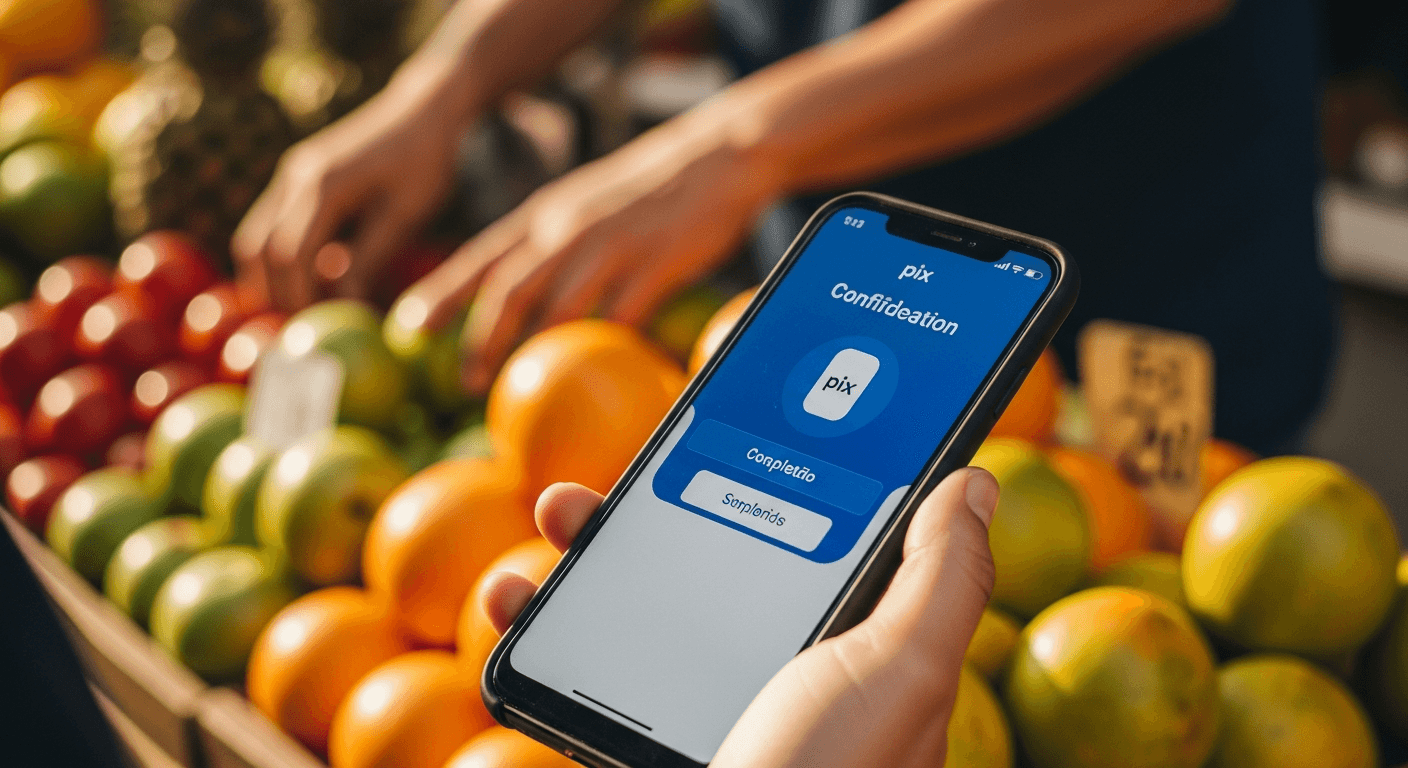
Brazil's Pix payment system faces US tariff pressure but continues its massive expansion, acting as a global fintech blueprint and a key bridge for crypto.
A secondary US forced labor probe could stack an additional 12.5% tariff on top of the newly enacted 25% duty, threatening Brazilian exporter margins.
The U.S. implements a 25% Section 301 tariff on Brazilian imports, exempting key commodities, as the Ibovespa today edges down amid Middle East tensions.
A July 2026 Quaest poll shows Lula leading Flavio Bolsonaro 45% to 37%, reducing political transition risks for investors in Brazil ETFs and B3 stocks.
Big speculators hold net-long soybean positions, signaling potential price moves as the Brazil stock market today registers a slight decline.
Brazilian cancer-care provider Oncoclinicas files for out-of-court restructuring to reprofile R$5.1 billion in debt, opening high-yield distressed opportunities.
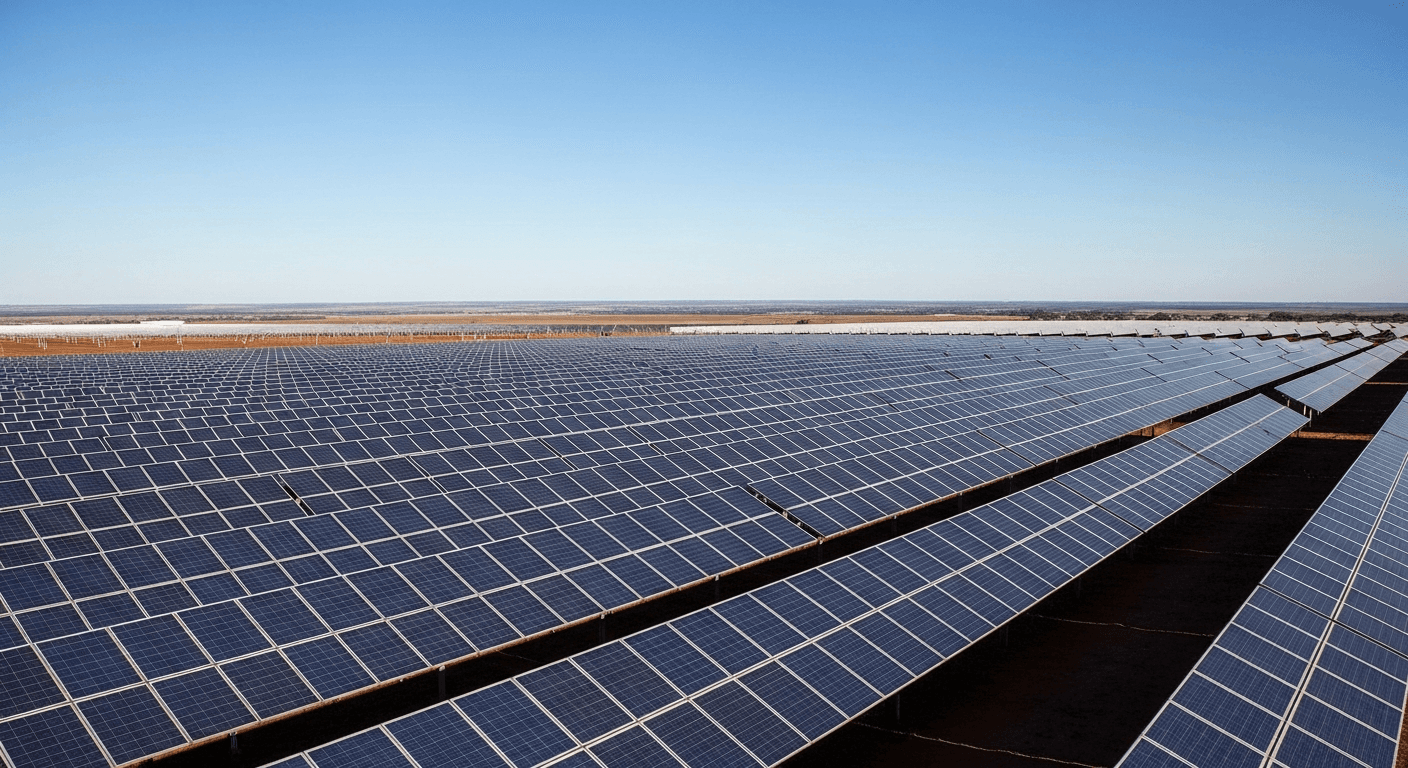
Brazil's solar energy surge boosts real estate funds like SNEL11, which is expanding its distributed generation portfolio across high-growth regions.
Brazilian real estate receivables fund EXES11 approves a R$ 0.13 per share dividend, yielding 1.35% for the month amid broader B3 stock market movements.
Brazilian real estate fund HGBS11 has approved its 12th share issuance, aiming to raise up to R$ 307.5 million exclusively for professional investors.
Brazil's real is cushioned by $17.78 billion in H1 foreign exchange inflows and high Selic rates, even as the 2026 inflation forecast rises to 5.1%.