
Unifique Declares JCP Payout as Q2 Earnings Season Begins
Brazilian telecom Unifique (FIQE3) approves a R$30 million JCP distribution, offering defensive yields to investors amid high local interest rates.
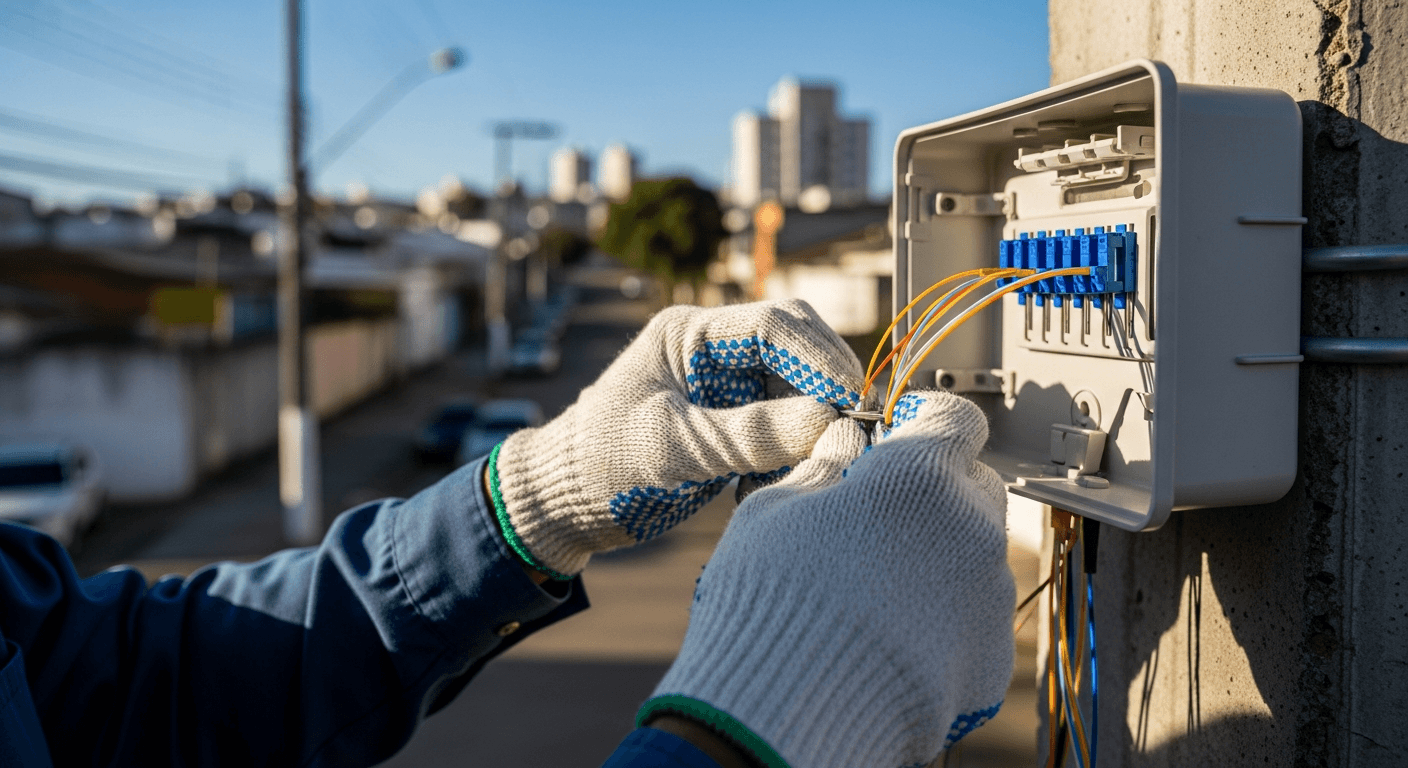
Brazilian small-cap telecommunications provider Unifique (FIQE3) has approved a new distribution of interest on equity (JCP), signaling robust cash-flow resilience just as the second-quarter corporate earnings cycle gets underway. The company's board authorized a gross payout of R$30 million, which translates to R$0.0770 per share. Shareholders registered by the end of the session on July 24, 2026, will be eligible for the payment, with the stock trading ex-dividend on the B3 exchange starting July 27, 2026. The single-installment payout is scheduled for August 5, 2026.
This proactive capital distribution comes at a critical time for those looking to invest in Brazil. The domestic telecom sector has faced persistent headwinds from elevated local borrowing costs, which have pressured growth-oriented small caps. By delivering immediate cash yields, Unifique is positioning itself as an attractive defensive play for investors navigating a volatile macroeconomic landscape. The company's upcoming Q2 2026 earnings release, scheduled for August 12, is expected to provide further clarity on how its fiber-optic and mobile infrastructure investments are performing under these tight monetary conditions.
The announcement did little to disrupt the broader Brazil stock market today, which remained highly consolidated. The benchmark Ibovespa today edged down slightly by 0.03% to 173,325.66 points. Among heavily weighted B3 stocks, state-run oil giant Petrobras (PETR4) rose 1.24% to R$41.66, mining major Vale (VALE3) gained 0.61% to R$72.37, and financial heavyweight Itaú Unibanco (ITUB4) ticked up 0.54% to R$42.53. Against this backdrop of flat index performance, Unifique’s consistent shareholder returns highlight the selective opportunities available within the Brazilian small-cap space.