
Nvidia Brasil Stock Loss Exceeds Entire B3 Market Value After CEO Resigns
Nvidia's $1.08 trillion market cap drop after CEO Jensen Huang's resignation exceeds the value of Brazil's entire B3 exchange, as US officials push for a shakeup.

Key takeaways
- Jensen Huang resigned as Nvidia CEO on November 11, 2026, amid a personal scandal, per a Form 8-K filing on November 12, 2026.
- Nvidia lost $1.081 trillion in market value between October 29 and November 10, 2026, per Elos Ayta on November 11, 2026.
- Tech leaders, including Elon Musk, backed an open letter supporting Huang's return on November 15, 2026, per the Financial Times.
- US Treasury Secretary Scott Bessent opposed Huang's return, demanding an outside successor, per Fox News on November 15, 2026.
On November 11, 2026, Nvidia co-founder Jensen Huang resigned as chief executive officer and board member amid a personal conduct investigation, a leadership transition that contributed to a historic $1.081 trillion drop in the chipmaker's market capitalization analyzed by Brazilian consulting firm Elos Ayta. The sudden exit, disclosed in an SEC Form 8-K filing on November 12, 2026, triggered intense market volatility as investors reacted to potential compliance failures and the abrupt end of Huang's 33-year tenure. This governance crisis immediately reverberated across global financial markets, exposing how concentration risk in US technology giants can impact international stock portfolios.
In its November 11, 2026 market assessment, Elos Ayta reported that Nvidia's market capitalization plummeted from $5.149 trillion on October 29 to $4.068 trillion on November 10, 2026. This 21% decline over eight trading sessions evaporated a sum greater than the entire market capitalization of Brazil's stock exchange, the B3, which was estimated at $888 billion in the same report. The comparison underscores the scale of the shock for emerging market investors, who often measure the size of local public assets against a single Silicon Valley giant.
On November 15, 2026, the Financial Times reported that Huang has discussed the possibility of returning to Nvidia with close allies. Over the weekend, Silicon Valley executives and select Nvidia employees launched an active lobbying campaign, signing an open letter that urged the board to reinstate the co-founder while an independent investigation proceeds. Tesla and SpaceX CEO Elon Musk and Epic Games CEO Tim Sweeney publicly backed the petition, warning that Nvidia's critical supply chain agreements—many of which rely heavily on personal handshakes with Huang—could be compromised without his leadership.
The campaign for Huang's return faces immediate resistance from Washington. Speaking on Fox News' "Sunday Morning Futures" on November 15, 2026, US Treasury Secretary Scott Bessent called for a "dramatic shakeup" at Nvidia and advised the board to search for a new leader outside the company. Bessent also demanded that the board and its outside counsel, Wachtell, Lipton, Rosen & Katz, explain within 10 days how they supervised compliance with US national security export restrictions, amid federal scrutiny over whether advanced AI chips were funneled to China via Southeast Asian shell companies.
Nvidia's board has appointed Executive Vice President and Chief Financial Officer Colette Kress to serve as interim CEO while it conducts a search for a permanent successor. Investors are now focused on November 17, 2026, when Nvidia is scheduled to announce its third-quarter fiscal 2027 financial results. This upcoming earnings release will offer the first official look at the company's financial performance under Kress's leadership and the financial impact of the ongoing compliance investigations.
In your brokerage app
For investors watching global market sentiment, the extreme volatility surrounding Nvidia's corporate restructuring has direct implications for broad-based funds. Disruptions in the global tech sector frequently spill over into emerging markets, affecting the iShares MSCI Brazil ETF (EWZ), which tracks the largest listed companies on the B3, as well as the US Dollar-Brazilian Real exchange rate (USDBRL). As global portfolio managers adjust their risk allocations, tracking these assets can reveal broader capital shifts.
Latest articles
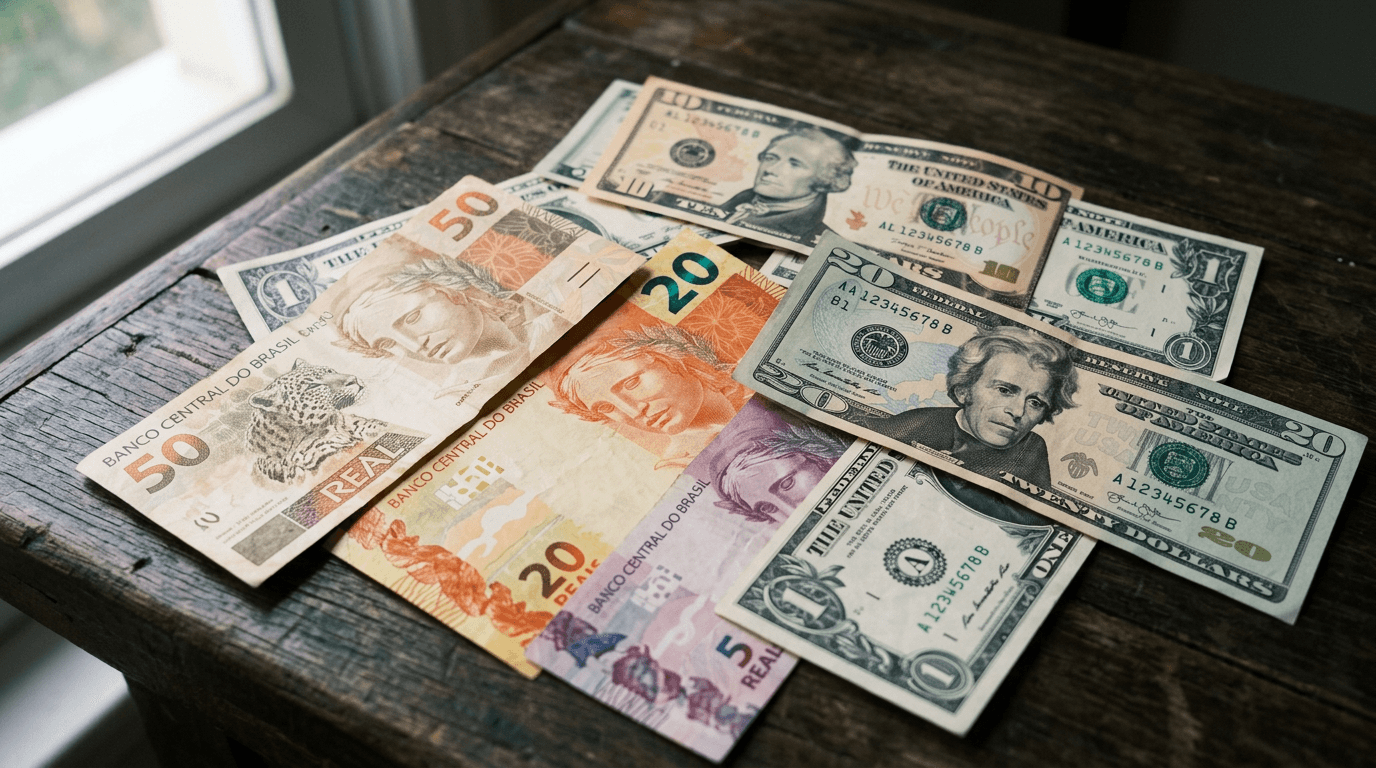 How Shifting Policies in Brazil Today Match the Needs of US InvestorsBrazil passes a major $10 billion fiscal package, tightens rules on strategic rare earth mining, and cracks down on systemic judicial debt fraud.
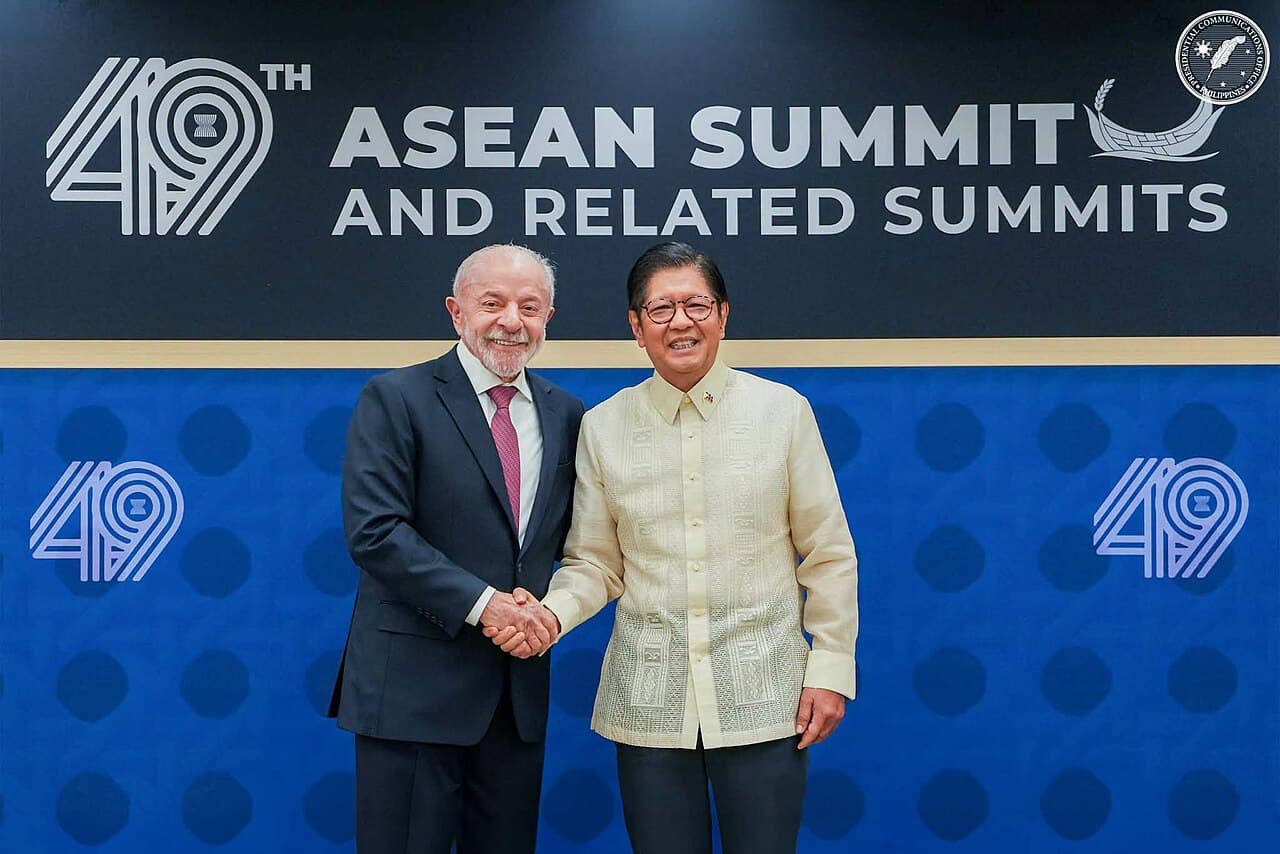 How Brazil Politics 2026 Reshapes Chip Chains with Philippine PivotBrazil pitches its massive rare earth reserves to the Philippines for chip assembly, bypassing U.S. trade routes under strict domestic processing rules.
 Beyond Brazilian meat at The Grove, JBS and BRF face pork import banThe Philippines implemented a 60-day safeguard ban on pork imports from Brazil starting November 24, squeezing margins for US-listed giants JBS and BRF.