
How Brazil Politics 2026 Reshapes Chip Chains with Philippine Pivot
Brazil pitches its massive rare earth reserves to the Philippines for chip assembly, bypassing U.S. trade routes under strict domestic processing rules.
Key takeaways
- Brazil proposed integrating critical minerals with Philippine semiconductor parks, per G1 on November 14, 2026
- Brazil approved a 27-mineral list prioritizing rare earths, lithium, and copper, per Agência Brasil on November 5, 2026
- U.S. tariffs of 12.5% to 25% in mid-2026 helped shrink the U.S. share of Brazilian trade to 9.2%, per government trade figures in November 2026.
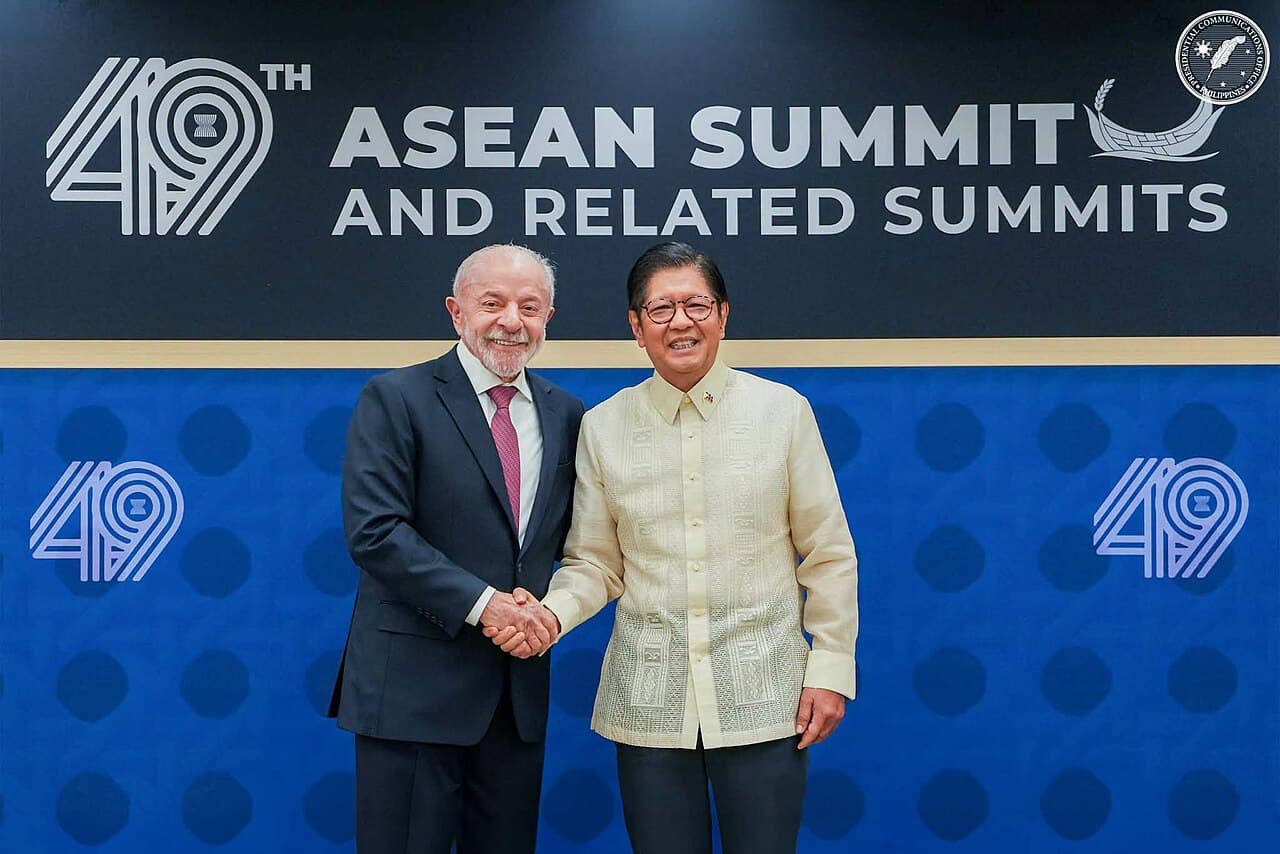
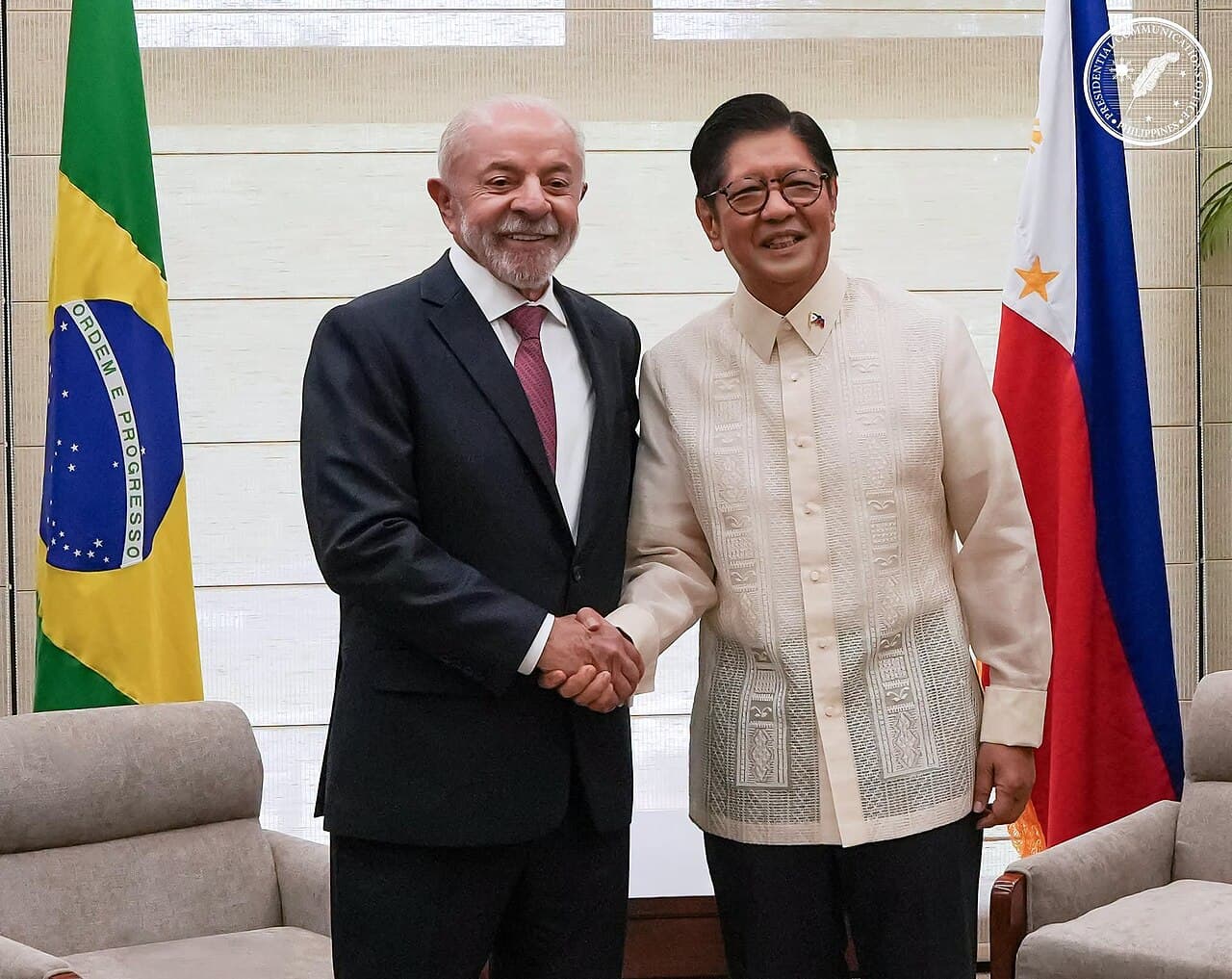
For American technology investors holding global microchip funds or shares in tech giants, the raw materials feeding their portfolios are quietly plotting an Asian detour. On November 14, 2026, during the first-ever official visit by a Brazilian president to the Philippines, President Luiz Inácio Lula da Silva proposed integrating Brazil's massive critical mineral reserves directly with Manila’s semiconductor assembly parks, according to a report by G1. This diplomatic pitch aims to bypass traditional U.S. trade channels, but it carries a strict catch: international partners must invest in domestic processing and technology transfer inside Brazil, rather than simply exporting raw ore. The high-stakes state visit comes just weeks after Lula secured his fourth presidential term, defeating Flávio Bolsonaro in an October 25, 2026 runoff election, per official Superior Electoral Court results.
The proposal is backed by a newly codified regulatory framework. On November 5, 2026, Brazil’s National Council for the Industrialization of Critical and Strategic Minerals approved a 27-mineral priority list, placing rare earths, lithium, nickel, cobalt, and copper into its "Class I" high-priority category, as reported by Agência Brasil. Under the new policy, projects focused on these minerals gain priority access to federal financing, but only if they advance domestic industrialization. Speaking in Manila on November 15, 2026, Lula declared that Brazil does not want to be just an exporter of raw materials anymore and seeks to export finished products like batteries and microchips.
This rapid realignment follows escalating trade friction with Washington. Following U.S. tariff actions ranging from 12.5% to 25% on Brazilian goods in mid-2026, Brazil’s trade has pivoted rapidly toward Asia. Trade with China is up nearly 20% and trade with Indonesia has climbed 15%, while the U.S. share of total Brazilian trade has contracted to just 9.2% as of November 2026, according to official trade ministry statistics. By linking up with the Philippines—where the semiconductor sector features more than 470 operational companies, according to a May 2026 statement by the Philippine Economic Zone Authority—Brazil is attempting to establish a robust, non-Western supply chain node.
What to watch next is whether global chip manufacturers are willing to absorb the heavy capital expenditures required to build processing infrastructure inside Brazil. While Brazil holds 11 million tonnes of rare earth reserves—the second-largest globally behind China—the country produced a mere 2,000 tonnes in 2025, against a global total of 390,000 tonnes, according to the February 2026 U.S. Geological Survey summary. Global investors will need to monitor whether Philippine assembly majors and Brazilian mining firms sign formal joint ventures, or if the domestic-processing requirement proves too restrictive for foreign capital.
In your brokerage app
Global technology supply chains and major mining ADRs like Vale, listed in New York, are heavily exposed to Brazil's new critical minerals policy and its rapid pivot to Asian trade. Investors holding broad emerging-market funds like the iShares MSCI Brazil ETF or shares in major western chip fabricators will want to monitor how these local-processing mandates affect upstream mineral pricing.
Related coverage
 How Brazil Fiscal Deficit 2026 Bill Squeezes Corporate Cash FlowsA major $10 billion fiscal package passed by Brazil’s Senate on November 12, 2026, aims to curb spending but severely restricts corporate tax credits.
 Why Brazil Conditions Rare Earth Mining on Local ProcessingBrazil conditions future rare earth and critical mineral concessions on local processing to build batteries and chips, shaking up global mining investments.