
With Brazil, Your Welcome Fiscal Cushion Clears the Senate
The Brazilian Senate has approved the base text of a R$ 56.1 billion fiscal package, stabilizing the Real and easing sovereign debt fears for US investors.
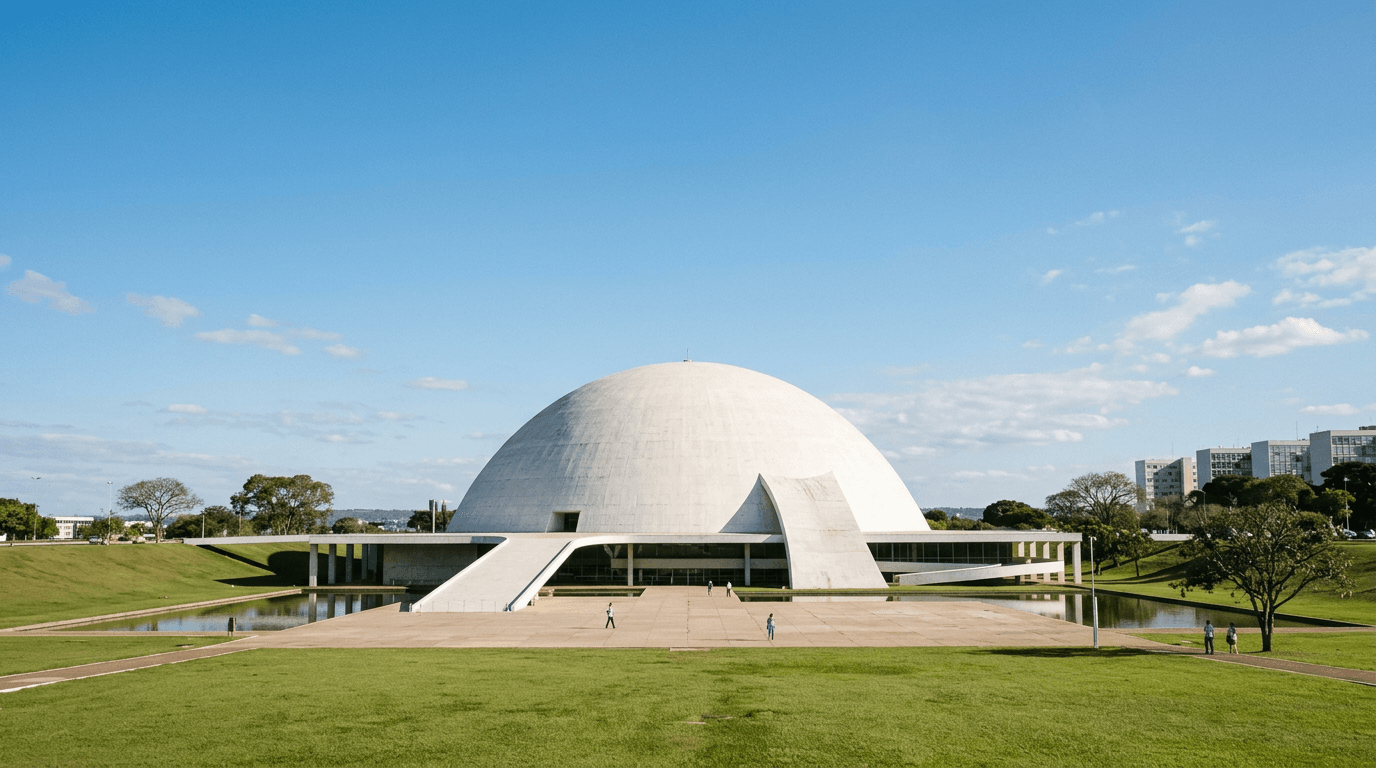
US investors holding emerging market equity funds or South American assets saw a significant fiscal hurdle cleared on November 12, 2026, when the Brazilian Senate approved the base text of a R$ 56.1 billion ($10 billion) spending reduction package, as reported by Poder360 on November 13, 2026. The legislative framework, known as PLP 299/2026, passed the upper house by a 45-to-31 margin in Brasília, directly targeting a primary balance improvement between R$ 45.1 billion and R$ 56.1 billion for 2027. This legislative progress helps alleviate persistent fiscal deficit fears that have weighed heavily on Brazilian asset valuations and currency stability.
In Brazil’s legislative system, the Senate acts as a key gatekeeper for fiscal policy, and its base approval of the package represents a major victory for President Luiz Inácio Lula da Silva’s administration, per Congressional reports on November 13, 2026. Sponsored by government leader Senator Jaques Wagner and managed by budget relator Senator Eduardo Braga, the bill serves as a concrete mechanism to curb public spending and restore investor confidence. For global allocators, the move is seen as essential for stabilizing the USD BRL exchange rate, which was trading at 5.65 Real per US dollar as of November 15, 2026, according to central bank currency data.
To generate the targeted savings, the approved bill introduces two main structural mechanisms designed to tighten federal purse strings, per Senate documents from November 12, 2026. First, it lowers the ceiling for real expenditure growth within Brazil's fiscal framework from 2.5% to 2.0% above inflation during years when emergency containment measures are active. Second, it mandates a linear 10% to 20% reduction in federal tax incentives for businesses, though it carves out strategic exceptions for payroll tax relief, information technology, and the semiconductor sector to avoid stifling industrial growth.
While local financial institutions remain cautious about the final net impact of the savings, the legislative momentum signals a growing willingness by Congress to address fiscal slippage under the new fiscal framework, per market reports on November 13, 2026. The primary balance improvement is designed to narrow the country's fiscal deficit, lowering sovereign risk premiums and supporting the relative value of local equities. Historically, clear progress on structural spending caps has been the primary catalyst required to spark sustained inflows of foreign direct and portfolio investment into Brazil.
The fiscal package is not yet fully enacted into law. The Senate is scheduled to vote on four remaining amendments, known as destaques, on Tuesday, November 17, 2026, before the legislation is sent to the Chamber of Deputies—Brazil’s lower house—where a final vote is expected on Wednesday, November 18, 2026, per the legislative schedule reported by Poder360 on November 13, 2026. Investors will be watching closely to see if these subsequent legislative stages dilute the proposed cuts or if the R$ 56.1 billion framework holds firm.
In your brokerage app
For retail investors who trade international markets via US brokerages, this policy progress directly impacts the iShares MSCI Brazil ETF, an exchange-traded fund that tracks large- and mid-sized Brazilian companies. A stronger Real and lower sovereign risk typically act as a tailwind for this fund, translating local equity gains into higher dollar-denominated returns without requiring direct exposure to local currency markets.
Related coverage
 Court Delay on Brazil Shorter Workweek Eases Corporate PressuresSupreme Court Justice Luiz Fux halts a virtual trial on Brazil's 6x1 to 5x2 workweek transition, resetting votes but leaving a temporary December start date active.
 US Tech Investors Track Brazil Semiconductor Industry PushBrazilian President Lula proposed integrating the nation's critical minerals with the Philippine chip sector to create new South-South tech supply chains.
 Senator's Escape to Florida Heightens Brazil Geopolitical RiskSenator Flávio Bolsonaro's sudden flight to Florida after his election defeat defies a Supreme Court passport order and escalates political tensions.