Soy Costs Surge on USDA Surprise: Brazil, You're Welcome to the Rally
A surprise November USDA report cutting soybean ending stocks to a four-year low has triggered a global price rally, boosting Brazilian exporters.
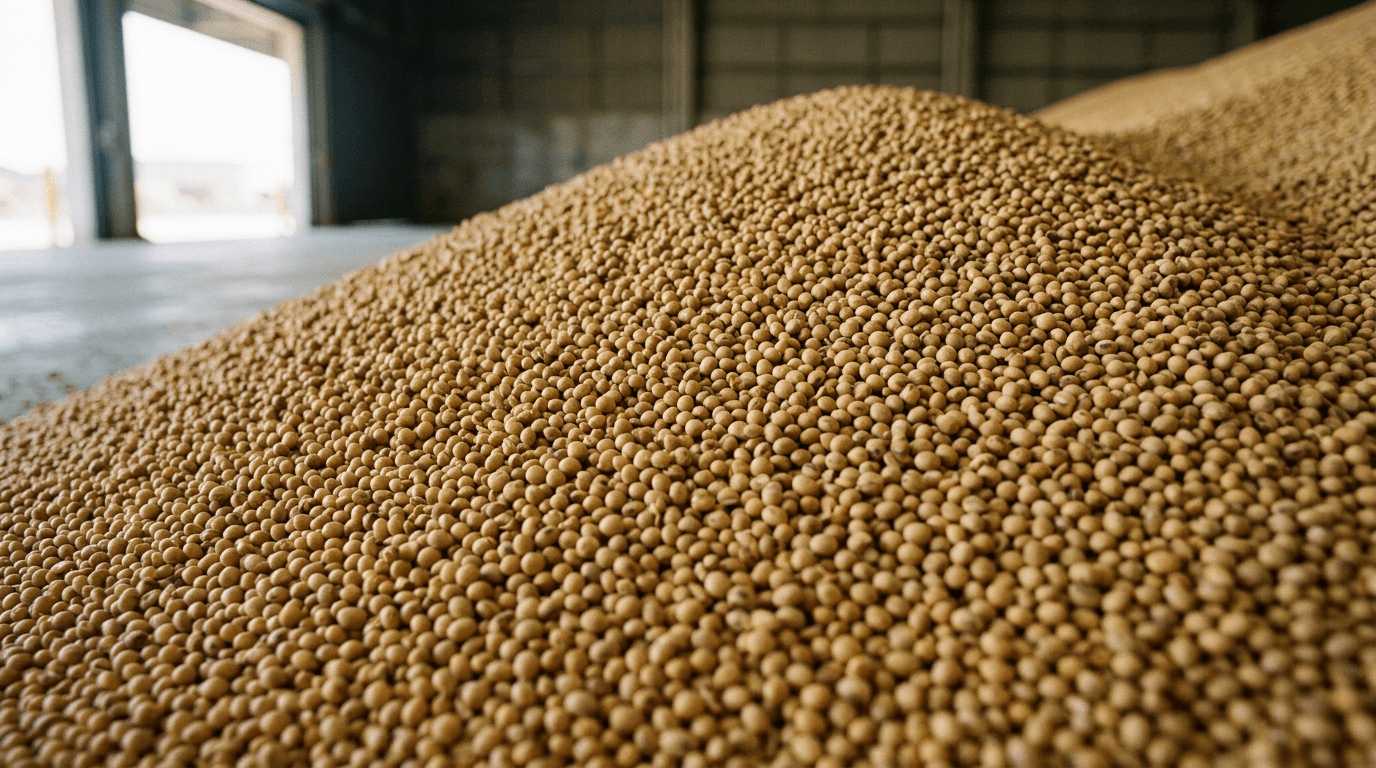
American livestock producers and grocery shoppers are facing a sudden, sharp reversal in feed costs after the federal government delivered an unexpected supply shock to global grain markets. On November 10, 2026, the U.S. Department of Agriculture (USDA) released its November World Agricultural Supply and Demand Estimates (WASDE) report, cutting projected U.S. soybean ending stocks to a four-year low of 300 million bushels. This caught commodity markets—which had anticipated inventories of up to 332 million bushels—completely off guard. Chicago Board of Trade (CBOT) January soybean futures responded by soaring 39.75 cents (or 3.57%) to close at $12.28 per bushel on November 10, 2026, abruptly ending a multi-month slide in grain prices.
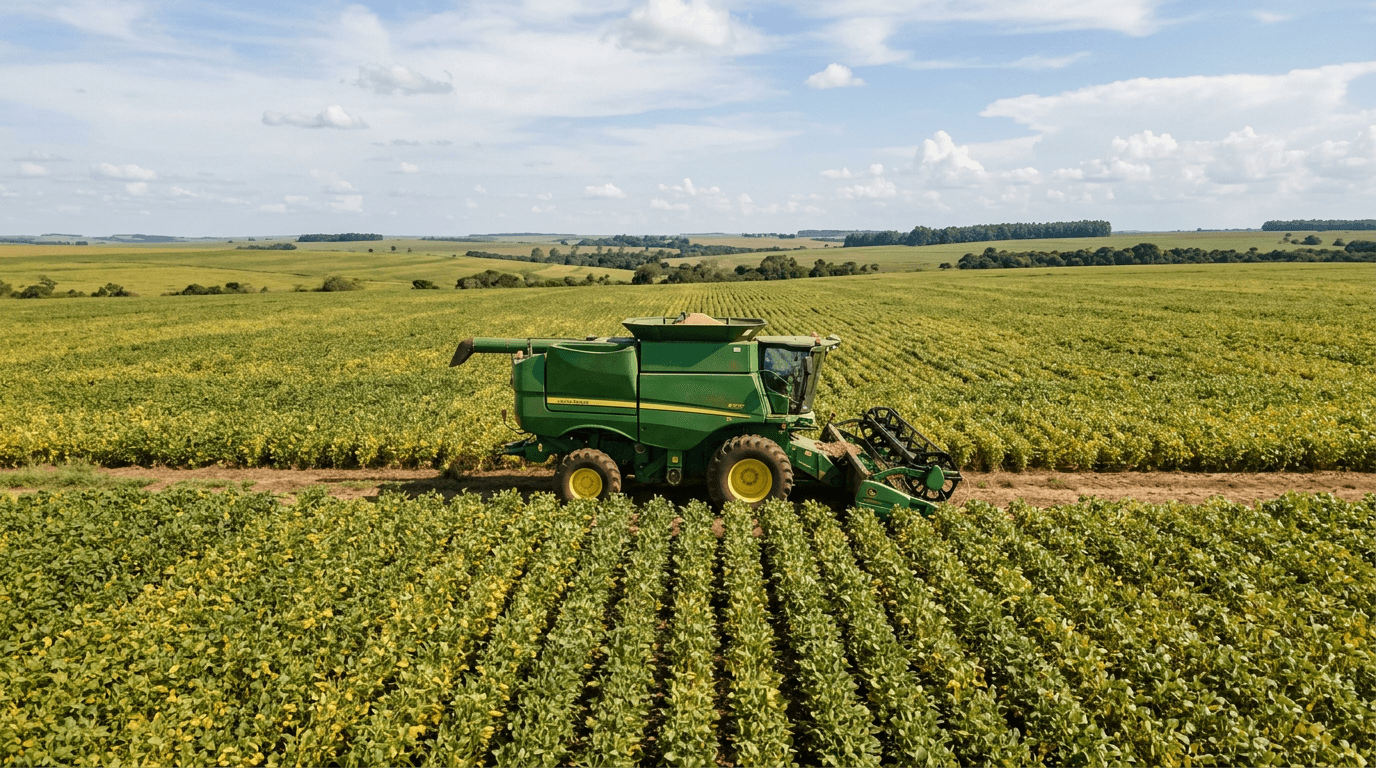
In Brazil, the world's absolute heavyweight in soybean exports, physical cash markets reacted instantly to the U.S. supply squeeze. Soybean prices at the key southern port of Paranaguá—the critical maritime gateway connecting Brazil's grain belt to global markets—rebounded back above R$ 160 per 60-kilogram bag (saca) by November 11, 2026. This sudden price spike prompted Brazilian farmers, who had been holding grain during the long price downturn, to aggressively sell off their remaining inventories.
South American Producers Seize the Momentum
This sudden tightening of global inventories is reshaping the profit outlook for major South American agricultural operators and land developers. Large-scale farming companies like BrasilAgro are finding themselves in an exceptionally strong position. According to SEC filings on November 3, 2026, BrasilAgro had already adjusted its crop mix for the 2026/27 season, raising its projected soybean production to 261,200 metric tons—up 1% from its initial estimate—as rising prices favored shifting acres into beans. During an investor call, BrasilAgro CEO André Guillaumon reported that the company had locked in soybean prices at an average of $12.26 per bushel for its next harvest and pre-sold 57% of its future production, capitalizing on favorable currency exchange rates to manage fertilizer and input costs.
The mechanism behind this surprise inventory contraction is a rapid acceleration in export demand rather than a domestic harvest failure. While the USDA actually raised its 2026/27 U.S. soybean yield estimate slightly by 0.2 bushels to 53.3 bushels per acre in its November 10, 2026 report, it more than offset that gain by boosting projected U.S. exports by 25 million bushels to 1.720 billion. This revision pulled the national soybean stocks-to-use ratio down to a razor-thin 6.5%, leaving no margin for error if weather issues crop up in the Southern Hemisphere. Speculative money had already begun betting on a turnaround; Commodity Futures Trading Commission (CFTC) data showed that non-commercial traders held heavily biased long positions in CBOT soybeans leading up to the release.
What happens next will be decided by the weather in Brazil, where the 2026/27 crop is currently being planted. In Sorriso, a key agricultural hub in the top-producing state of Mato Grosso, fields received 87.7 millimeters of rain over a seven-day period ending in early November 2026, with zero dry days recorded. Investors will be watching the next USDA WASDE report on December 10, 2026, alongside South American precipitation charts, to see if these high prices are here to stay or if a bumper Brazilian harvest will eventually cap the rally.
In your brokerage app
For investors tracking global agricultural commodities, U.S.-listed assets tied to South American farming represent one avenue of exposure. BrasilAgro, which trades on the New York Stock Exchange under the ticker LND, operates a business model focused on acquiring and developing agricultural land alongside its grain production. The valuation of such agricultural land portfolios and crop revenues is traditionally sensitive to shifts in benchmark grain prices, such as those triggered by the recent USDA report, though these assets remain subject to operational risks, weather disruptions, and currency volatility.