
Court Delay on Brazil Shorter Workweek Eases Corporate Pressures
Supreme Court Justice Luiz Fux halts a virtual trial on Brazil's 6x1 to 5x2 workweek transition, resetting votes but leaving a temporary December start date active.
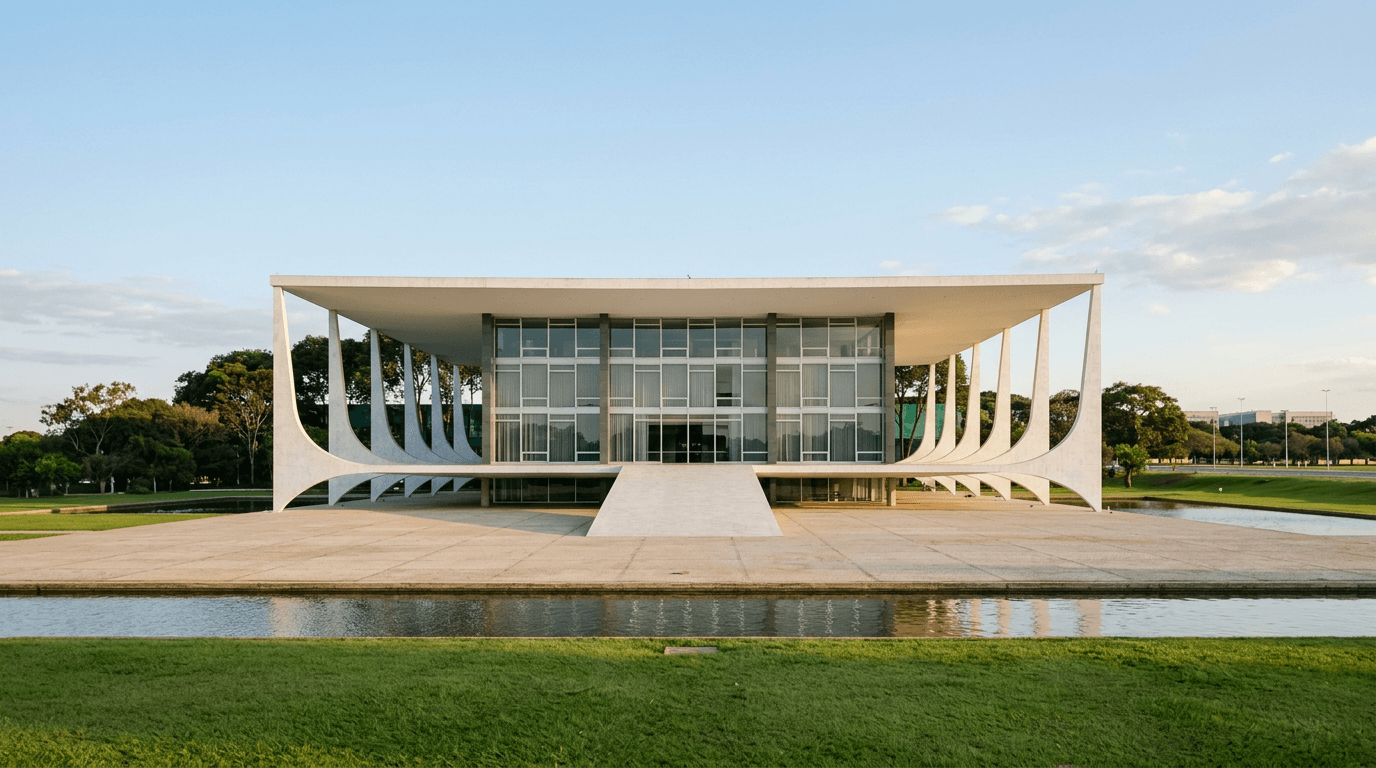
American retail investors holding emerging market equities or major Latin American stocks listed in New York received a temporary reprieve on Saturday, November 14, 2026, as a high-stakes labor reform in Brazil was put on hold. Supreme Court Justice Luiz Fux used a procedural maneuver known as a destaque to halt a virtual trial that was on the verge of ratifying a mandatory transition to a shorter workweek, according to a court update reported by G1. This intervention wiped out a 4-0 virtual voting scorecard that was on track to lock in the reform, temporarily averting immediate, permanent regulatory pressure on corporate labor margins.
Resetting the virtual scorecard
The legal battle centers on a transition from Brazil's traditional "6x1" workweek—consisting of six days of work and one day off—to a "5x2" model, as outlined in the court proceedings reported by G1 on November 14, 2026. By filing the destaque, Fux pulled the trial out of the Supreme Federal Court's online voting platform and sent it to the physical courtroom. Before Fux's intervention, the court's virtual scorecard stood at 4-0 in favor of ratifying a transition schedule outlined by the case's rapporteur, Justice Flávio Dino, with votes from Justices Alexandre de Moraes, Cármen Lúcia, and Gilmar Mendes also logged in favor, as reported by G1 on November 14, 2026. Fux's procedural move completely resets that scorecard, forcing all 11 justices to debate and cast their votes anew in a live, physical session.
Regulatory details of the transition
While the permanent court ruling is delayed indefinitely, the regulatory threat to corporate margins remains. Justice Dino’s temporary injunction, issued on November 12, 2026, remains fully active, as noted by G1 on November 14, 2026. Under this active injunction, the first phase of the workweek reduction—capping weekly hours at 42 instead of the traditional 44—is still legally scheduled to begin on December 16, 2026, as reported by G1 on November 14, 2026.
However, Dino's injunction contains a crucial transitional buffer: if labor unions and employers fail to reach a collective agreement by December 15, 2026, companies can distribute those 42 hours across five days (translating to 8 hours and 24 minutes per day) without paying overtime for the extra 24 minutes, according to G1 on November 14, 2026. This buffer is designed to prevent immediate legal disputes over minor daily overtime hours.
Business lobby pushback
This labor overhaul has met fierce resistance from Brazil's primary business coalitions, including the National Confederation of Commerce (CNC) and the National Confederation of Industry (CNI), as reported by G1 on November 14, 2026. These groups petitioned the court to delay the transition, warning of severe operational bottlenecks and immediate cost spikes for consumer-facing and industrial companies. Because many corporate employers in Brazil rely heavily on shift-based labor, a transition to a 5x2 model with a permanent 40-hour limit by December 2027, as outlined in the transition plan reported by G1 on November 14, 2026, threatens to compress operating margins. Fux’s move to reset the trial allows business lobbies more breathing room to contest the scope of the transition before a final, binding precedent is established.
The timeline for a final decision now rests entirely with Court President Edson Fachin, who is tasked with scheduling the physical trial on the Supreme Court's busy docket, according to G1 on November 14, 2026. No date has yet been set for the resumption of the case. In the meantime, companies operating in Brazil must prepare to comply with the 42-hour weekly limit starting December 16, 2026, as dictated by Dino's standing injunction, while watching whether the physical court eventually moderates or upholds the transition timeline, according to G1 on November 14, 2026.
In your brokerage app
American retail investors can track this regulatory bottleneck through major Brazilian equities listed in New York that are highly sensitive to domestic labor costs. These include beverage giant Ambev, banking heavyweight Itaú Unibanco, and e-commerce leader MercadoLibre, all of which employ thousands of Brazilian workers and are core holdings in popular emerging market funds like the iShares MSCI Brazil ETF.
Related coverage
 US Tech Investors Track Brazil Semiconductor Industry PushBrazilian President Lula proposed integrating the nation's critical minerals with the Philippine chip sector to create new South-South tech supply chains.
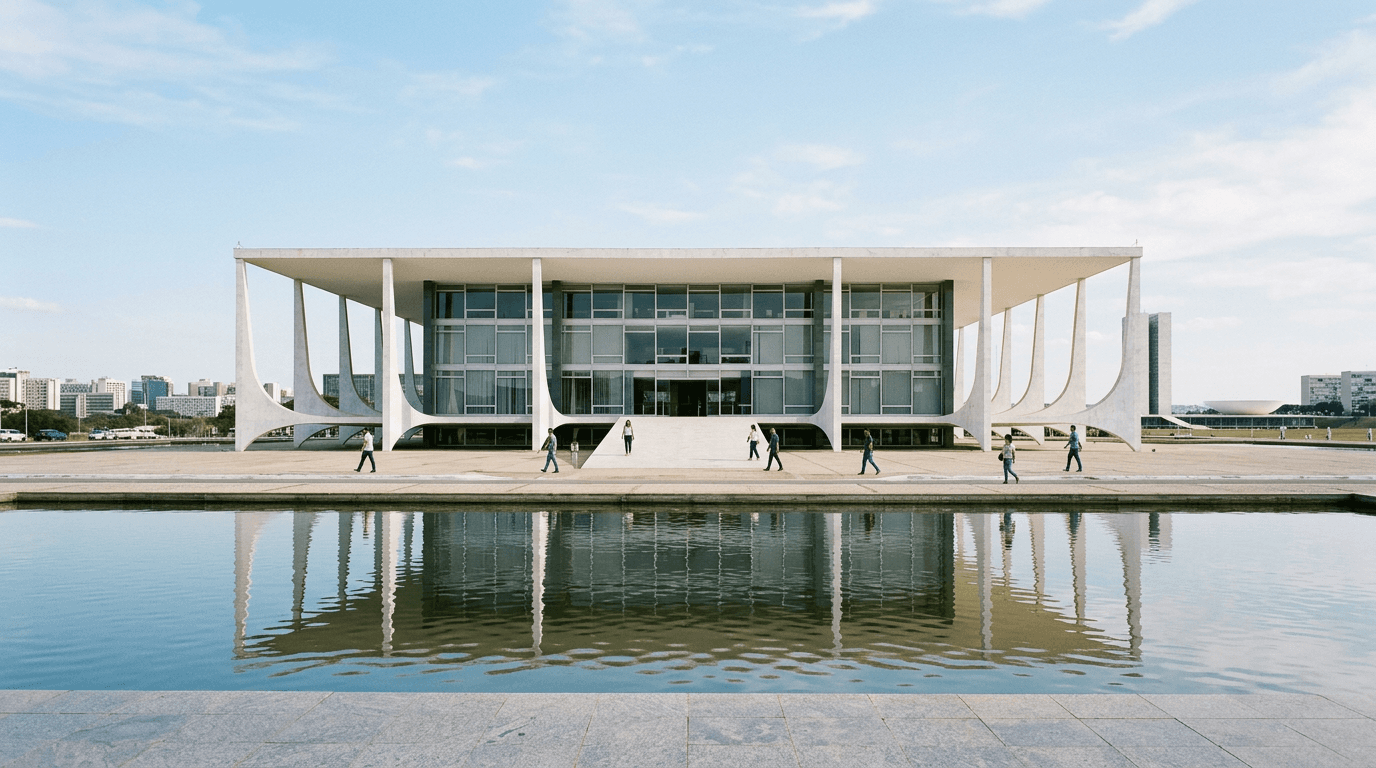 Senator's Escape to Florida Heightens Brazil Geopolitical RiskSenator Flávio Bolsonaro's sudden flight to Florida after his election defeat defies a Supreme Court passport order and escalates political tensions.
 For pork exporters in Brazil, your welcome in Manila is pausedA 60-day Philippine safeguard suspension starting November 24, 2026, on pork imports threatens Brazil's top market, risking oversupply for JBS and BRF.