
Senator's Escape to Florida Heightens Brazil Geopolitical Risk
Senator Flávio Bolsonaro's sudden flight to Florida after his election defeat defies a Supreme Court passport order and escalates political tensions.
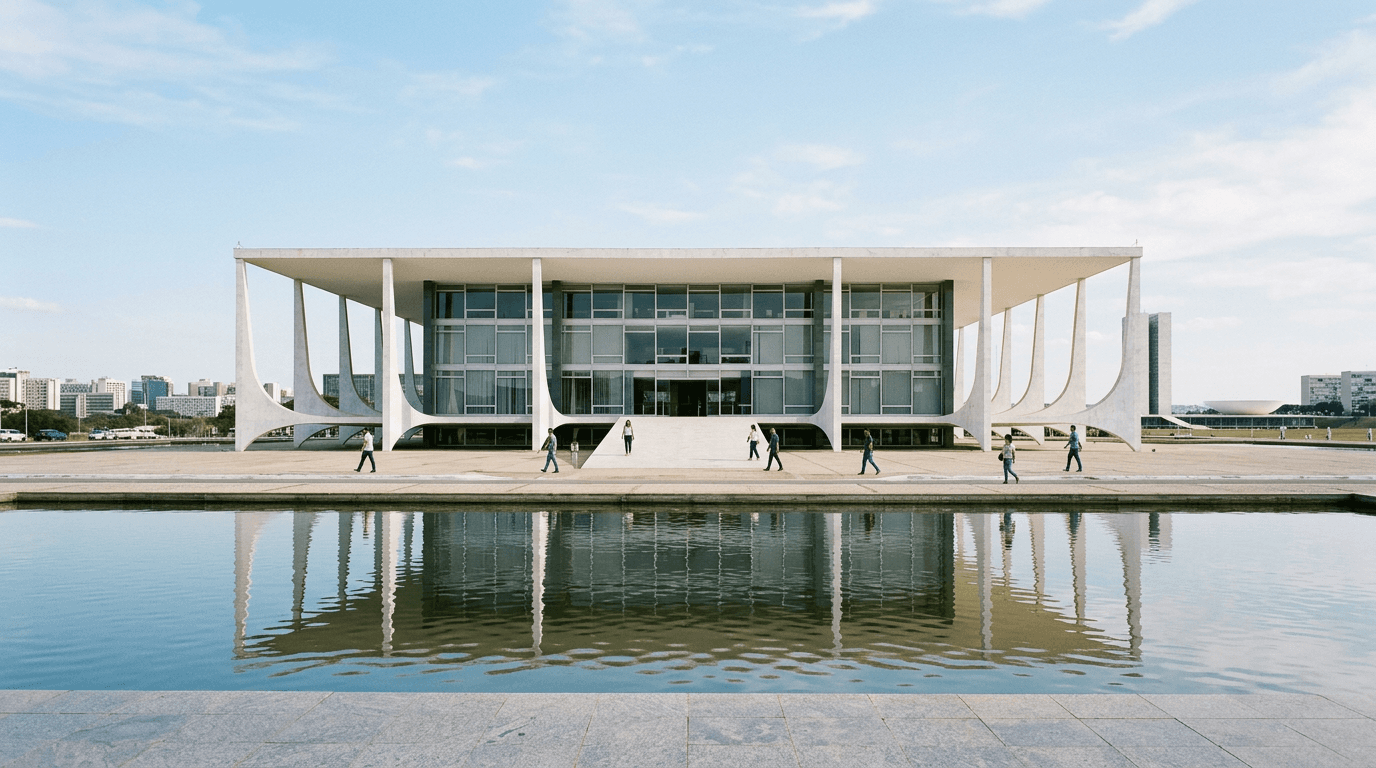
Global investors tracking sovereign risk premiums or monitoring exchange-traded funds are facing fresh political volatility in Latin America’s largest economy. The dramatic flight of a prominent federal lawmaker to the United States in defiance of a Supreme Court order has injected sudden institutional friction into the nation’s financial outlook.
Brazilian Senator Flávio Bolsonaro, who recently lost the October 25, 2026 presidential runoff election to Luiz Inácio Lula da Silva, fled to Florida on October 27, 2026, bypassing border controls and ignoring a judicial mandate, as reported by The Guardian. Supreme Federal Court Justice Alexandre de Moraes had ordered the conservative lawmaker to surrender his passports within 24 hours as part of an active money-laundering and corruption investigation. The senator defied the order by crossing into Argentina on foot before flying to Miami via Ecuador.
Following his arrival at Miami-Opa Locka Executive Airport on Wednesday, October 28, 2026, the senator published a series of statements contesting the election results, according to reporting by G1 Globo. He initially declared himself the "president-elect" before revising the claim to label himself the "leader" of Brazil. He alleged political persecution and electoral fraud without providing evidence, triggering a major diplomatic and institutional headache as U.S. President Donald Trump publicly defended the senator and confirmed that the U.S. would issue visas for his family.
Political Backlash and Public Disapproval
The sudden self-exile has deeply split public opinion back home. According to a nationwide Genial/Quaest poll published on November 8, 2026, which surveyed 2,004 voters with a 2% margin of error, 56% of Brazilians believe the senator left the country to escape judicial prosecution, while only 35% viewed the flight as a move to escape political persecution. Furthermore, the survey found that 62% of respondents disapproved of his decision to flee, signaling that the majority of the public rejects his narrative of judicial overreach.
Extradition Limits and What's Next
Looking forward, the legal and diplomatic showdown is set to intensify. While Brazil and the U.S. maintain a bilateral extradition treaty dating back to the 1960s, it currently only covers individuals who have been formally charged or convicted. Because Senator Bolsonaro remains under investigation without formal charges, immediate extradition is legally improbable. However, the political fallout continues to strain relations between Brasília and Washington while the Supreme Federal Court considers further measures, including potential pretrial detention requests and international Interpol alerts.
In your brokerage app
For retail investors holding the iShares MSCI Brazil ETF, which is listed in New York, or tracking the currency exchange via the U.S. dollar-to-Brazilian real rate, this institutional friction acts as a reminder of the sovereign risk premium associated with Brazilian equities. While these political developments do not directly affect corporate earnings, they can drive short-term capital flight and downward pressure on the local currency.
Related coverage
 Court Delay on Brazil Shorter Workweek Eases Corporate PressuresSupreme Court Justice Luiz Fux halts a virtual trial on Brazil's 6x1 to 5x2 workweek transition, resetting votes but leaving a temporary December start date active.
 US Tech Investors Track Brazil Semiconductor Industry PushBrazilian President Lula proposed integrating the nation's critical minerals with the Philippine chip sector to create new South-South tech supply chains.
 For pork exporters in Brazil, your welcome in Manila is pausedA 60-day Philippine safeguard suspension starting November 24, 2026, on pork imports threatens Brazil's top market, risking oversupply for JBS and BRF.