
US Tech Investors Track Brazil Semiconductor Industry Push
Brazilian President Lula proposed integrating the nation's critical minerals with the Philippine chip sector to create new South-South tech supply chains.
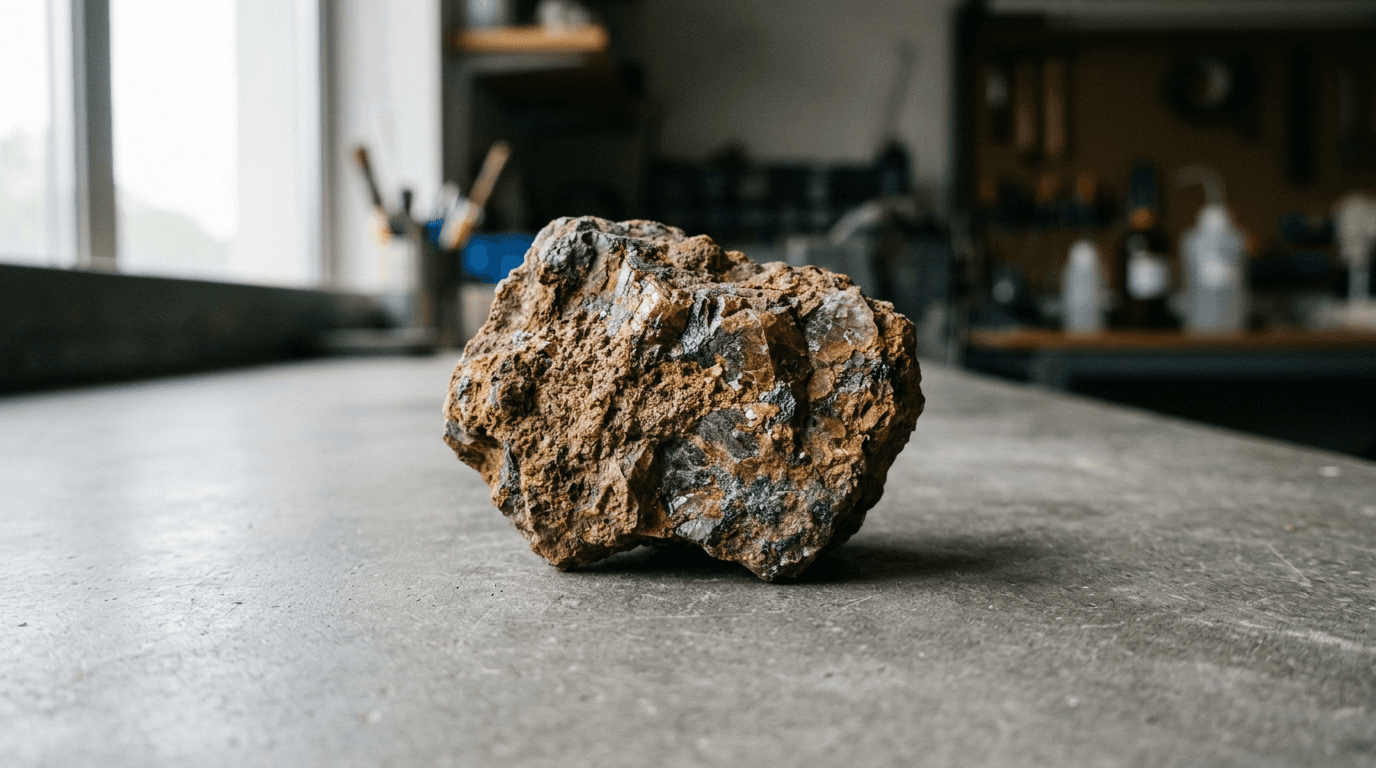
US technology investors tracking global supply-chain bottlenecks have a new strategic trade corridor to monitor following a diplomatic push on November 14, 2026. During an official state visit to Manila, Brazilian President Luiz Inácio Lula da Silva launched a bilateral proposal to link Brazil's raw critical mineral reserves directly with the advanced Philippine microchip packaging sector, aiming to secure tech hardware inputs and bypass heavy reliance on Chinese processing. The diplomatic initiative, reported by Brazilian news outlet G1 on November 14, 2026, aims to connect the emerging brazil semiconductor industry supply chain with established Southeast Asian technology clusters.
Brazil holds the world's second-largest reserves of rare earth metals, according to global geological data as of November 2026, while the Philippines possesses a highly developed industrial base for packaging and producing microchips. Speaking in Manila, President Lula emphasized that the two nations stand to gain significantly by integrating their research centers, universities, and innovative companies. This alignment comes amid a broader geopolitical push to establish resilient South-South trade routes for critical minerals like lithium, nickel, cobalt, and rare earths—the essential building blocks for clean energy hardware and advanced electronics. Finding alternative rare earth processing options has become a critical priority for international tech firms, given that China dominates over 70% of global rare earth extraction.
However, actual supply chain integration faces deep domestic headwinds within Brazil. Government ministers are actively pushing mining firms to invest in local critical mineral processing plants, supported by a 2 billion real mineral guarantee fund and up to 5 billion reais in tax credits announced by the federal government in September 2026. Despite these government efforts, progress remains slow. Brazil's National Mining Agency reported that while strategic mineral jobs grew 8.6% from 2023 to 2025, the country still lacks advanced separation and refining capacity, meaning that raw materials must still be processed abroad before they can be utilized in Philippine microchip assembly lines.
What to watch next is whether the Brazilian and Philippine governments can finalize concrete bilateral agreements on technical cooperation and tariff structures during the ongoing ASEAN Summit in Manila. Investors will also monitor whether the newly proposed federal council on critical minerals under the Brazilian president's office, discussed by Lula during international summits in early November 2026, can successfully coordinate local mining projects and attract the foreign capital needed to bring large-scale rare earth separation plants online by 2028.
In your brokerage app
Factual market exposure to Brazil's mining and resources sector is concentrated in a few large-scale assets. Vale, listed in New York as VALE, is the nation's largest mining exporter. On August 27, 2026, Vale's technical vice president Rafael Bittar confirmed that the company is studying the feasibility of extracting rare earths from its existing mining tailings. While Vale clarified in regulatory filings on September 8, 2026, that it has no active plans or management decisions for an initial public offering of its subsidiary, Vale Base Metals, the division continues to develop critical mineral reserves across Canada and Brazil. Broad-based exposure to Brazilian resource policy is represented by the iShares MSCI Brazil ETF, an exchange-traded fund that tracks major Brazilian commodity producers.
Related coverage
 Court Delay on Brazil Shorter Workweek Eases Corporate PressuresSupreme Court Justice Luiz Fux halts a virtual trial on Brazil's 6x1 to 5x2 workweek transition, resetting votes but leaving a temporary December start date active.
 Senator's Escape to Florida Heightens Brazil Geopolitical RiskSenator Flávio Bolsonaro's sudden flight to Florida after his election defeat defies a Supreme Court passport order and escalates political tensions.
 For pork exporters in Brazil, your welcome in Manila is pausedA 60-day Philippine safeguard suspension starting November 24, 2026, on pork imports threatens Brazil's top market, risking oversupply for JBS and BRF.