
With Brazil Facing U.S. Tariffs, Export Pivot to Asian Bloc Accelerates
Facing U.S. tariffs, Brazil is accelerating its trade pivot to Asia, bidding for full ASEAN Dialogue Partner status to secure alternative export markets.

American retail investors holding diversified emerging market funds are seeing their portfolios exposed to a major realignment of global trade routes. As Washington’s protectionist policies raise trade barriers for South American goods, Brazil is aggressively pivoting its massive agricultural and industrial export engines away from the United States and toward high-growth Asian markets.
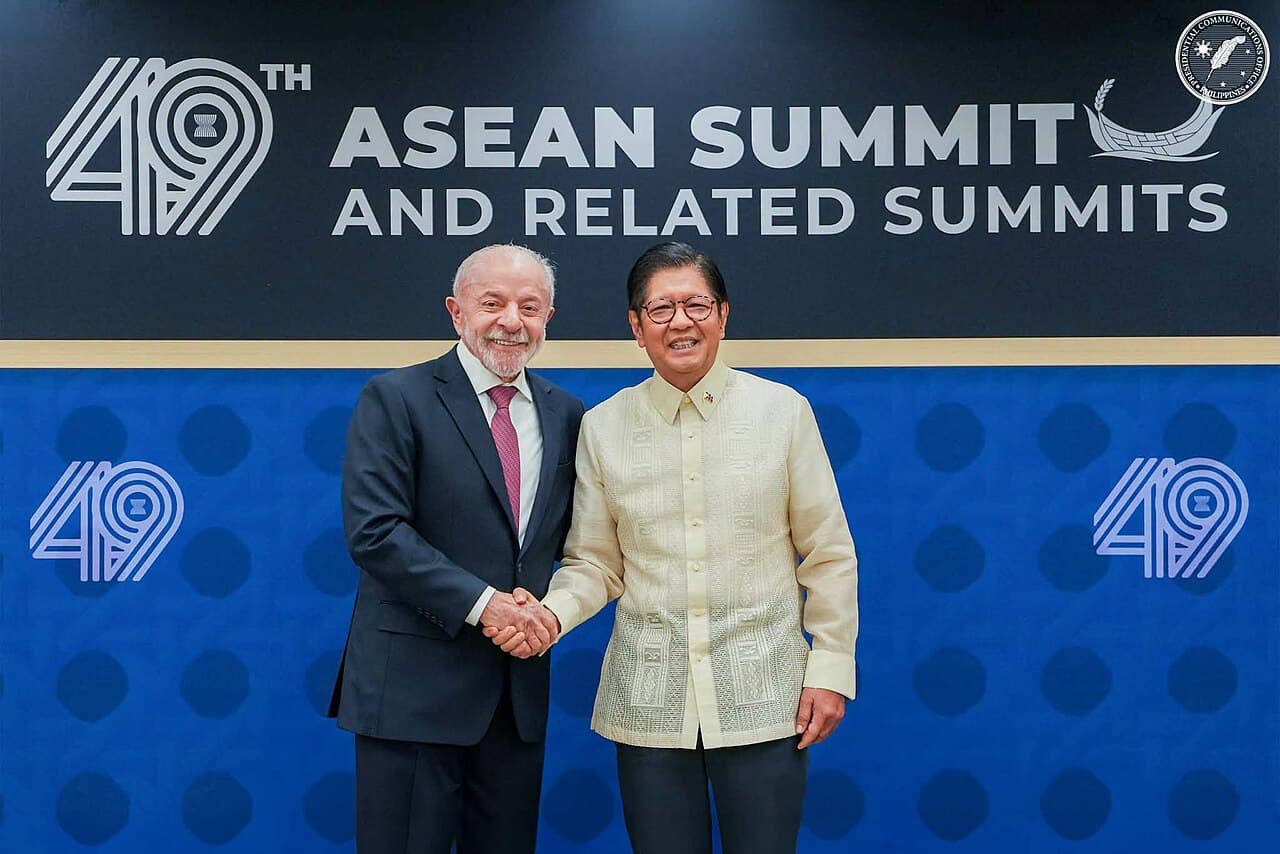
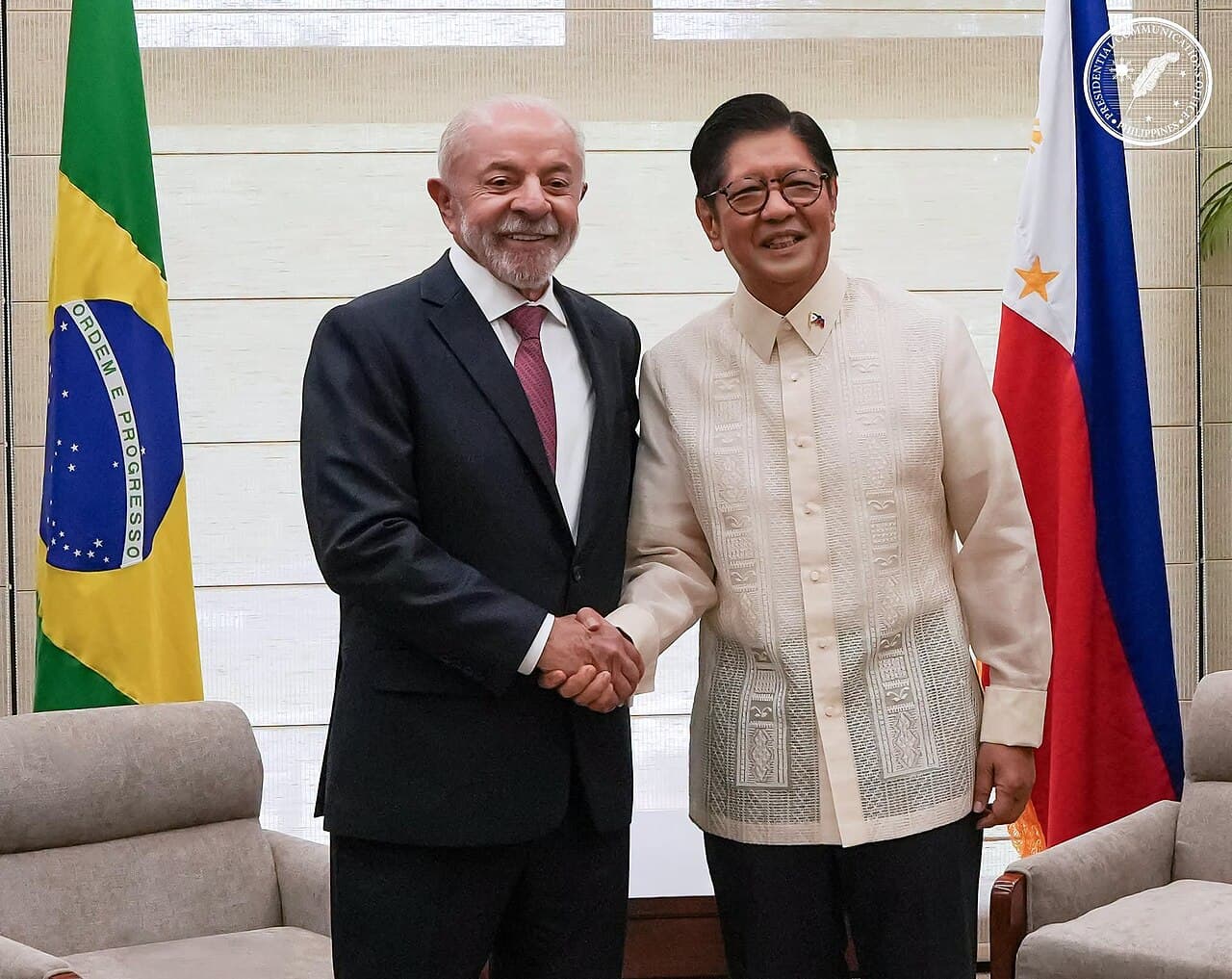
Speaking in Manila on November 15, 2026, newly re-elected Brazilian President Luiz Inácio Lula da Silva declared that his administration is looking for new commercial partners instead of "begging" the United States for tariff relief. During a historic state visit to the Philippines on the sidelines of the 49th Association of Southeast Asian Nations (ASEAN) Summit, Lula announced that Brazil is officially bidding to transition from an ASEAN Sectoral Dialogue Partner to a full Dialogue Partner by 2027 to deepen trade integration, according to a report by Agência Brasil.
According to trade figures cited by Lula on November 15, 2026, the strategy of market diversification is already yielding substantial results. U.S. tariffs have trimmed America's share of Brazilian trade to just 9.2%, while commerce with alternative partners rose, including China (+20%), Indonesia (+15%), Germany (+15.8%), and Vietnam (+13%), with trade across 50 countries increasing by an average of 10.5%.
Is Brazil facing Japan?
By seeking to upgrade its status with ASEAN, Brazil is positioning itself alongside Japan, Canada, South Korea, and the United States as a full Dialogue Partner. This status allows for deeper trade integration, establishing permanent, high-level diplomatic and economic channels. Lula pointed out that such a status would help double Brazil's trade turnover with ASEAN member states—which already reached $38.4 billion in 2025—reducing long-term dependence on any single trading partner.
This structural shift is transforming the operations of Brazilian agricultural and industrial exporters, who are shifting sales toward Asian and alternative global partners to insulate from U.S. tariffs. The Philippines has emerged as a key destination, serving as a major importer of Brazilian pork in Southeast Asia. Additionally, Brazil has offered to share its expertise in biofuels to help regional partners reduce their reliance on imported Middle Eastern fossil fuels, further solidifying trade ties.
In your brokerage app
For retail investors holding U.S.-listed emerging market equities, this trade pivot directly touches major Brazilian multinationals traded on the New York Stock Exchange. Companies like mining titan Vale and national oil giant Petrobras rely heavily on global commodity demand; as trade flows permanently redirect toward Asian partners, their revenue streams are becoming increasingly insulated from U.S. trade policy decisions. Investors holding broad-market emerging market funds, such as the iShares MSCI Brazil ETF, will want to monitor how this structural shift affects the earnings of these resource exporters as they bypass Washington's tariff walls.
Related coverage
 How Brazil Politics 2026 Reshapes Chip Chains with Philippine PivotBrazil pitches its massive rare earth reserves to the Philippines for chip assembly, bypassing U.S. trade routes under strict domestic processing rules.
 How Brazil Fiscal Deficit 2026 Bill Squeezes Corporate Cash FlowsA major $10 billion fiscal package passed by Brazil’s Senate on November 12, 2026, aims to curb spending but severely restricts corporate tax credits.
 Why Brazil Conditions Rare Earth Mining on Local ProcessingBrazil conditions future rare earth and critical mineral concessions on local processing to build batteries and chips, shaking up global mining investments.