
Why Brazil Conditions Rare Earth Mining on Local Processing
Brazil conditions future rare earth and critical mineral concessions on local processing to build batteries and chips, shaking up global mining investments.
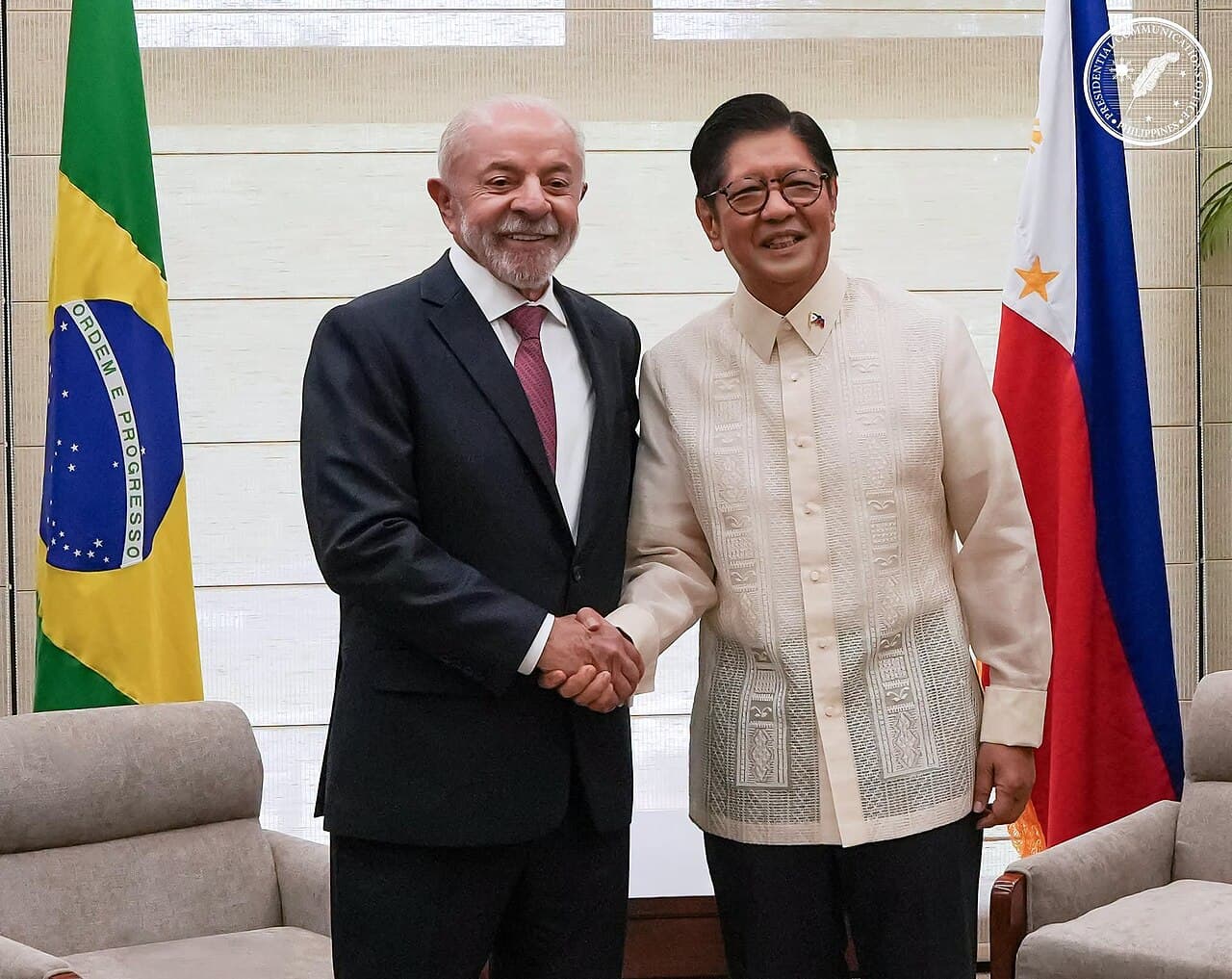
Investors holding global tech, electric vehicle, or defense stocks are facing a new regulatory hurdle in South America as the Brazilian government tightens its grip on its vast mineral wealth. On November 15, 2026, Brazilian President Luiz Inácio Lula da Silva announced in Manila that Brazil will condition future critical mineral and rare earth concessions on foreign partners processing those resources into finished batteries and semiconductor chips locally, rather than exporting raw commodities. The statement, reported by Agência Brasil, marks a sharp shift toward resource nationalism as global powers race to secure supply chains for the green energy transition.
This protectionist pivot directly aligns with Law 15,506/2026, signed on September 16, 2026, which officially established the National Policy for Critical and Strategic Minerals (PNMCE), according to the Câmara dos Deputados. To support the domestic processing push, the law outlines up to R$ 7 billion (approximately $1.27 billion) in total state-backed incentives. This includes a R$ 2 billion allocation for the Fundo Garantidor da Atividade Mineral (FGAM) to mitigate credit risks for downstream operations, alongside R$ 5 billion in research and development funding to build out industrial capabilities on Brazilian soil.
Processing Mandates vs. Export Realities
These emerging mandates present a major compliance challenge for junior miners and international consortia that currently lack full onshore refinement capabilities. For example, Serra Verde, which operates the Pela Ema mine in Goiás and was acquired by Florida-based USA Rare Earth in a deal valued at $2.8 billion in September 2026, has been shipping mixed rare-earth carbonate (MREC) to the U.S. under a $300 million government-backed purchase contract since October 2026, according to SEC filings. Similarly, Toronto-listed Aclara Resources, which is advancing the Carina project in Goiás, is designed to ship raw carbonate to a planned separation facility in Louisiana, as detailed by Aclara Resources. Both companies must now navigate a regulatory landscape that increasingly penalizes the outbound shipment of unrefined materials.
Underpinning the administration's industrial drive is a massive trade deficit in advanced electronics. Brazil imported $7.2 billion in integrated circuits between January and October 2026—representing a 55% jump compared to the same period in 2025, according to official Comex Stat trade data. Rather than remaining a passive exporter of ores, the government's strategy seeks to leverage its status as the holder of the world’s second-largest rare earth reserves, as estimated by the U.S. Geological Survey, to force international tech manufacturers to establish local factory footprints.
The immediate focus for the industry turns to how the National Council for the Industrialization of Critical and Strategic Minerals (CIMCE), which published a prioritized list of 27 critical minerals on November 5, 2026, will implement these rules, as reported by Mining.com. Mining operators and their offtake partners will need to watch whether existing supply agreements are grandfathered or if they will be forced to build expensive local separation and metallization infrastructure to protect their mining concessions.
In your brokerage app
For retail investors holding U.S.-listed multinational miners like Vale (listed in New York as VALE) or diversified exchange-traded funds tracking South American equities, these changing "resource nationalism" regulations signal higher capital expenditure requirements. Shifting global supply chains will depend heavily on whether junior mining firms can successfully secure additional project financing to meet Brazil's strict onshore production standards.
Related coverage
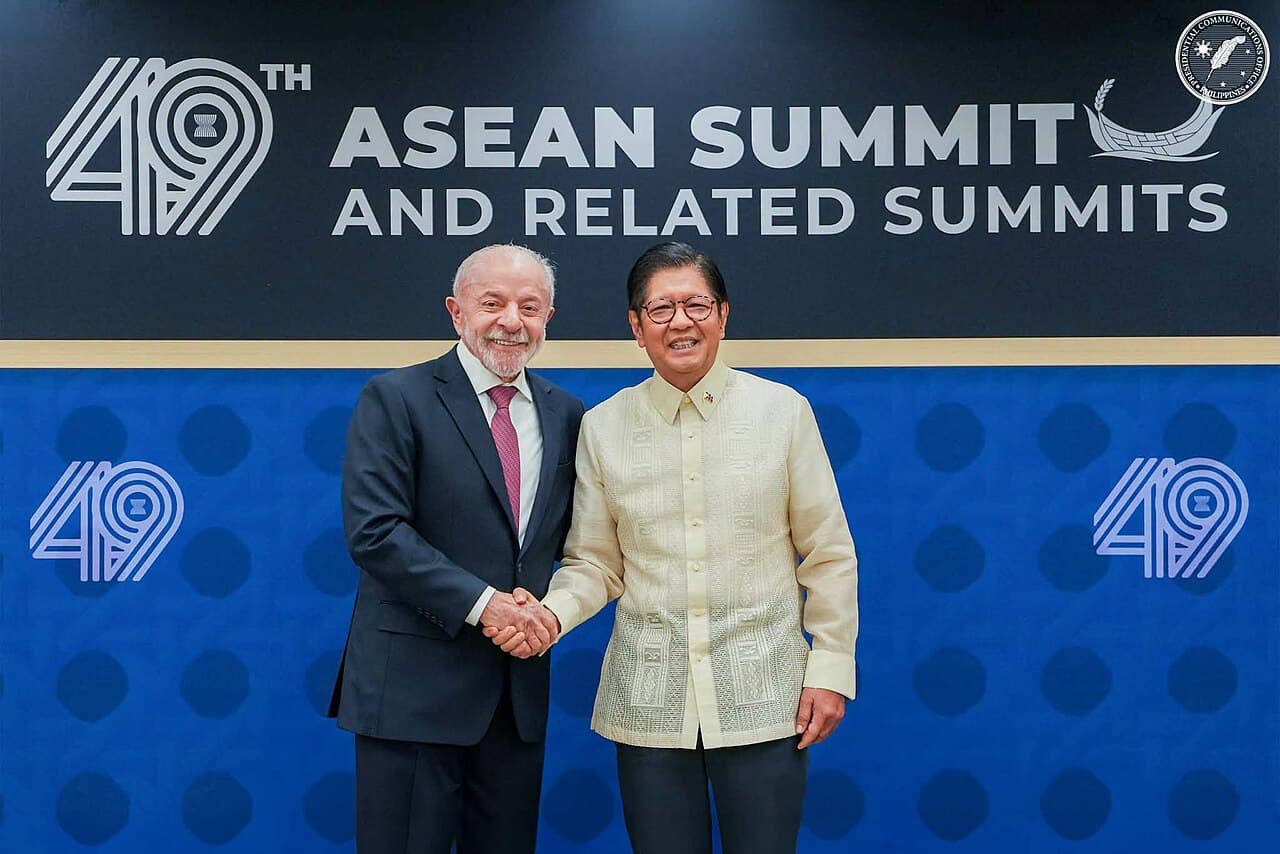 How Brazil Politics 2026 Reshapes Chip Chains with Philippine PivotBrazil pitches its massive rare earth reserves to the Philippines for chip assembly, bypassing U.S. trade routes under strict domestic processing rules.
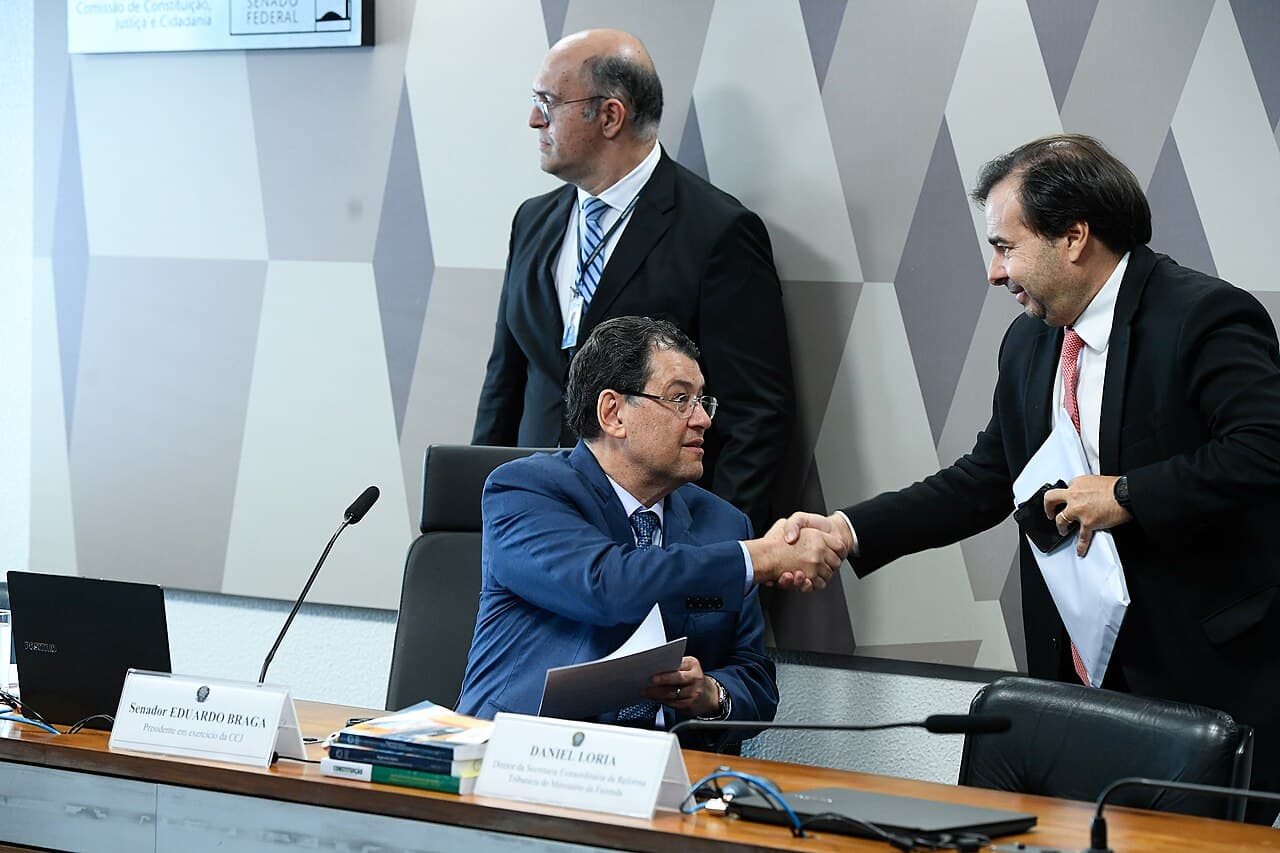 How Brazil Fiscal Deficit 2026 Bill Squeezes Corporate Cash FlowsA major $10 billion fiscal package passed by Brazil’s Senate on November 12, 2026, aims to curb spending but severely restricts corporate tax credits.