
Why in Brazil Your Welcome Might Include Shorter Workweeks
A major shift cutting Brazil's maximum workweek from 44 to 42 hours starting December 16, 2026, remains active despite a Supreme Court procedural reset.
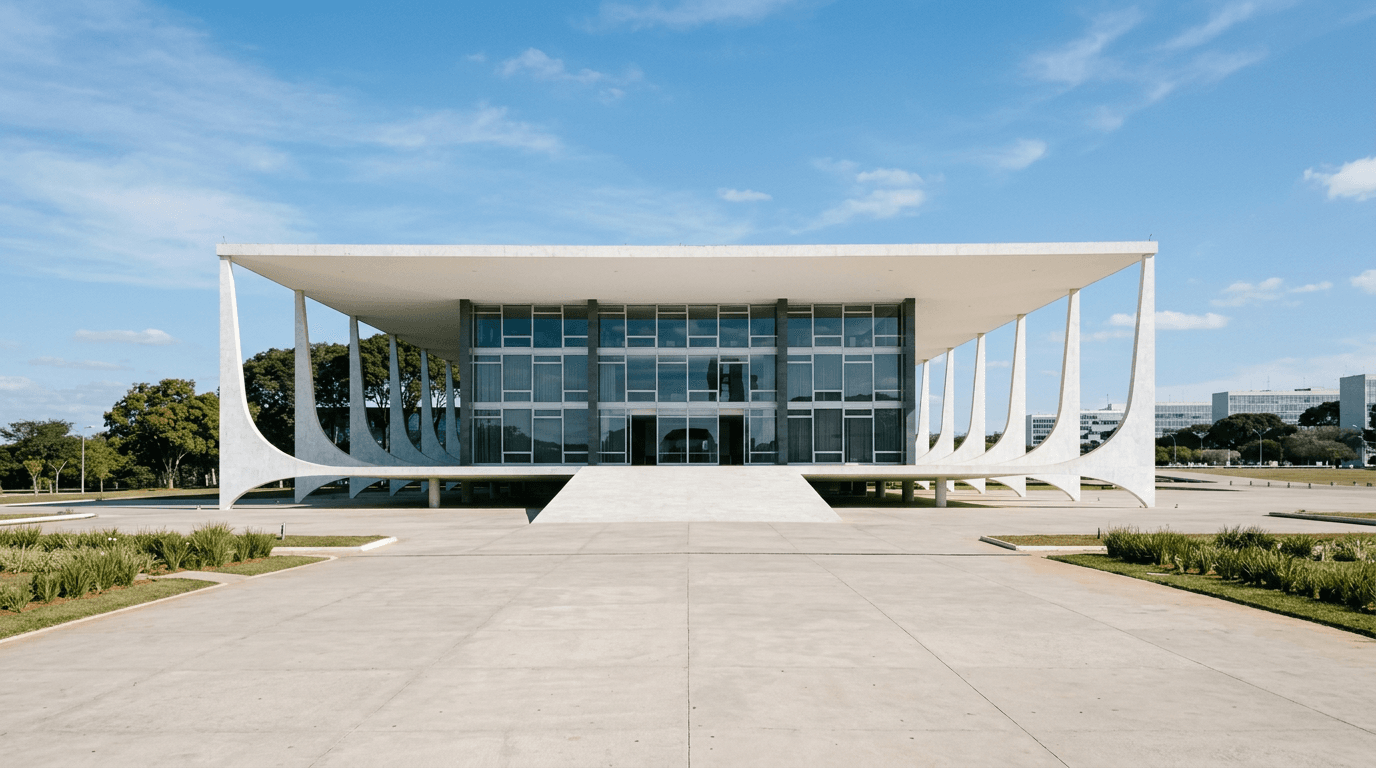
For global investors holding major New York-listed retail or banking equities, a looming regulatory change in South America’s largest economy is set to increase operating overhead starting on December 16, 2026, when a transition to cut the maximum workweek from 44 to 42 hours begins, according to a report by G1 on November 14, 2026.
In Brazil, the Supreme Federal Court (STF) is currently reviewing a federally mandated transition from the traditional six-day workweek to a five-day model, which will directly impact retail chains and financial institutions, as detailed by G1 on November 14, 2026. On November 14, 2026, Supreme Court Justice Luiz Fux suspended the ongoing virtual trial regarding the transition rules and transferred the case to the physical courtroom, according to a report by G1 on November 14, 2026. This tactical maneuver, known as a "destaque," wiped out a preliminary 4-0 vote in favor of the rules that had accumulated in the virtual voting chamber, as reported by CNN Brasil on November 14, 2026.
The legal mechanics of the workweek shift
While the vote count is reset to zero, per a report by CNN Brasil on November 14, 2026, the underlying injunction written by Justice Flávio Dino remains active, keeping the transition's start date in force. Under the active injunction, the maximum weekly working hours will fall from 44 to 42 hours on December 16, 2026, and must be further reduced to 40 hours by December 2027, according to the transition guidelines cited by CNN Brasil on November 14, 2026. To help businesses adjust, Dino's ruling permits companies to distribute the 42 hours across five daily shifts of up to 8 hours and 24 minutes without paying overtime, applying even if no collective bargaining agreement is reached by December 15, 2026, per the report by G1 on November 14, 2026.
This transition significantly increases labor overhead for labor-intensive sectors like retail and banking, which rely heavily on continuous shifts. Because the reduction in hours cannot be accompanied by any salary cuts under Brazilian labor laws, businesses face either paying overtime for the missing hours or hiring additional staff to cover weekend shifts. Industry groups, including the National Confederation of Commerce (CNC), have raised concerns about the tight timeline and operational challenges, as detailed by CNN Brasil on November 14, 2026.
Going forward, international investors should monitor when Supreme Court President Edson Fachin schedules the physical plenary session to debate the final constitutionality of the rules. The court's ultimate decision will determine whether the transition's initial December 16, 2026, start date stands or is postponed, as well as whether any sector-specific exemptions will be granted, according to a report by G1 on November 14, 2026.
In your brokerage app
For retail investors holding Brazilian assets, this regulatory transition directly impacts companies that have heavy labor footprints in the country. This includes e-commerce giant MercadoLibre, listed in New York, and major private lenders like Itaú Unibanco and Banco Bradesco, both listed in New York, which may see their operational margins squeezed by the mandated hour reductions. The iShares MSCI Brazil ETF, which represents the broader Brazilian stock market and holds significant weightings in these financial and consumer discretionary stocks, could also see pressure as these higher labor costs materialize.
Related coverage
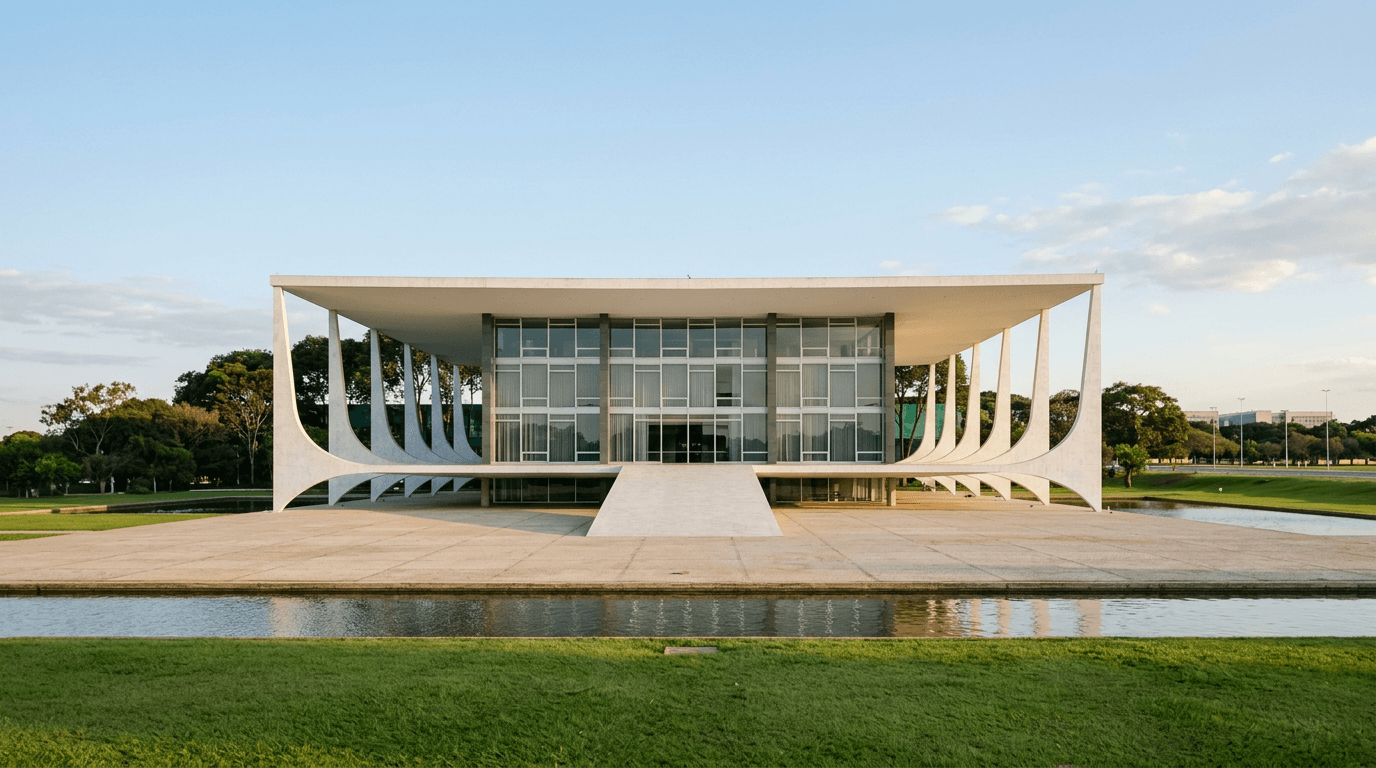 Court Delay on Brazil Shorter Workweek Eases Corporate PressuresSupreme Court Justice Luiz Fux halts a virtual trial on Brazil's 6x1 to 5x2 workweek transition, resetting votes but leaving a temporary December start date active.
 US Tech Investors Track Brazil Semiconductor Industry PushBrazilian President Lula proposed integrating the nation's critical minerals with the Philippine chip sector to create new South-South tech supply chains.
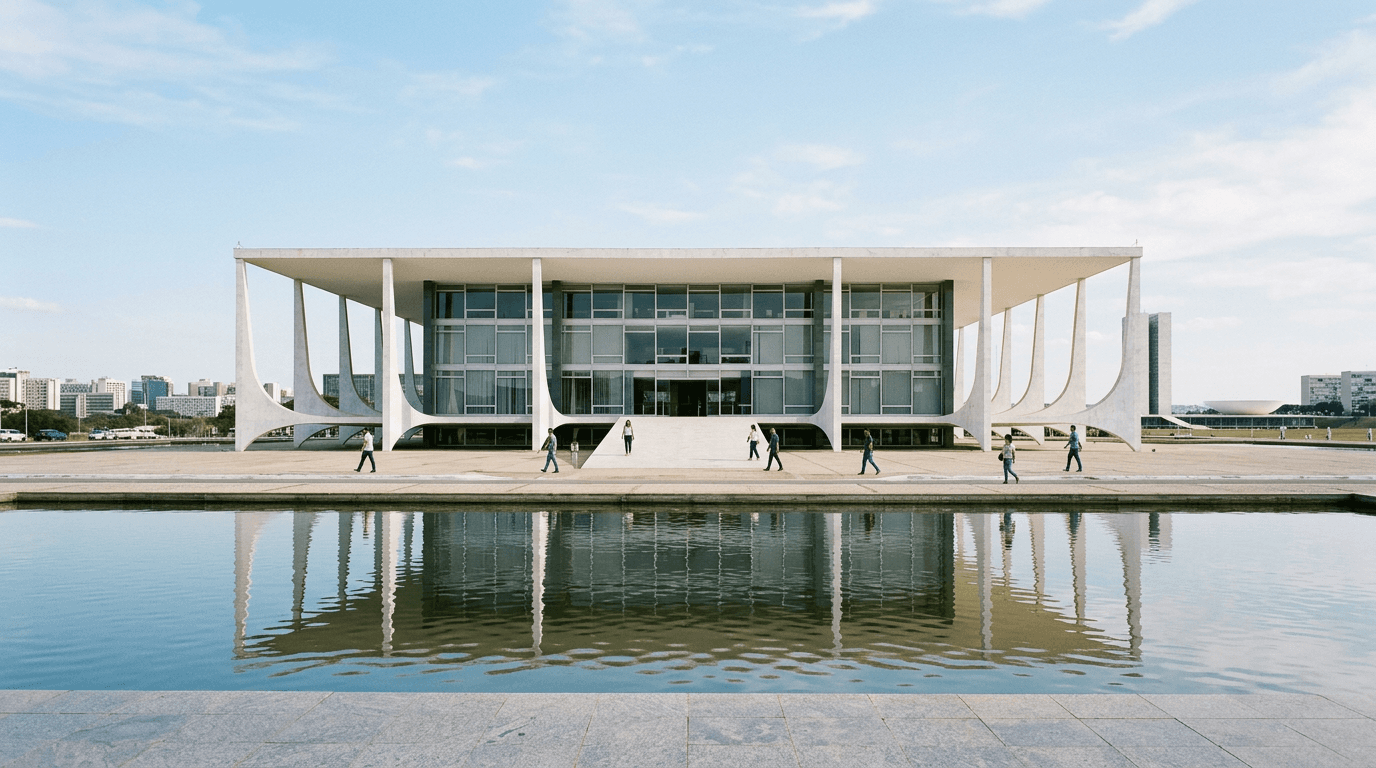 Senator's Escape to Florida Heightens Brazil Geopolitical RiskSenator Flávio Bolsonaro's sudden flight to Florida after his election defeat defies a Supreme Court passport order and escalates political tensions.