
Why a sweep of each brazil regulatory agency matters to US investors
President Lula will fill 73 regulatory and Central Bank seats starting January 2027, resolving bottlenecks but introducing major policy uncertainty.
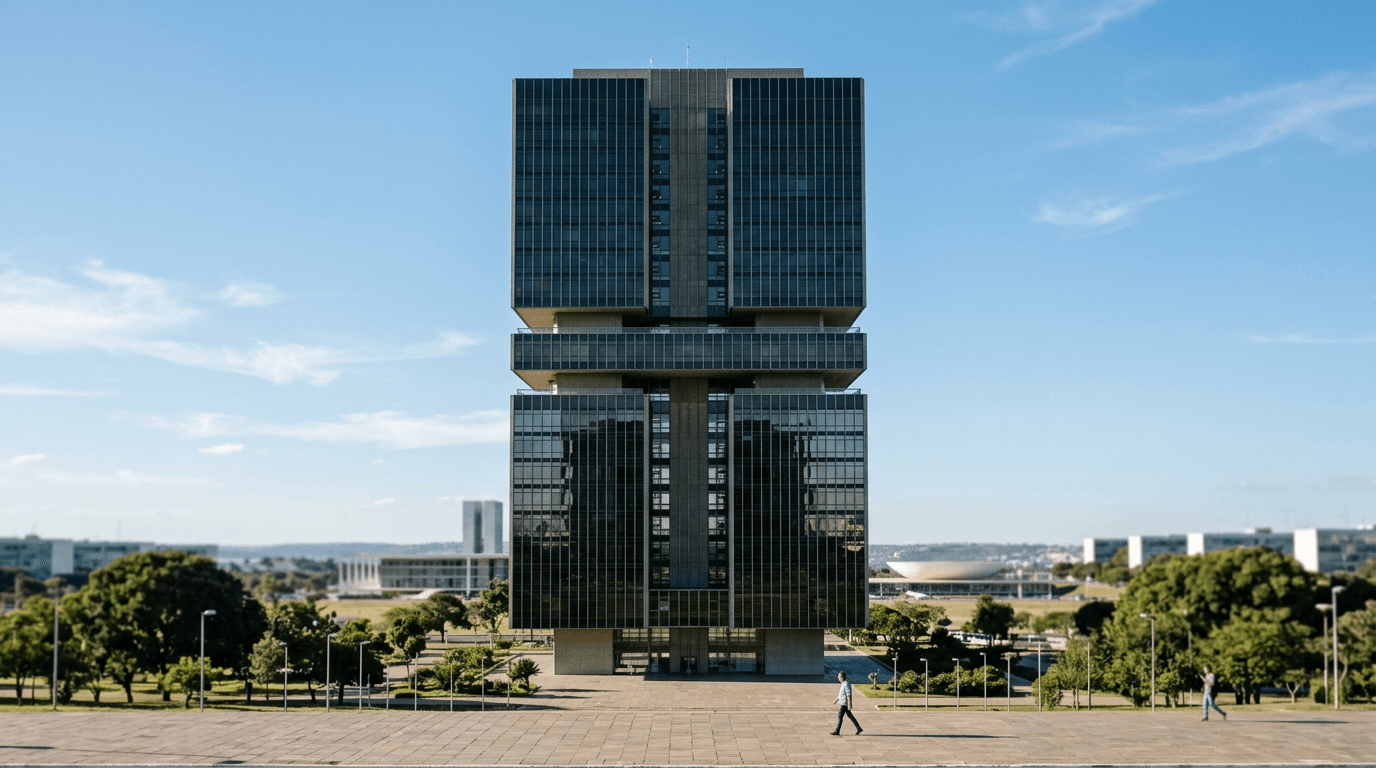
American investors holding shares in foreign energy giants, water utilities, or broad emerging market exchange-traded funds face a major wave of policy uncertainty as the boards governing these businesses undergo a complete administrative overhaul. A massive transition is set to reshape the bodies that dictate corporate merger approvals, electricity tariffs, and oil drilling rights. This overhaul could shift the operating landscape for some of the most widely held international assets.
Starting January 5, 2027, newly re-elected Brazilian President Luiz Inácio Lula da Silva will have the power to fill 73 director-level appointments across the nation's federal regulatory agencies and the Central Bank, according to a report by TV Sim Brasil on November 15, 2026. This executive sweep includes 62 board seats across 12 distinct watchdogs—such as oil regulator ANP, power regulator Aneel, and telecom regulator Anatel—and 11 seats inside the Central Bank, per the same November 15, 2026 report.
These authorities act as the key economic arbiters in South America’s largest economy, establishing the rules of the game for private and state-owned operators alike. However, a severe administrative bottleneck has already formed, with 21 out of the 62 regulatory director positions currently vacant or occupied by interim heads, per the November 15, 2026 report by Spacemoney. These vacancies have left many boards struggling to reach a voting quorum, causing long delays for infrastructure licensing, environmental permits, and corporate reviews.
Resolving this backlog will trigger intense political bargaining rather than a straightforward administrative transition. Under Brazilian law, every single nominee for a brazil regulatory agency or the Central Bank must undergo a public hearing and receive formal approval from the Senate, as reported by TV Sim Brasil on November 15, 2026. This confirmation process grants immense leverage to the "Centrão," a pragmatic coalition of center and center-right parties that dominates the legislature. Senate leaders have already signaled their intent to use these seats as currency, trading confirmation votes for political influence or local spending concessions.
The composition of these boards will directly impact sectoral policy. At power regulator Aneel, new directors will decide electricity transmission tariffs, while ANP will manage natural gas deregulation and offshore oil concessions. Inside the Central Bank, the entry of new board members appointed by Lula could gradually alter the consensus on monetary policy, especially since the president has repeatedly criticized the institution's commitment to high interest rates, which stood at a benchmark Selic rate of 13.75% in late 2026, according to Central Bank data.
Investors should watch the initial round of Senate confirmation hearings in early 2027 to see if the administration appoints moderate, technically minded directors or if it yields to political patronage. The profile of these nominees will offer the earliest signal of whether Brazil's regulatory bottlenecks will be smoothly resolved or if policy volatility is set to increase for global capital.
In your brokerage app
US retail investors holding American Depositary Receipts (ADRs) of Brazilian state-controlled companies like oil giant Petrobras (listed in New York as PBR) or water utility Sabesp (listed as SBS) have a direct stake in these appointments. Shifting majorities on these regulatory boards can directly influence capital expenditure mandates, utility rate formulas, and dividend distributions, which are reflected in broader country funds like the iShares MSCI Brazil ETF (EWZ).
Related coverage
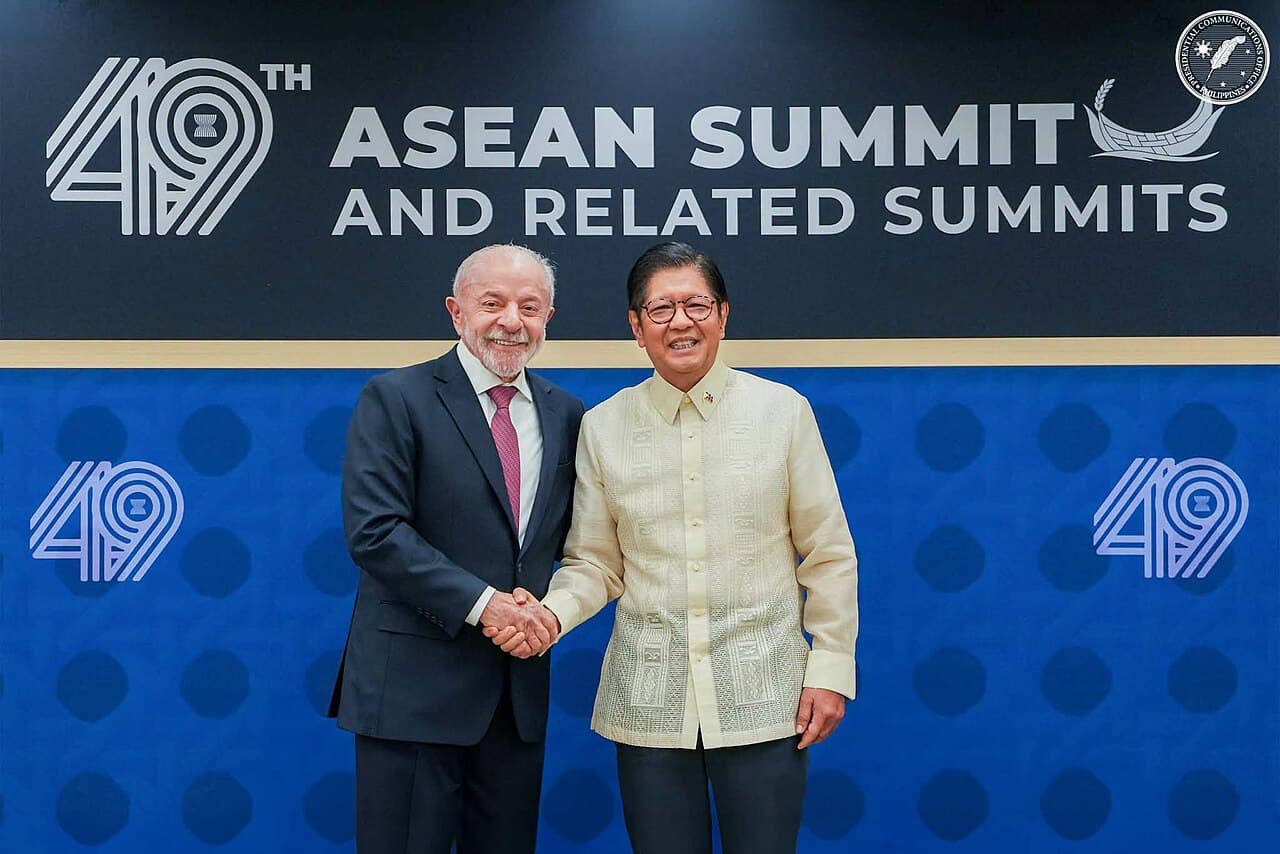 How Brazil Politics 2026 Reshapes Chip Chains with Philippine PivotBrazil pitches its massive rare earth reserves to the Philippines for chip assembly, bypassing U.S. trade routes under strict domestic processing rules.
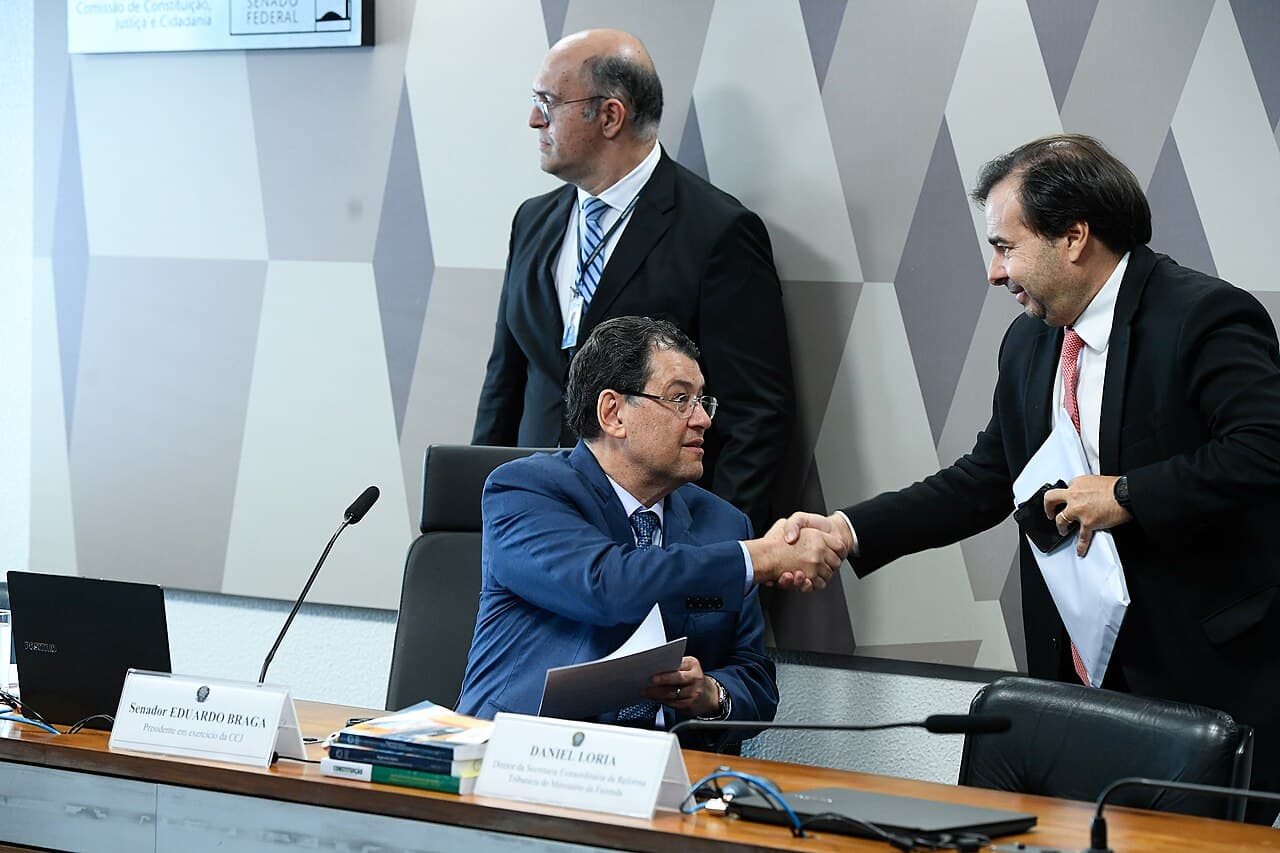 How Brazil Fiscal Deficit 2026 Bill Squeezes Corporate Cash FlowsA major $10 billion fiscal package passed by Brazil’s Senate on November 12, 2026, aims to curb spending but severely restricts corporate tax credits.
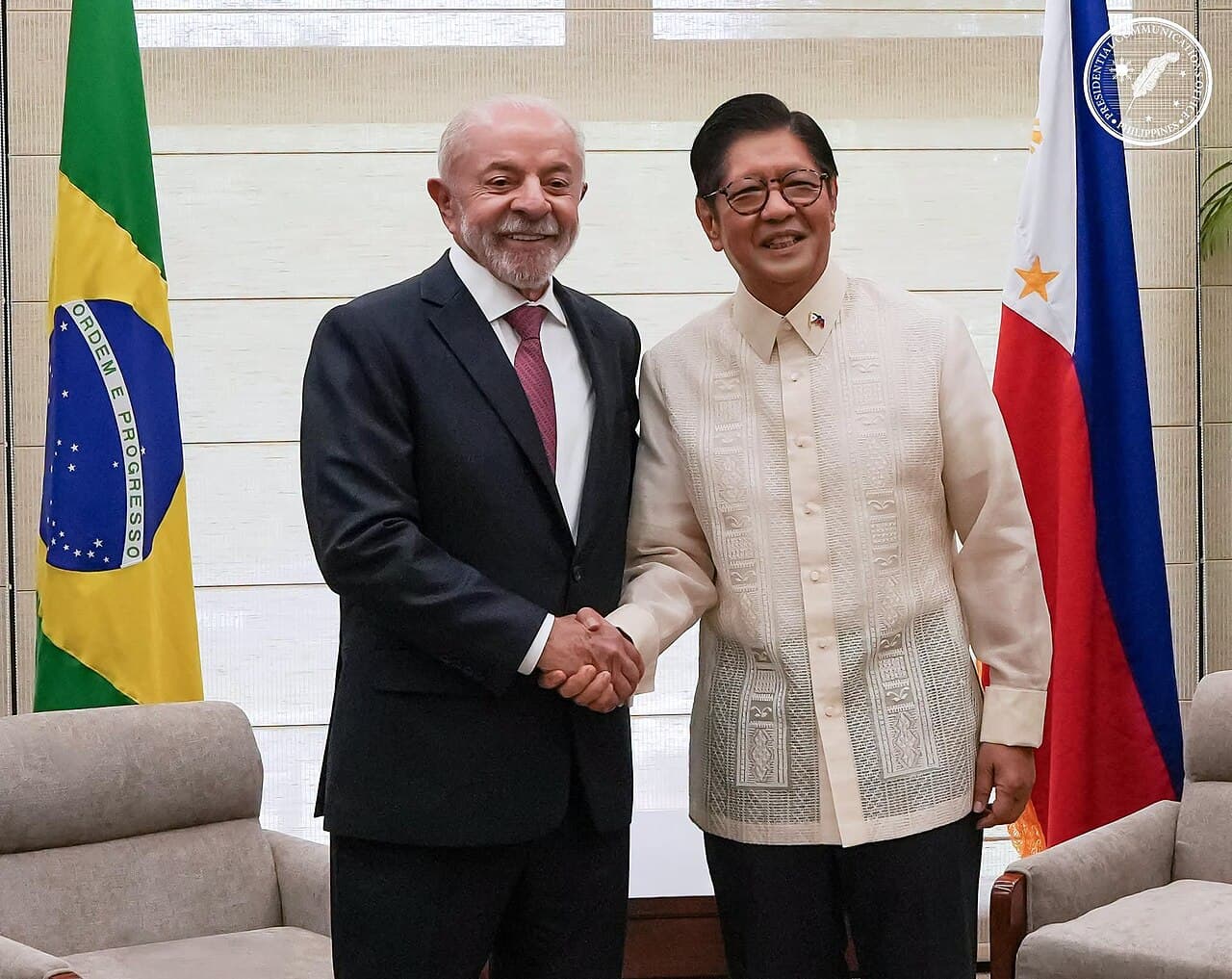 Why Brazil Conditions Rare Earth Mining on Local ProcessingBrazil conditions future rare earth and critical mineral concessions on local processing to build batteries and chips, shaking up global mining investments.