

Senate Passes Fiscal Bill Capping Federal Spending and Tax Credits
The Brazilian Senate has approved the PLP 299/2026 fiscal package, capping spending growth while limiting corporate tax credits to raise federal revenue.

Key takeaways
- The Brazilian Senate approved the PLP 299/2026 fiscal package by 69 votes to 2 on November 18, 2026, per Agência Brasil
- The package is projected to yield an average R$ 50 billion fiscal balance improvement for 2027, per Poder360 on November 19, 2026
- The bill limits federal spending growth to 2% whenever fiscal containment triggers are activated, per Agência Brasil on November 18, 2026
- Corporate tax credit curbs are projected to raise between R$ 12.8 billion and R$ 18.3 billion in 2027, per Poder360 on November 19, 2026
American retail investors holding broad exposure to emerging market equities are facing a shifting landscape in corporate profitability and public debt management after a major legislative breakthrough on Wednesday night. The final passage of a sweeping fiscal stabilization package caps public spending growth but simultaneously triggers restrictive tax credit limits that will directly squeeze corporate bottom lines.
On November 18, 2026, the Brazilian Senate approved the PLP 299/2026 fiscal adjustment bill, widely known as the "Plano Moretti," after rejecting three critical amendments proposed by the opposition, according to Agência Brasil. The approved measures, which now head to the Chamber of Deputies, are projected to generate a fiscal balance improvement of R$ 45.1 billion to R$ 56.1 billion in 2027, yielding an expected net benefit of roughly R$ 50 billion after a compromise on state-level tax concessions, as reported by Poder360 on November 19, 2026.
The fiscal package works through two main mechanisms. First, it lowers the real growth limit of federal public expenses from 2.5% to 2% whenever fiscal containment triggers are pulled due to revenue shortfalls. Second, to generate the remaining two-thirds of the fiscal adjustment, the bill caps the amount of tax credits that local corporations can use to offset their federal tax obligations, according to details of the legislation reported by Poder360 on November 19, 2026. This tax credit limitation is expected to generate between R$ 12.8 billion and R$ 18.3 billion in extra government revenue in 2027, effectively transferring the fiscal burden onto the private sector.
This dual-track approach highlights the ongoing tension in economic policymaking under President Luiz Inácio Lula da Silva. While the spending cap satisfies some of the calls for fiscal discipline, market economists argue that relying heavily on tax increases and corporate credit limits rather than deeper structural spending cuts may undermine long-term capital investments. The legislation now heads to the Chamber of Deputies, where the lower house president, Hugo Motta, has committed to scheduling an immediate vote, with government leaders targeting passage on November 24, 2026, according to Agência Brasil reporting on November 18, 2026.
In your brokerage app
For US retail investors, this fiscal compromise directly impacts the ishares msci brazil etf stock, a key fund listed in New York that tracks the largest publicly traded corporations in Brazil. Whether holding this specific ishares brazil msci etf or using other emerging market vehicles to capture South American exposure, the simultaneous curbs on corporate tax credits mean that the largest holdings within the ishares brazil msci universe may face higher tax bills in 2027, potentially dampening their earnings growth.
Related coverage
 Agribusiness Exporters Shield Billions in Brazil Senate Fiscal VoteBrazilian Senate shields exporter tax credits in a major fiscal bill vote, protecting over R$ 11.2 billion in cash for soy and meat giants.
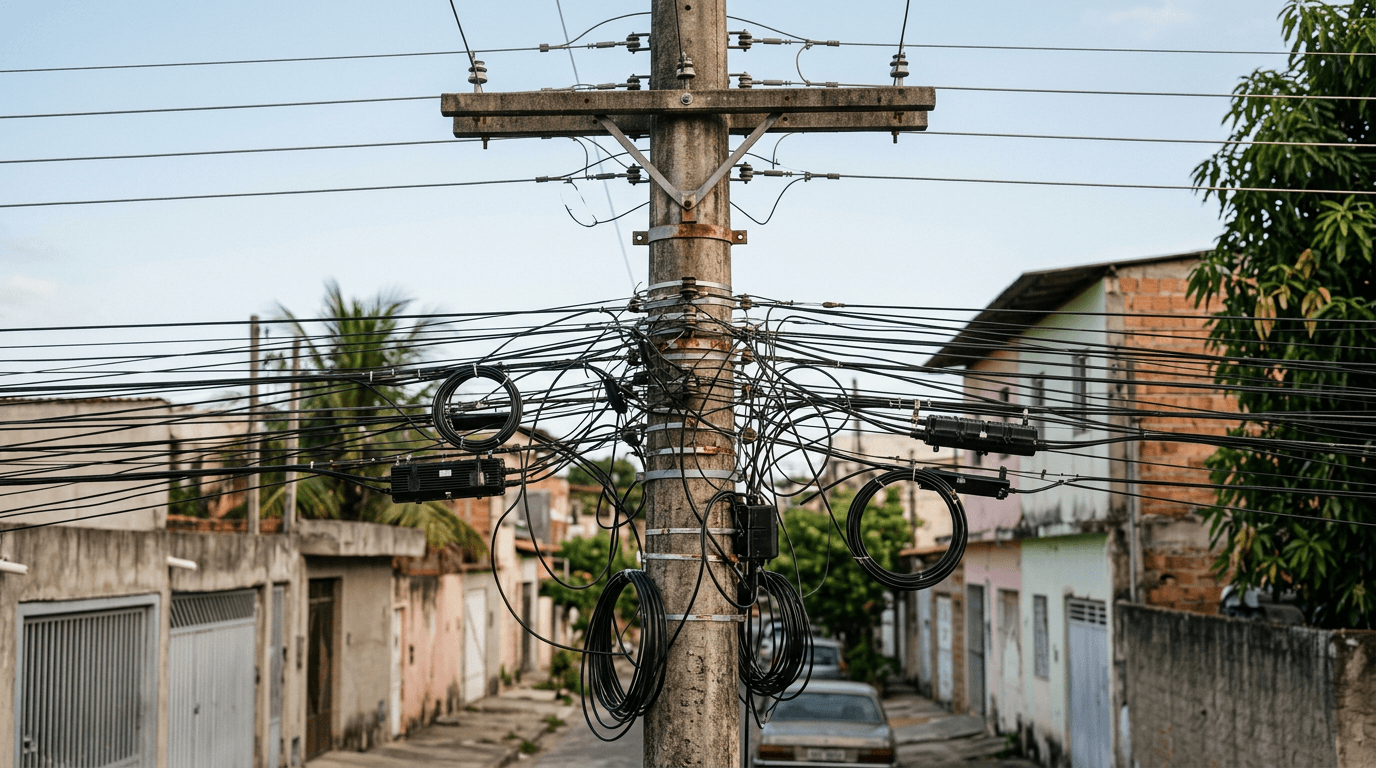 Utility Pole Rental Caps Approved as Infrastructure Bill Passes SenateBrazil's Senate approved a bill on Nov 18, 2026, capping utility pole rents to stabilize margins and streamline grid management for utility and telecom ADRs.
 New Fiscal Rules Clear Senate to Shore Up Sovereign FinancesThe Brazilian Senate passed a R$ 56 billion fiscal package, capping spending growth and shoring up sovereign credit risk for global investors.