

Speculators Hold Large Soybean Net-Long Position as Brazil Planting Advances
CFTC data shows non-commercial traders held a net-long position of 146,550 CBOT soybean contracts as of November 10, 2026, amid rapid planting in Brazil.
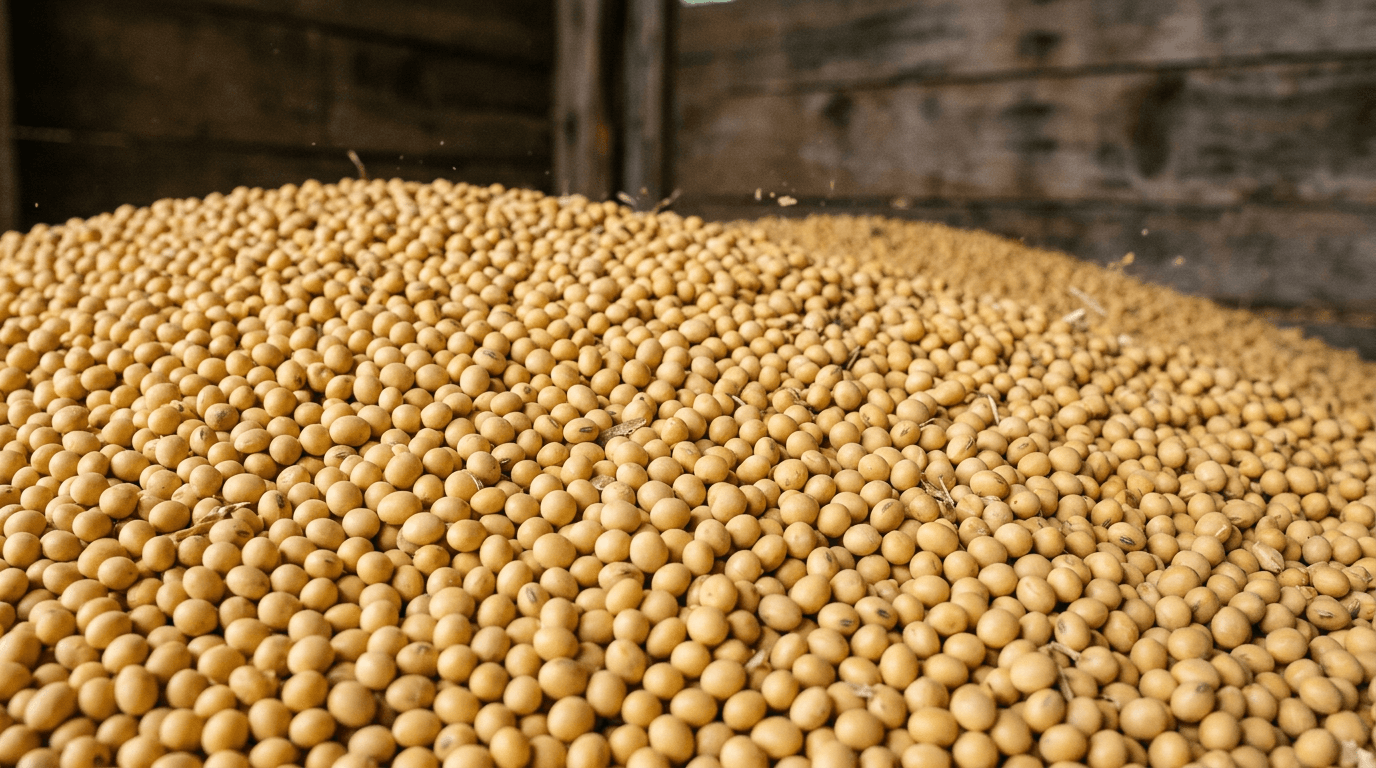
Key takeaways
- Non-commercial traders held a net-long position of 146,550 soybean contracts, per the CFTC on November 10, 2026
- Total open interest in CBOT soybean contracts reached 973,693, per the CFTC on November 10, 2026
- Brazil soybean planting reached 78% of the projected area, per AgRural on November 12, 2026
- The USDA maintained Brazil's soybean production forecast at 186 million metric tons, per its report on November 10, 2026
Large speculative commodity traders held a significant net-long position in Chicago Board of Trade soybean futures as of November 10, 2026, signaling that financial investors are keeping a close eye on the global agricultural supply chain. According to the weekly Commitments of Traders data released by the U.S. Commodity Futures Trading Commission for the week ending November 10, 2026, non-commercial investors held 239,768 long contracts compared to 93,218 short contracts. This positioning resulted in a net-long stance of 146,550 contracts out of a total market open interest of 973,693 contracts as of November 10, 2026, per the CFTC.
This heavy speculative activity in Chicago is fundamentally tied to the agricultural engine of South America. Brazil, the world's largest exporter of soybeans, is currently sowing its massive 2026/27 crop at an exceptionally rapid pace. Brazil's national supply company, Conab, reported on November 6, 2026, that national soybean planting had already reached 66.8% of the projected sowing area, compared to 59.0% at the same point in the previous year. Private agricultural consultancy AgRural further noted on November 12, 2026, that planting progress in Brazil’s key Center-South region had reached 78% of the projected crop area, demonstrating that the crop is going into the ground well ahead of historical averages.
A faster planting campaign typically limits the upside for global soybean prices because it reduces the risk of weather-related delays and allows the South American harvest to reach global ports earlier in 2027. Speculative long positions remain substantial because global supply balances are comfortable but tightly calibrated. On November 10, 2026, the U.S. Department of Agriculture maintained its forecast for Brazil's 2026/27 soybean production at a massive 186 million metric tons, while slightly revising the domestic U.S. soybean crop upward to a record 4.574 billion bushels in its World Agricultural Supply and Demand Estimates report released on November 10, 2026. This abundant global supply outlook explains why large speculative players maintain robust positions on both the long and short sides, reflecting a well-supplied forward balance rather than fears of immediate scarcity.
Going forward, the critical period for global commodity markets will be December 2026 and January 2027. While early planting progress has been excellent across central Brazilian states like Mato Grosso, final agricultural yields are determined during the sensitive pod-filling stage. Any unexpected weather disruptions, such as dry spells in central Brazil or excessive rainfall in southern states, could quickly trigger an unwinding of these speculative short bets or expand the net-long exposure of Chicago traders.
In your brokerage app
For retail investors watching these agricultural flows from a standard brokerage account, the weekly shifts in Chicago Board of Trade futures directly impact the net asset value of exchange-traded products like the Teucrium Soybean Fund, which tracks the price of CBOT soybean futures. These global supply dynamics and positioning trends also influence the earnings potential of major international agribusiness corporations listed in New York, such as Bunge Global SA and Archer-Daniels-Midland Company, which make their margins by crushing, processing, and transporting physical grain from South American fields to global consumers.
Related coverage
 US Importers Face Higher Costs as Brazil Seeks WTO Panel on TariffsUS importers face prolonged surcharges of up to 37.5% after bilateral talks failed, prompting Brazil to request a formal WTO dispute panel.
 Dollar Rockets Past 5.90 Reais, Dragging Down US-Listed Brazil ETFUS-listed Brazil ETF holders face currency headwinds as a $1 billion central bank intervention fails to stop the dollar from surging past 5.90 reais.
 JBS US Shares Target 50% Upside at Itaú BBA Despite Q3 Profit DropItaú BBA reiterated its buy rating on NYSE-listed JBS N.V. with an $18 price target, pointing to a projected earnings turnaround starting in late 2026.