

Agribusiness Exporters Shield Billions in Brazil Senate Fiscal Vote
Brazilian Senate shields exporter tax credits in a major fiscal bill vote, protecting over R$ 11.2 billion in cash for soy and meat giants.

Key takeaways
- Brazilian Senate approved a tax-credit shield in fiscal bill PLP 299/2026, protecting over R$ 11.2 billion in corporate cash, per AgFeed on November 18, 2026
- Soy processing group Abiove secured R$ 7 billion in legacy tax credits, per AgFeed on November 18, 2026
- Beef exporters protected R$ 4.2 billion in tax assets, per AgFeed on November 18, 2026
If you own shares of global meatpacker JBS or other multinational grain and livestock exporters, a late-night legislative vote in Brasília has neutralized a multi-billion-dollar threat to corporate cash flows.
During a November 18, 2026 vote on the government's flagship fiscal adjustment bill, known as PLP 299/2026, the Brazilian Senate approved a crucial amendment protecting agribusiness exporters' accumulated tax credits from a looming federal cash grab. The measure, led by Senator Tereza Cristina, shields legacy PIS/Cofins tax credits from unilateral executive reduction before they constitutionally expire on December 31, 2026, as reported by AgFeed.
The issue stems from a structural feature of Brazil's tax code. To keep exports globally competitive, the constitution exempts foreign sales from domestic taxes. However, exporters still pay taxes on domestic inputs like raw grain, livestock, and machinery, leading to a massive accumulation of PIS/Cofins credits. Companies rely on a mechanism called cross-compensation to use these credits to offset other federal liabilities, such as corporate income tax and payroll levies. The original draft of PLP 299/2026, designed to improve the 2027 primary budget balance by an estimated R$ 45.1 billion to R$ 56.1 billion, according to government projections reported by AgFeed on November 18, 2026, gave the Executive branch authority to restrict these offsets to meet its fiscal targets, effectively locking up corporate cash.
The approved amendment closes this loophole, ensuring that the fiscal adjustment does not drain working capital from brazil agribusiness. A leading brazil agribusiness group, the soy processing association Abiove, estimated that its member companies held R$ 7 billion in legacy PIS/Cofins credits, while beef export representatives calculated their sector's exposure at R$ 4.2 billion, according to data cited on November 18, 2026, by AgFeed. In total, the shield protects over R$ 11.2 billion ($1.9 billion USD) in corporate liquidity across just these two sectors, based on industry figures reported by AgFeed on November 18, 2026.
The overall fiscal bill passed the Senate in a supplementary round by a 69-to-2 margin, as recorded by the Senate on November 18, 2026, and now moves to the Chamber of Deputies, where a final vote is expected in the coming week. While the amendment secures legacy tax assets from the transition to Brazil's new value-added tax system starting in 2027, industry representatives remain alert to how newly generated credits will be treated under the updated framework.
In your brokerage app
Investors holding shares of Brazilian meatpacking giant JBS S.A., which trades via American Depositary Receipts listed in New York, should monitor this legislative development. The preservation of these tax credits directly protects the balance sheets of major exporters from sudden cash-flow shocks, though the final bill must still clear the lower house before it can be signed into law.
Related coverage
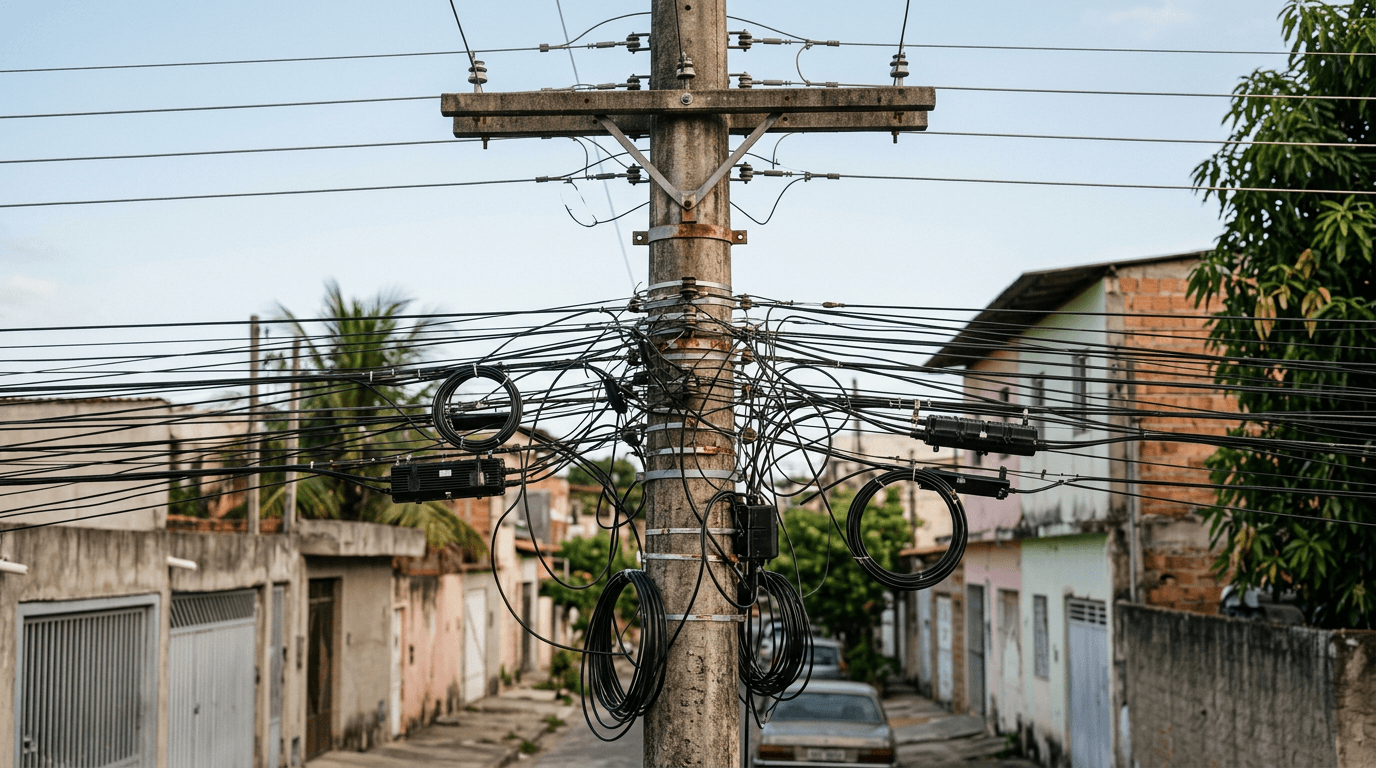 Utility Pole Rental Caps Approved as Infrastructure Bill Passes SenateBrazil's Senate approved a bill on Nov 18, 2026, capping utility pole rents to stabilize margins and streamline grid management for utility and telecom ADRs.
 New Fiscal Rules Clear Senate to Shore Up Sovereign FinancesThe Brazilian Senate passed a R$ 56 billion fiscal package, capping spending growth and shoring up sovereign credit risk for global investors.
 Senate Passes R$56B Fiscal Package to Curb Corporate Tax CreditsBrazil's Senate approved the PLP 299/2026 fiscal package on November 18, 2026, restricting corporate tax credits and cutting spending caps.