

New Fiscal Rules Clear Senate to Shore Up Sovereign Finances
The Brazilian Senate passed a R$ 56 billion fiscal package, capping spending growth and shoring up sovereign credit risk for global investors.

Key takeaways
- Brazilian Senate approved the PLP 299/2026 fiscal package on November 18, 2026, in a final 69-2 supplementary vote, per Senado Notícias.
- The Ministry of Planning estimated a 2027 primary budget balance improvement of R$ 45.1 billion to R$ 56.1 billion, per Senado Notícias on November 18, 2026.
- The Senate reduced the federal spending growth cap from 2.5% to 2.0% above inflation during active containment years, per PLP 299/2026 text on November 18, 2026.
- Chamber President Hugo Motta scheduled an extraordinary session to debate the bill on November 23, 2026, per the Lower House on November 18, 2026.
For American retail investors holding emerging market funds, sovereign credit risk has long been the primary wildcard when holding Latin American assets. When a foreign investor assesses exposure, the stability of a country's public finances and its domestic currency is often more decisive than individual corporate performance. That risk premium took a step down this week as the Brazilian government moved closer to locking in structural spending caps designed to stabilize its public debt.
On November 18, 2026, the Brazilian Senate concluded the voting process on the key PLP 299/2026 fiscal package, rejecting all major opposition amendments in a final supplementary vote of 69 to 2, according to the official Senado Notícias. The Ministry of Planning and Budget estimated on November 18, 2026, that the legislation will improve Brazil's 2027 primary budget balance by R$ 45.1 billion to R$ 56.1 billion. This consolidation translates to roughly $7.76 billion to $9.66 billion based on the central bank's PTAX rate of 5.8102 reals per dollar on November 19, 2026.
At the heart of the legislation is a tighter mechanism to govern how the federal government manages its public finances. Under the approved package, the real growth limit for primary federal spending will drop from 2.5% to 2.0% above inflation in years when preventative fiscal containment measures are active, according to the final text approved on November 18, 2026. By capping secondary expenditure growth, the law aims to prevent the structural deficits that have historically pressured the Brazilian currency and driven up domestic interest rates.
To secure the overwhelming majority, the Senate's rapporteur, Senator Eduardo Braga, negotiated minor compromises with opposition lawmakers. Under a compromise reached on November 18, 2026, the Senate raised the minimum annual federal transfers under the Kandir Law—which compensates states for export-tax exemptions—from R$ 1 billion to R$ 2 billion, while preserving a key restriction on corporate tax credits that the government estimated on November 18, 2026, prevents a revenue loss of up to R$ 18.3 billion. The government successfully blocked broader opposition efforts to dilute the bill, preserving the core of its budget consolidation measures.
The legislation now heads to the Chamber of Deputies, where the lower house is scheduled to fast-track its review. Chamber President Hugo Motta announced on November 18, 2026, that he will convene an extraordinary session on Monday, November 23, 2026, to begin debating the package, signaling a push to fully pass the measures before the end of the legislative year.
In your brokerage app
For retail investors holding the iShares MSCI Brazil ETF, which trades under the ticker EWZ, this legislative progress is a key indicator of sovereign risk trajectory. While domestic fiscal adjustments do not immediately alter corporate earnings, a more stable fiscal outlook generally reduces the currency risk premium on the Brazilian real. A stronger real bolsters the net asset value of dollar-denominated emerging market funds, mitigating the currency depreciation that often erodes paper gains for foreign asset holders.
Related coverage
 Agribusiness Exporters Shield Billions in Brazil Senate Fiscal VoteBrazilian Senate shields exporter tax credits in a major fiscal bill vote, protecting over R$ 11.2 billion in cash for soy and meat giants.
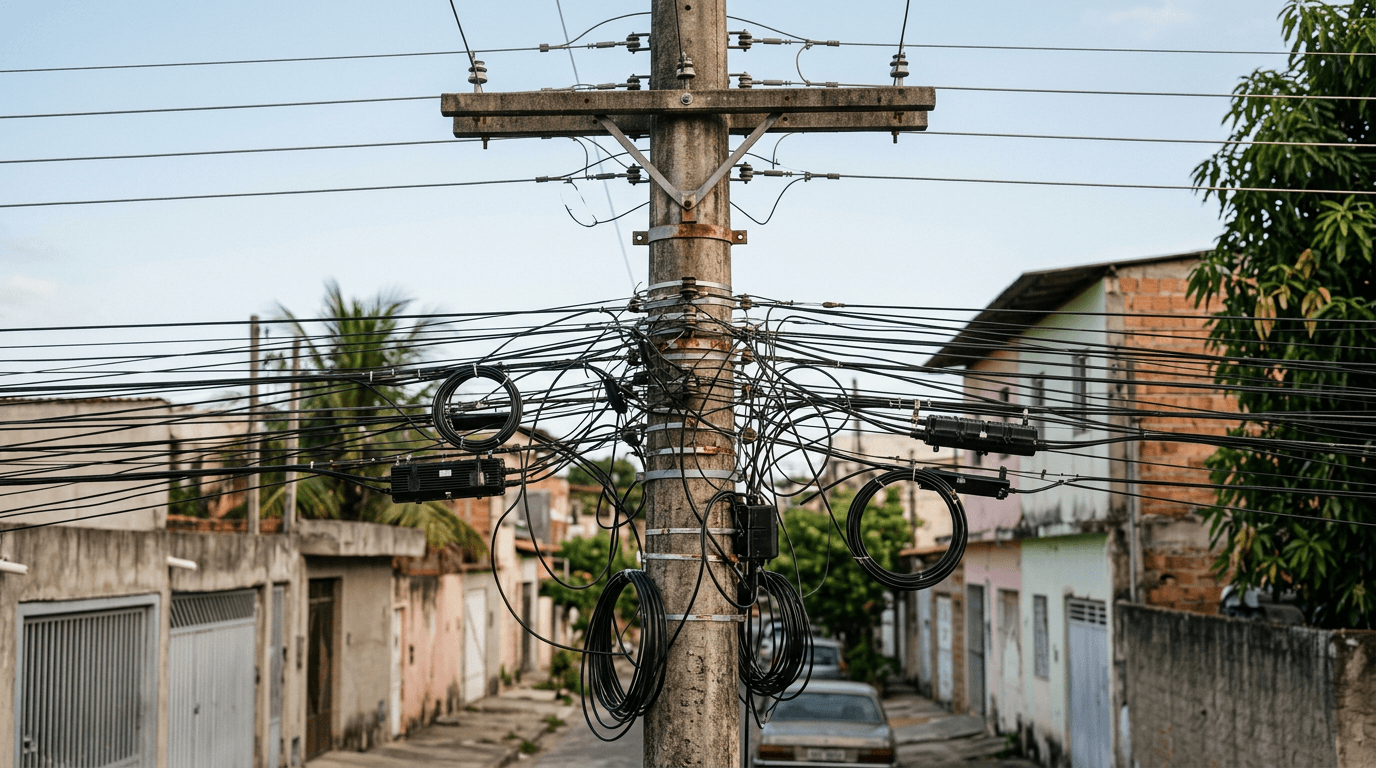 Utility Pole Rental Caps Approved as Infrastructure Bill Passes SenateBrazil's Senate approved a bill on Nov 18, 2026, capping utility pole rents to stabilize margins and streamline grid management for utility and telecom ADRs.
 Senate Passes R$56B Fiscal Package to Curb Corporate Tax CreditsBrazil's Senate approved the PLP 299/2026 fiscal package on November 18, 2026, restricting corporate tax credits and cutting spending caps.