
Lula and Flávio Bolsonaro Skip Final TV Globo Presidential Debate
Brazil's two leading presidential candidates pull out of the final TV Globo debate on the eve of the election, following a series of judicial interventions.
Brazil’s highly polarized presidential race was thrown into further turmoil on October 1, 2026, when both front-running candidates—incumbent President Luiz Inácio Lula da Silva and his main challenger, Senator Flávio Bolsonaro—withdrew from the final, crucial television debate. The sudden cancellations leave Brazilian voters without a head-to-head matchup on TV Globo, the country's most-watched network, just three days before the first-round vote on Sunday, October 4.
The chain of events began when President Lula declined to attend the TV Globo debate, opting instead to participate in a live, three-hour interview on the popular Flow Podcast. Seeking to insulate the president from being the sole target of attacks by multiple conservative rivals on stage, Lula's campaign chose the digital platform to bypass the traditional broadcast format.
The political calculus shifted rapidly following two major judicial rulings on Thursday afternoon. First, the Superior Electoral Court (TSE) issued an injunction prohibiting TV Globo from displaying an empty podium representing Lula or allowing other candidates to direct questions to his absent seat. This ruling dismantled the strategy of Flávio Bolsonaro's campaign, which had planned to use the empty chair as a visual symbol to attack the president's absence.
Shortly thereafter, Supreme Court (STF) Justice Gilmar Mendes issued an order forcing TV Globo to include Renan Santos, a candidate from the right-wing Missão party, in the debate lineup. Santos, a vocal and aggressive critic of the Bolsonaro family, had previously been excluded by the network due to his party's lack of congressional representation.
Fearing he would be caught in a political crossfire without the ability to leverage Lula's absence, Flávio Bolsonaro announced his withdrawal from the debate on social media, calling the judicial interventions "censorship". The twin exits leave the remaining lower-tier candidates to debate among themselves, depriving millions of undecided voters of a direct confrontation between the race's primary contenders.
Related coverage
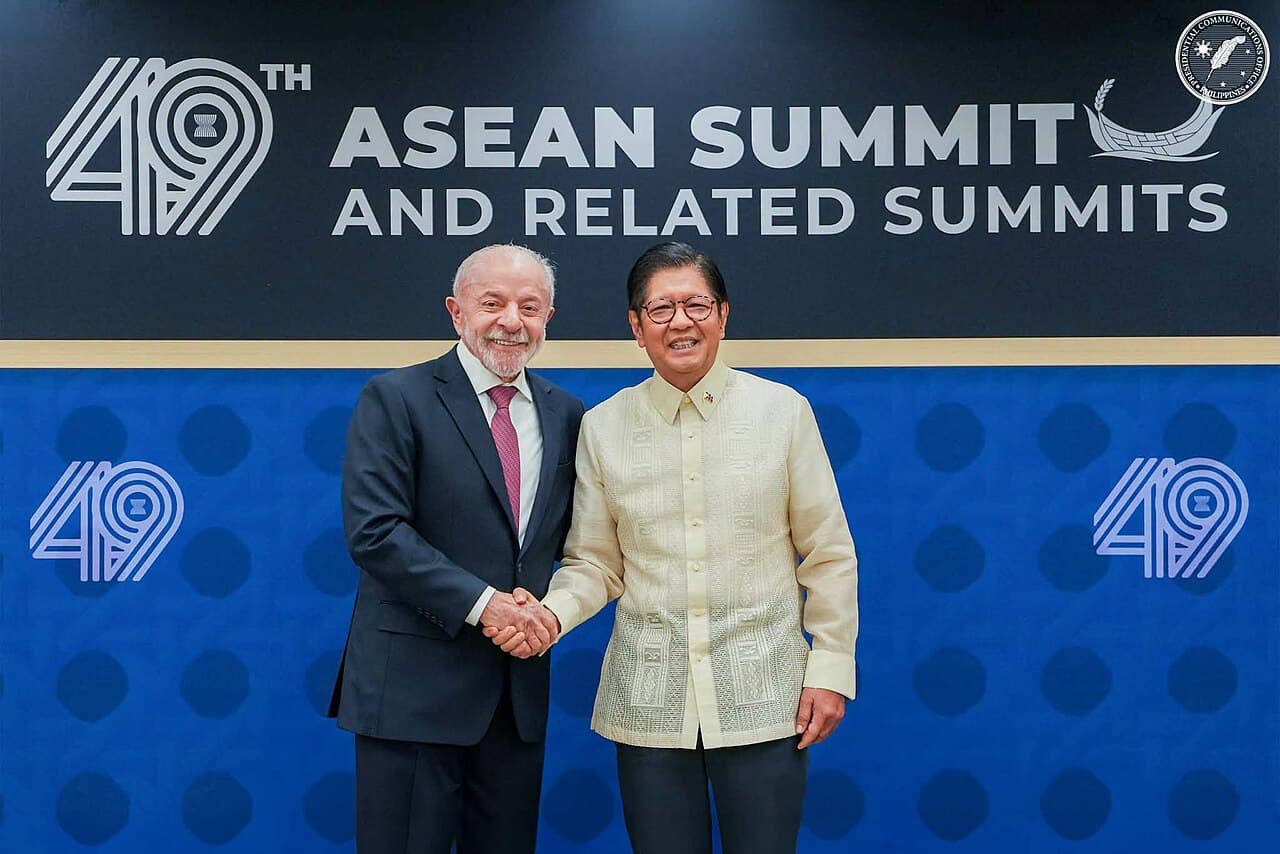 How Brazil Politics 2026 Reshapes Chip Chains with Philippine PivotBrazil pitches its massive rare earth reserves to the Philippines for chip assembly, bypassing U.S. trade routes under strict domestic processing rules.
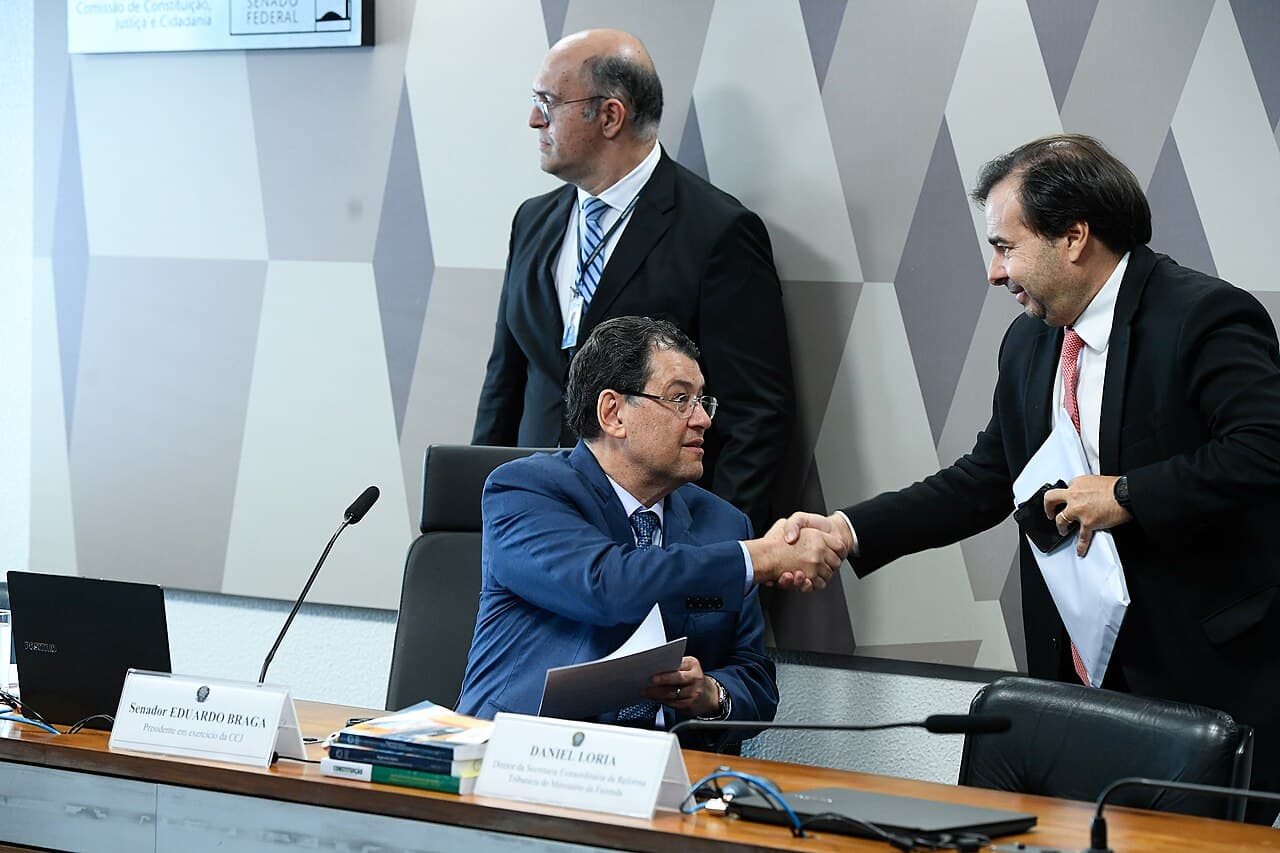 How Brazil Fiscal Deficit 2026 Bill Squeezes Corporate Cash FlowsA major $10 billion fiscal package passed by Brazil’s Senate on November 12, 2026, aims to curb spending but severely restricts corporate tax credits.
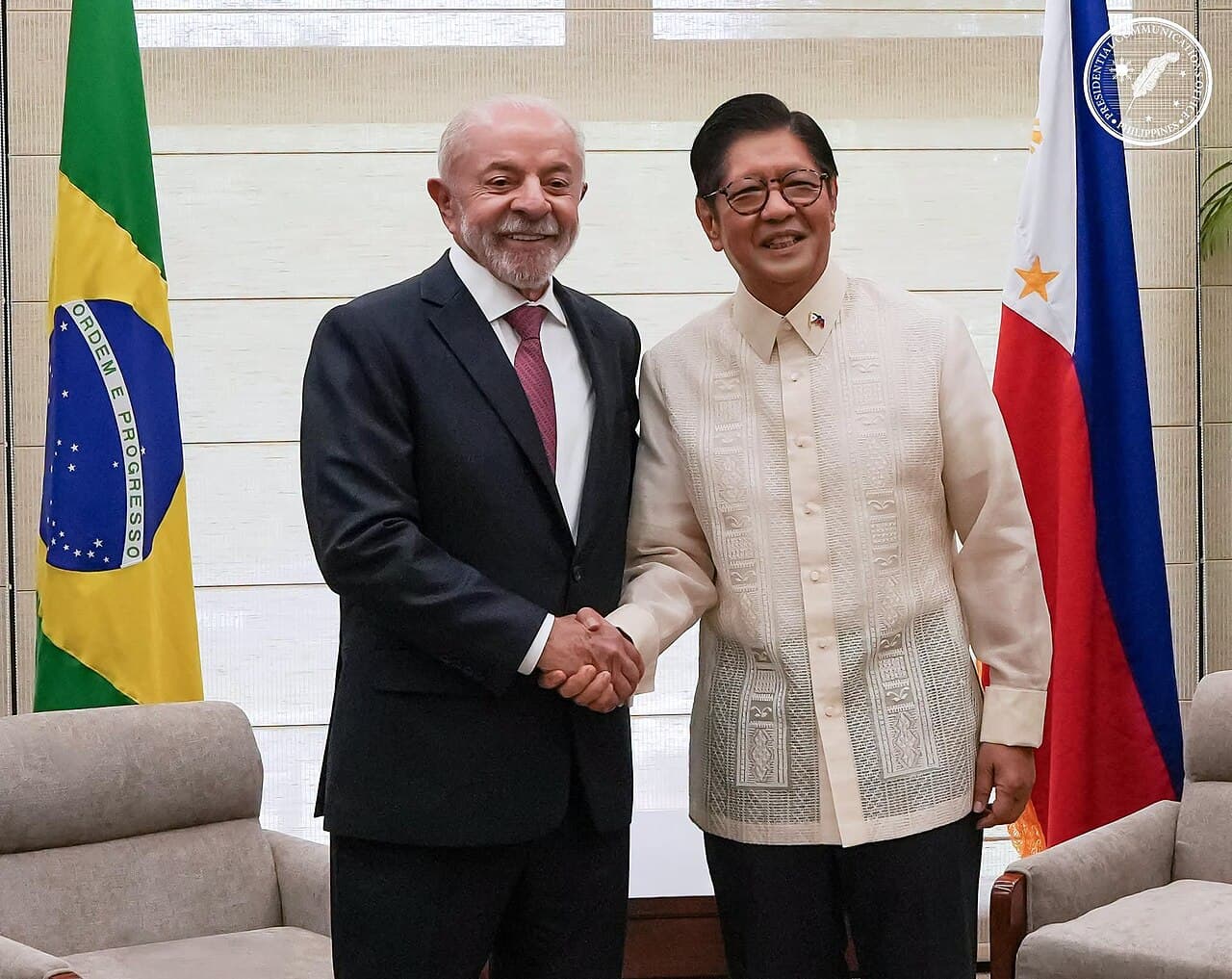 Why Brazil Conditions Rare Earth Mining on Local ProcessingBrazil conditions future rare earth and critical mineral concessions on local processing to build batteries and chips, shaking up global mining investments.