
Institutional Risk Rises as Supreme Court Clash Over Election Decisions Shakes Brazil's Judicial Authority
A monocratic decision by STF Justice Flávio Dino overturning a TSE ruling against presidential candidate Flávio Bolsonaro has escalated a jurisdictional feud, prompting warnings of "institutional capture.
An escalating jurisdictional feud between Brazil's two highest judicial bodies, the Supreme Federal Court (STF) and the Superior Electoral Court (TSE), is heightening institutional risk just weeks ahead of the general election. The conflict was reignited by a monocratic decision—a ruling by a single judge—from STF Justice Flávio Dino, which overturned a TSE-ordered social media removal related to the presidential campaign of Senator Flávio Bolsonaro (PL) on September 27. The move has drawn a formal, public rebuke from the TSE’s leadership, injecting judicial uncertainty into the final phase of the campaign season.
The dispute centers on the STF’s perceived encroachment on the TSE’s constitutional authority to manage elections and adjudicate electoral disputes. The TSE’s original order, issued by Minister André Mendonça (who serves on both the STF and as Vice-President of the TSE), had mandated the removal of social media posts that falsely associated the presidential candidate, Flávio Bolsonaro, with a project to revoke the title of "Patroness of Brazil" from the religious figure Our Lady of Aparecida. Justice Dino’s reversal cited freedom of expression, but crucially, he made the ruling as a single STF judge, pre-empting the full TSE body from reviewing its own member’s decision.
This overstepping prompted TSE President Kassio Nunes Marques to send an official complaint to STF President Edson Fachin on September 28, warning of the deepening crisis. In his communication, Nunes Marques expressed his "elevated concern with repeated episodes of undue overstepping of jurisdiction," arguing that the ability of individual STF justices to overturn electoral rulings risks "institutional capture" and "fragiliz[es] the unity of command" necessary to conduct a legitimate electoral process. This pattern, often referred to as ministrocracia—the outsized influence of single ministers—is a long-cited structural vulnerability in the STF's governance.
The TSE is the specialized court responsible for overseeing all aspects of Brazil’s elections, from voter registration to final adjudication, making its autonomy critical for the integrity of the vote. Undermining its authority through individual STF rulings creates significant legal ambiguity over what campaign conduct is permissible, placing the judiciary at the center of the political fray. Complicating matters further, a third STF Justice, Luiz Fux, on September 28 suspended the effects of Dino’s decision, compounding the uncertainty and suggesting the issue will likely require the full STF plenary to settle clear jurisdictional boundaries between the two high courts.
What it touches
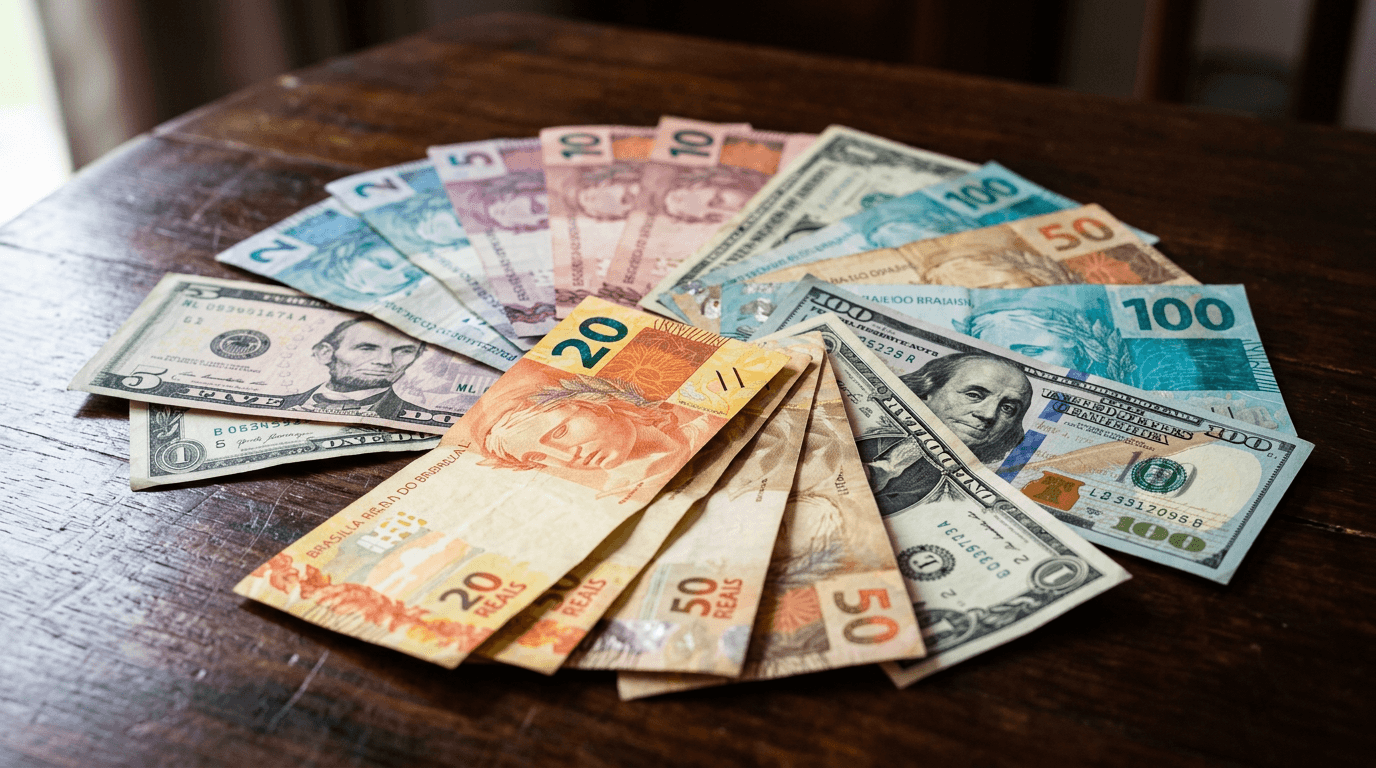
Institutional instability is a core metric monitored by foreign investors and is directly linked to Brazil's sovereign health. Economists have previously noted that increased judicial infighting and the weakening of institutional boundaries could pressure the future exchange rate, specifically the USD/BRL, and increase the country’s risk premium, raising the cost of financing for Brazilian companies and the federal government. This political-judicial conflict translates into a measurable increase in perceived risk in the final stretch before the election.
Related coverage
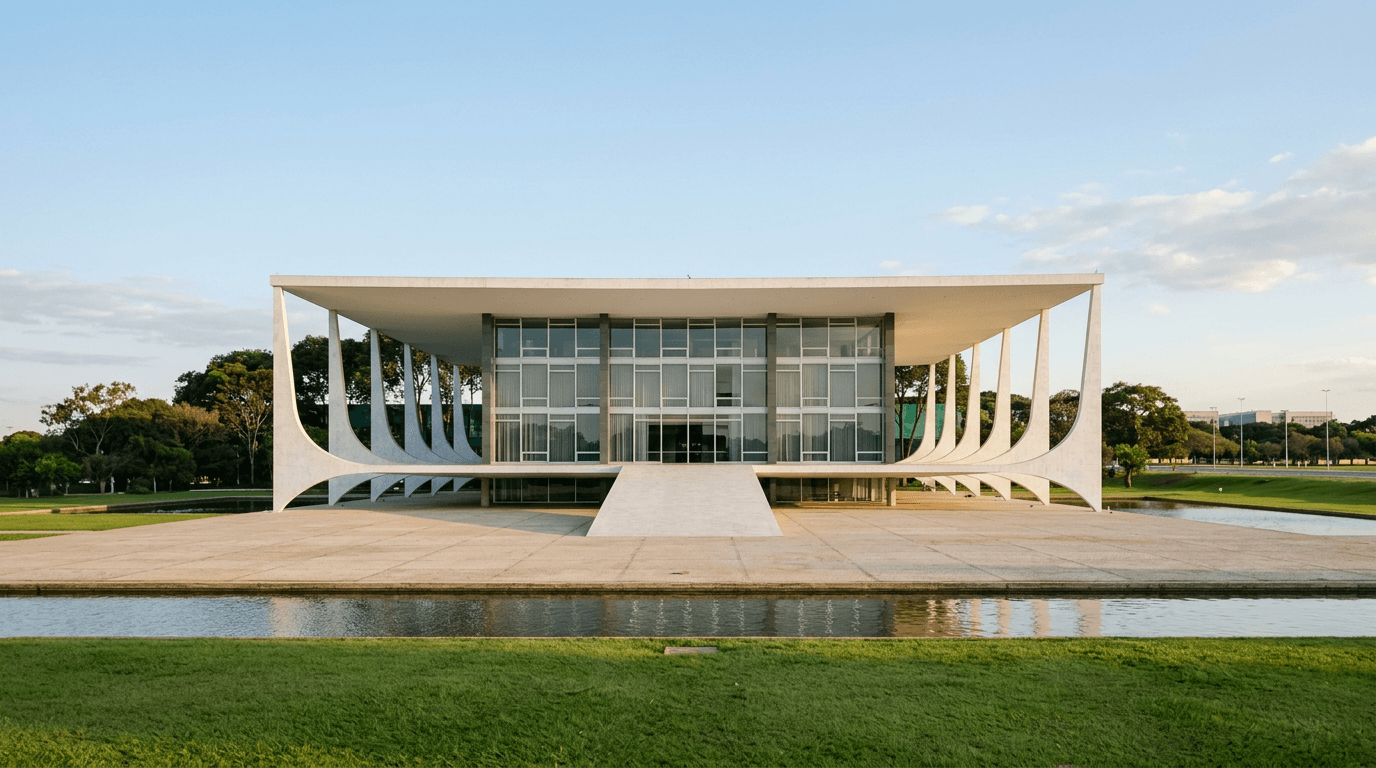 Court Delay on Brazil Shorter Workweek Eases Corporate PressuresSupreme Court Justice Luiz Fux halts a virtual trial on Brazil's 6x1 to 5x2 workweek transition, resetting votes but leaving a temporary December start date active.
 US Tech Investors Track Brazil Semiconductor Industry PushBrazilian President Lula proposed integrating the nation's critical minerals with the Philippine chip sector to create new South-South tech supply chains.
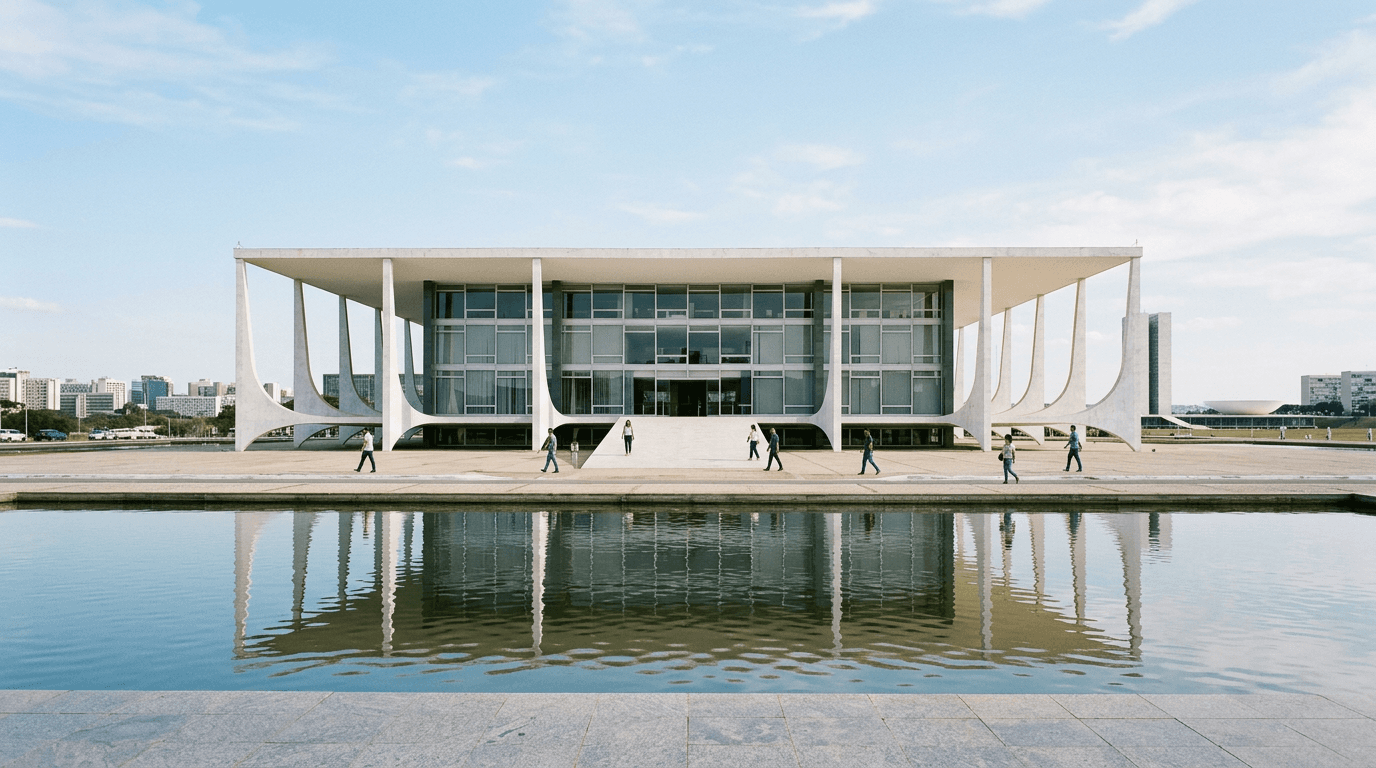 Senator's Escape to Florida Heightens Brazil Geopolitical RiskSenator Flávio Bolsonaro's sudden flight to Florida after his election defeat defies a Supreme Court passport order and escalates political tensions.