
How Brazil politics 2026 drives agricultural trade push in Southeast Asia
Brazil seeks ASEAN Dialogue Partner status as President Lula attends the 49th Summit, challenging US agricultural dominance in Southeast Asia.

US agricultural funds and grain commodity traders are facing a structural challenge as Latin America's largest economy aggressively targets high-growth Asian food markets. According to a U.S. Department of Agriculture (USDA) report published in August 2024, the United States exported $12.9 billion of agricultural products to the Association of Southeast Asian Nations (ASEAN) in 2023, led primarily by soybeans and wheat. Now, Brazil is executing a major diplomatic push designed to leapfrog the U.S. share in these key territories.
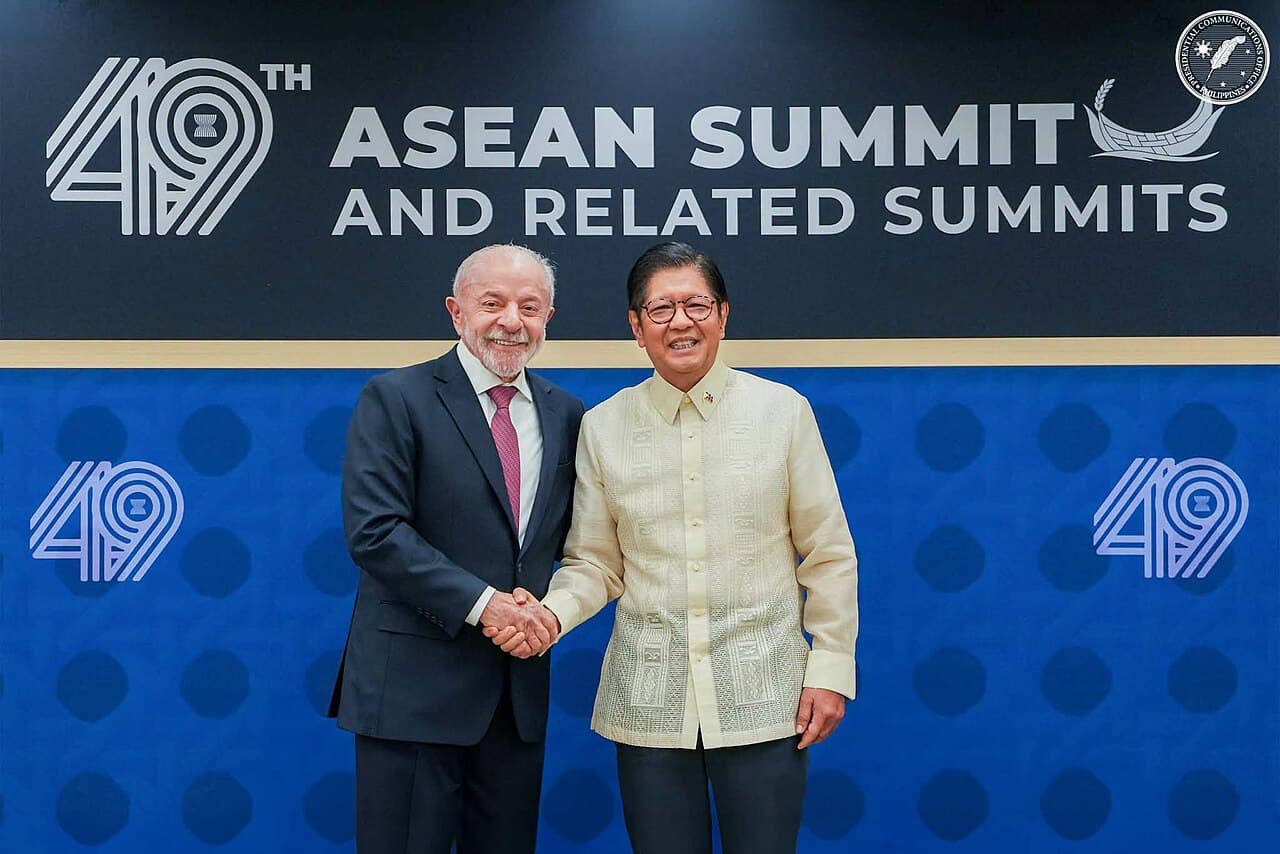
Brazilian President Luiz Inácio Lula da Silva arrived in Manila on November 13, 2026, to participate in the 49th ASEAN Summit from November 15 to 17, 2026. Lula’s primary diplomatic goal is to formally request that ASEAN upgrade Brazil’s status from a Sectoral Dialogue Partner to a full Dialogue Partner. This institutional promotion would place Brazil on equal footing with major global powers like the United States, Canada, and Japan, granting Brazilian officials direct access to high-level ministerial meetings where key trade frameworks are built.
The strategic pivot shows how brazil politics 2026 focuses heavily on carving out new agrifood trade corridors to decrease its long-term reliance on any single market. Brazil is already a massive agricultural player in the region, with its agribusiness exports to ASEAN reaching $13.16 billion in 2025 and generating a substantial $11.36 billion trade surplus, according to figures from Brazil's Ministry of Agriculture. The South American nation’s shipments to the 10-country bloc were heavily anchored by $4.51 billion in soybeans and $2.72 billion in meats during that year.
A mounting challenge to US exports
The intensifying trade competition threatens to erode the market share of American producers in Southeast Asia's rapidly urbanizing markets. While the U.S. has struggled with high export tariffs and a lack of regional free trade agreements, Brazil has systematically expanded its agricultural access. Just days before the summit, on November 10, 2026, Brazil secured new regulatory approvals to export red bovine offal to Vietnam—which imported $3.5 billion in Brazilian farm products in 2025—alongside fresh livestock and genetics access to Malaysia, according to trade notices from the Ministry.
This steady dismantling of trade barriers allows Brazilian exporters to leverage their lower logistics and production costs, undercutting U.S. grain and protein prices in crucial consumer hubs like Indonesia and the Philippines. The immediate focus for international traders will be the final decision of the ASEAN leaders regarding Brazil's partnership upgrade, expected at the summit's conclusion on November 17, 2026.
In your brokerage app
American retail investors holding shares of New York-listed agribusiness giants like Archer-Daniels-Midland Company and Bunge Global SA, or those trading commodity-focused exchange-traded products like the Teucrium Soybean Fund, should closely watch these shifting global trade routes. As Brazil deepens institutional integration with Southeast Asian markets, U.S. agricultural exporters may face squeezed margins and lower shipping volumes in what has historically been one of the fastest-growing regions for American agricultural sales.
Related coverage
 How Brazil Politics 2026 Reshapes Chip Chains with Philippine PivotBrazil pitches its massive rare earth reserves to the Philippines for chip assembly, bypassing U.S. trade routes under strict domestic processing rules.
 How Brazil Fiscal Deficit 2026 Bill Squeezes Corporate Cash FlowsA major $10 billion fiscal package passed by Brazil’s Senate on November 12, 2026, aims to curb spending but severely restricts corporate tax credits.
 Why Brazil Conditions Rare Earth Mining on Local ProcessingBrazil conditions future rare earth and critical mineral concessions on local processing to build batteries and chips, shaking up global mining investments.