
For Portfolios in Brazil, a Welcome Tariff Shield is Asian Trade
President Lula states at the ASEAN summit in Manila that trade diversification, reducing US trade to 9.2%, shields Brazil from Washington's tariff risks.

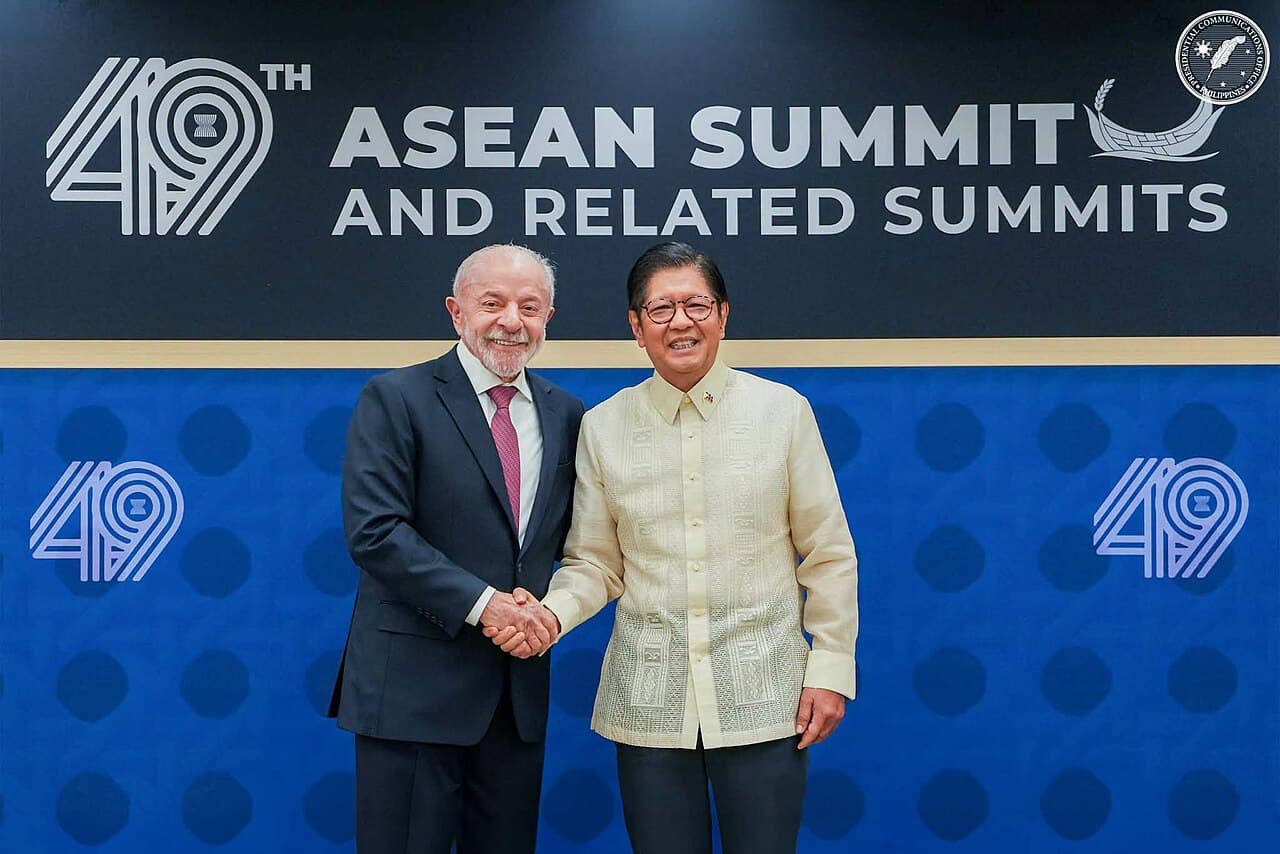
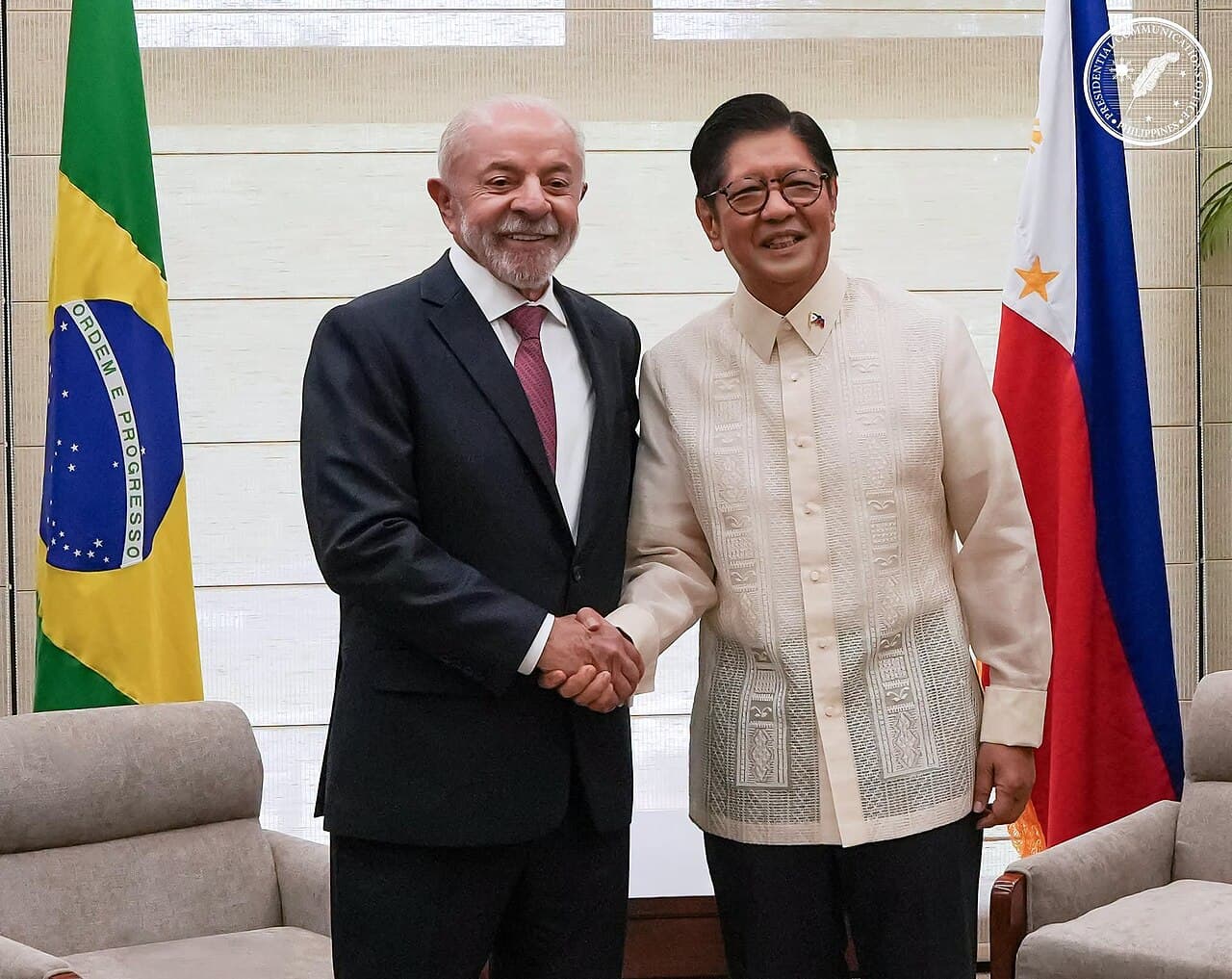
On November 15, 2026, during the Association of Southeast Asian Nations (ASEAN) summit in Manila, Brazilian President Luiz Inácio Lula da Silva declared that his country has successfully mitigated the potential impact of incoming US trade tariffs by aggressively expanding its commercial relationships across Asia. Speaking to reporters on the sidelines of the regional gathering, Lula emphasized that Brazil’s deliberate shift toward fast-growing Asian economies has built a robust defense mechanism against protectionist policy shocks from Washington.
Brazil’s strategy of active commercial diversification has significantly reduced its economic reliance on the North American market. According to official remarks delivered by President Lula on November 15, 2026, and reported by BusinessWorld, the United States now represents just 9.20% of Brazil's total foreign trade. At the same time, Brazil's commerce with the ASEAN bloc has grown to R$38.80 billion ($6.86 billion) in 2026 from R$3 billion in 2003, according to Lula's remarks on November 15, 2026, highlighting a long-term pivot toward the Asia-Pacific region.
A Diversified Trade Shield
While domestic policymakers describe this geopolitical stance as active non-alignment, the commercial outcome is a highly profitable buffer. By cultivating deeper ties with 50 targeted nations, Brazil has expanded its average trade surplus across these markets by 10.50%, raising its overall trade surplus from R$50 billion ($8.85 billion) to R$80 billion ($14.16 billion) when calculated at the Central Bank's PTAX rate of 5.6518 per dollar on November 15, 2026, according to official remarks reported by BusinessWorld. On the sidelines of the Manila summit, Lula noted that bilateral trade with regional partners Indonesia and Vietnam surged by 15% and 13% respectively, as reported by ABS-CBN News on November 15, 2026.
Looking ahead, global markets are tracking Brazil’s formal bid to upgrade its relationship with the Southeast Asian bloc. According to EBC Agência Brasil on November 13, 2026, Brazil formally requested to elevate its status from a "Sectoral Dialogue Partner" to a full "Dialogue Partner," the highest level of engagement with the 11-member regional association. The ongoing summit in Manila, which runs through November 17, 2026, could accelerate this integration and establish permanent pathways for Brazilian agricultural and industrial exports.
Implications for US Investors
For international portfolios, Brazil's structural shift toward Asia alters the risk profile of holding large Brazilian equities. Multinational giants listed in New York, such as the mining corporation Vale (NYSE: VALE), export the vast majority of their iron ore and transition metals directly to industrial buyers in China and other Asian nations rather than the United States, leaving their top-line revenues largely insulated from changes in US tariff policies.
To track these large-cap equities and gain exposure to the broader Brazilian corporate landscape, investors often look to the iShares MSCI Brazil ETF (NYSE Arca: EWZ). Rather than acting as a guaranteed hedge, funds like the EWZ track a basket of resource-heavy and financial companies whose earnings are increasingly linked to Asian demand, offering a different geopolitical risk profile than standard Latin American indices.
Related coverage
 How Brazil Politics 2026 Reshapes Chip Chains with Philippine PivotBrazil pitches its massive rare earth reserves to the Philippines for chip assembly, bypassing U.S. trade routes under strict domestic processing rules.
 How Brazil Fiscal Deficit 2026 Bill Squeezes Corporate Cash FlowsA major $10 billion fiscal package passed by Brazil’s Senate on November 12, 2026, aims to curb spending but severely restricts corporate tax credits.
 Why Brazil Conditions Rare Earth Mining on Local ProcessingBrazil conditions future rare earth and critical mineral concessions on local processing to build batteries and chips, shaking up global mining investments.