
Why soybean traders are trimming their bets on Chicago futures
Speculators cut net-long soybean positions as of November 3, 2026, reflecting changing global supply dynamics from South American producers.

Global commodity markets are adjusting as the latest regulatory data shows large financial players are dialing back their bullish bets on agricultural staples. For retail investors holding diversified commodity exchange-traded funds (ETFs) or shares in major agricultural processors, these shifts highlight a changing supply landscape that directly influences food production costs and corporate profit margins.
The shift is heavily driven by South American agricultural powerhouses, particularly Brazil, which dominates global soybean exports. As the world's largest producer of the oilseed, Brazil's planting progress and export volumes dictate pricing on the Chicago Board of Trade (CBOT). When Brazilian farmers experience favorable weather or expand their acreage, global supply expectations rise, prompting speculative traders in Chicago to reassess their financial exposure.
According to the U.S. Commodity Futures Trading Commission (CFTC) Commitments of Traders report for the week ending November 3, 2026, non-commercial speculators—primarily hedge funds and large money managers—held 239,253 long contracts compared to 75,635 short contracts. This resulted in a net-long position of 163,618 contracts for CBOT soybean futures (contract code 005602).
While still leaning net-positive, this positioning represents a notable decline from the net-long position of 204,119 contracts recorded just one week prior on October 27, 2026. Total open interest in the soybean futures market also contracted slightly, dropping from 979,414 contracts to 959,576 contracts over the same weekly period. Rather than predicting a sudden price collapse, this weekly positioning data reflects a tactical reduction in risk as supply realities become clearer.
For global investors, these weekly fluctuations in futures positioning serve as a barometer for market sentiment rather than a definitive price forecast. The reduction in net-long positions indicates that speculative buyers are easing their pressure, acknowledging that robust production from South American exporters is keeping global inventories stable.
In your brokerage app
If you hold agricultural exposure in your US brokerage account, these supply-and-demand dynamics directly affect companies like Adecoagro S.A., an agricultural firm with extensive farmland holdings in South America listed in New York, as well as diversified commodity funds like the Teucrium Soybean ETF, which tracks CBOT soybean futures contracts directly.
Related coverage
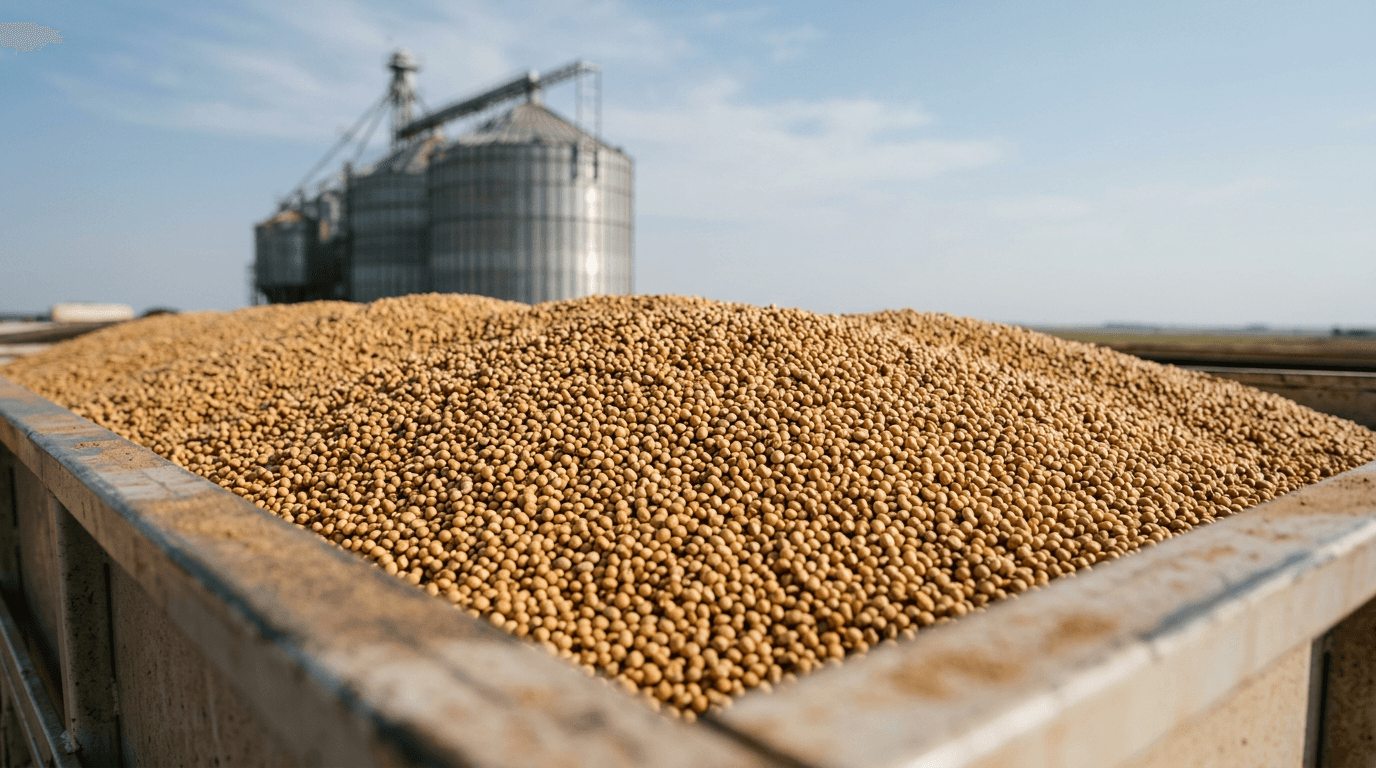 How Grain Futures Shift Past Brazil Stock Market Holidays in 2026Large speculators trimmed their net-long soybean positions as of November 3, 2026, navigating a record-breaking South American export crop.
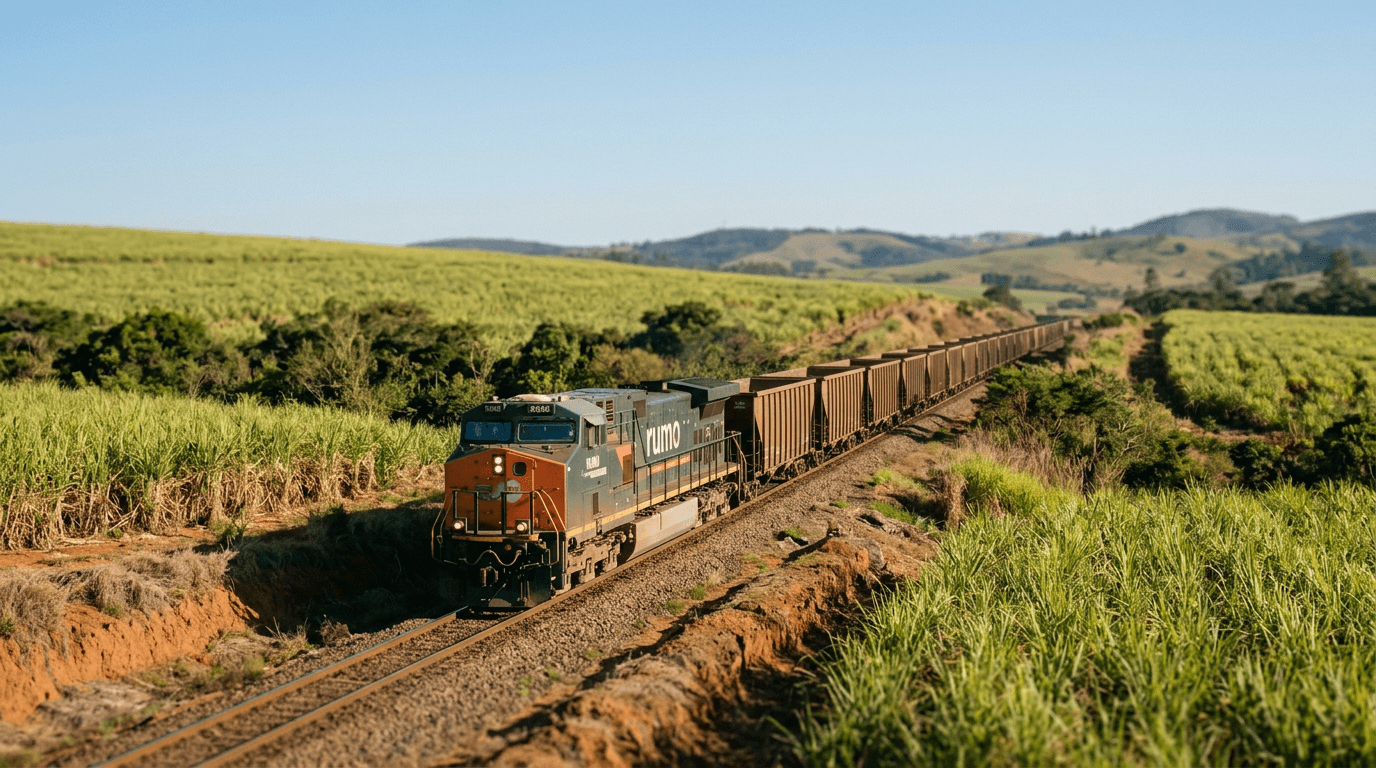 How a Major Brazil Holding Company Is Swapping CEOs to Slash DebtBrazilian conglomerate Cosan announced CEO Marcelo Martins is stepping down in January 2027 as the company shifts from expansion to aggressive deleveraging.
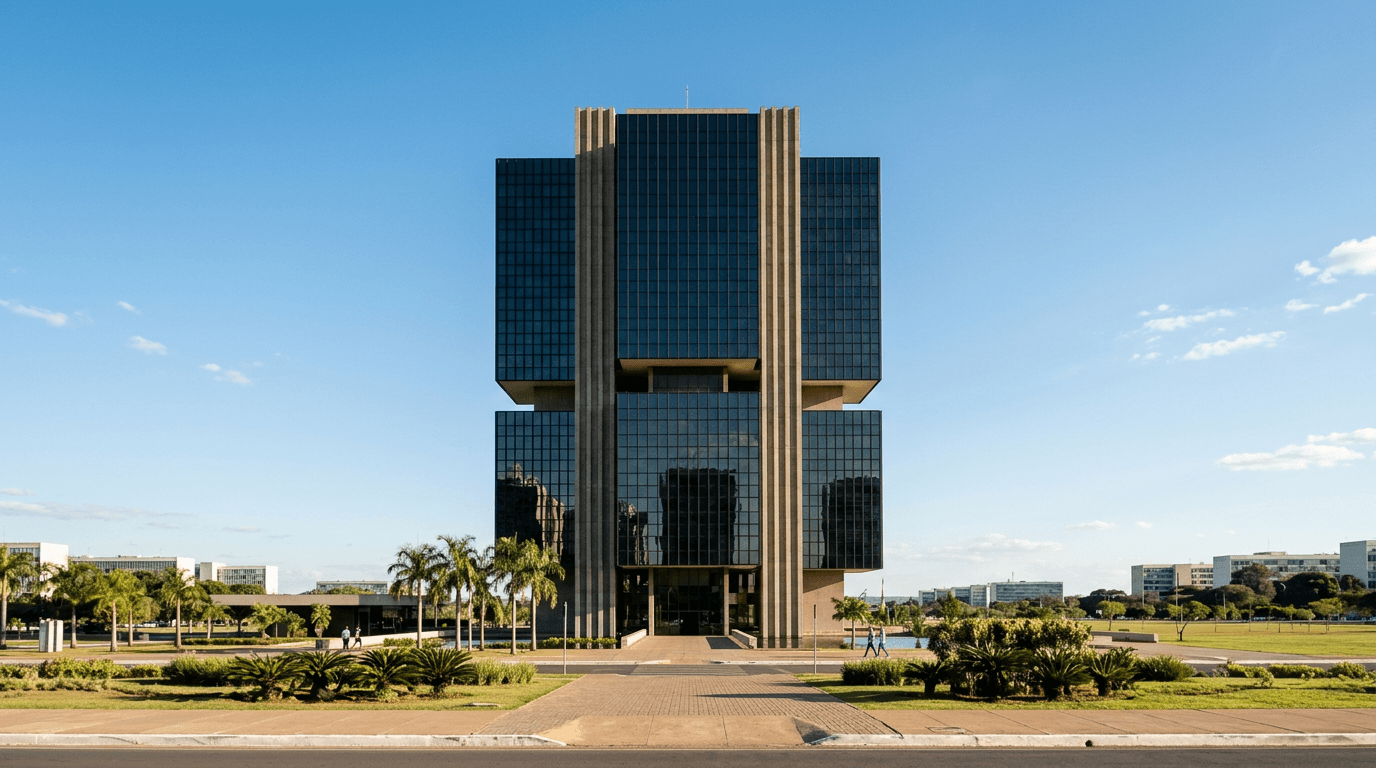 Why Corporate Headwinds in Brazil Today Match Wall Street ExpectationsBrazil’s Senate backs a $10.8B spending-cut bill as high interest rates, new labor rules, and a temporary Philippine pork ban squeeze corporate margins.