
Why soybean traders are cutting back on bullish bets
Speculators trimmed their net-long CBOT soybean positions as of November 3, 2026, as a rapid planting season in Brazil signals rising South American supply.
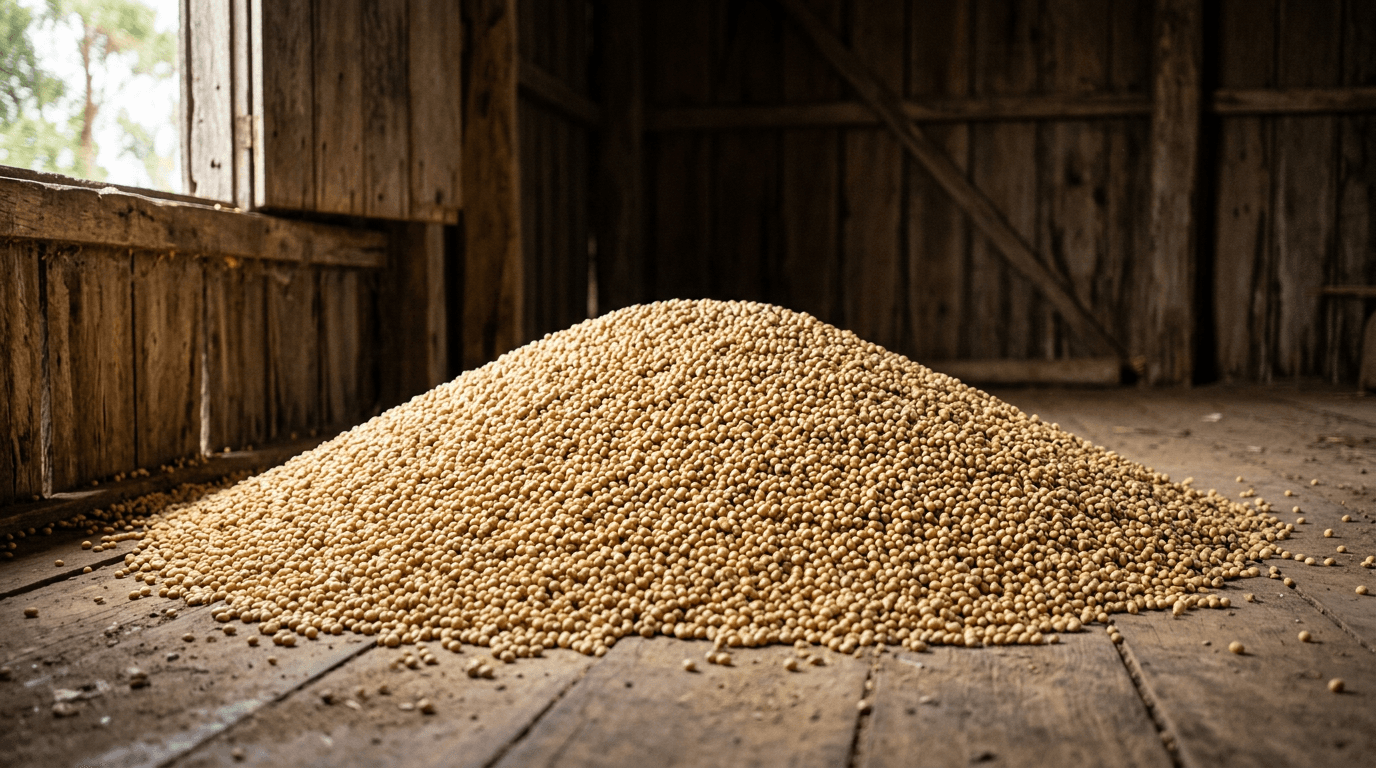
Global commodity markets are quietly recalibrating, and the shift is showing up directly in the weekly positioning of the world's largest agricultural speculators. For retail investors holding broad commodity funds or agricultural equities in their brokerage accounts, these movements offer a valuable pulse check on global trade rather than a direct price forecast. When institutional money shifts its weight in Chicago, the ripples are felt from Midwestern silos to the massive corporate farms of South America.
According to the U.S. Commodity Futures Trading Commission (CFTC) legacy Commitments of Traders report for the week ending November 3, 2026, non-commercial speculators—primarily hedge funds and large investment managers—held 239,253 long contracts compared to 75,635 short contracts on Chicago Board of Trade (CBOT) soybeans. This left the market with a net-long position of 163,618 contracts. While still firmly in bullish territory, this net-long figure represents a notable decline of 40,501 contracts from the previous week's net-long of 204,119 contracts. Total open interest across the market stood at 959,576 contracts on the November 3 observation date.
The South American Supply Engine
This trimming of bullish bets comes as the global agricultural spotlight shifts to Brazil, the world's undisputed powerhouse in soybean exports. In Brazil, the soybean planting season for the 2026/2027 crop cycle is progressing rapidly through the center-west grain belt, particularly in Mato Grosso, a state that alone produces more soybeans than most countries.
Because Brazil's massive agricultural output directly competes with U.S. harvests for dominant market share in China, any sign of favorable weather or expanding acreage in South America tends to cap price rallies in Chicago. Large speculative funds watch these planting reports closely; a smooth start to the Brazilian wet season often prompts traders to lock in profits and reduce their net-long exposure on the CBOT.
Understanding the Speculative Gauge
For retail investors, the CFTC's weekly data serves as a sentiment gauge rather than a crystal ball. The reduction in net-long positions shows that while institutional money is still net-positive on soybeans, the conviction behind that bet has softened.
This caution reflects a balancing act between robust global demand and the looming prospect of another record-breaking South American harvest. If Brazilian weather remains cooperative through the critical flowering stage in December and January, speculative net-long positions may continue to contract, putting downward pressure on global grain prices. Conversely, any sudden drought in South America would likely trigger a rapid short-covering rally as funds rush back into long contracts.
In your brokerage app
Global agricultural supply chains are heavily anchored in South American production, making regional performance a key driver of international grain markets. Investors tracking this sector can observe these dynamics through multinational agribusinesses like Adecoagro S.A., which is listed in New York and manages extensive farmland portfolios across South America. For a broader view of the region's corporate landscape, the iShares MSCI Brazil ETF is a widely traded fund that holds major Brazilian companies, including the large financial institutions and logistics operators that fund and transport the continent's massive harvests.
Related coverage
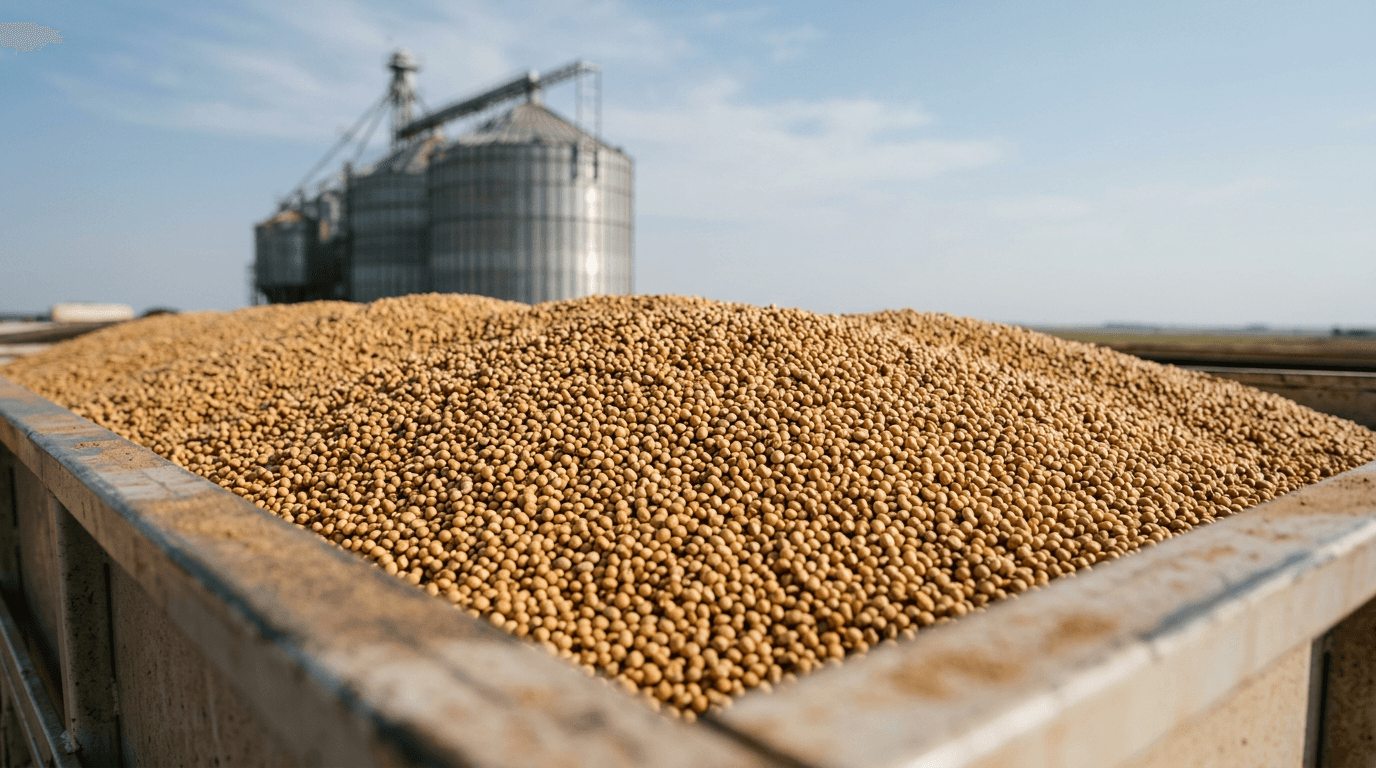 How Grain Futures Shift Past Brazil Stock Market Holidays in 2026Large speculators trimmed their net-long soybean positions as of November 3, 2026, navigating a record-breaking South American export crop.
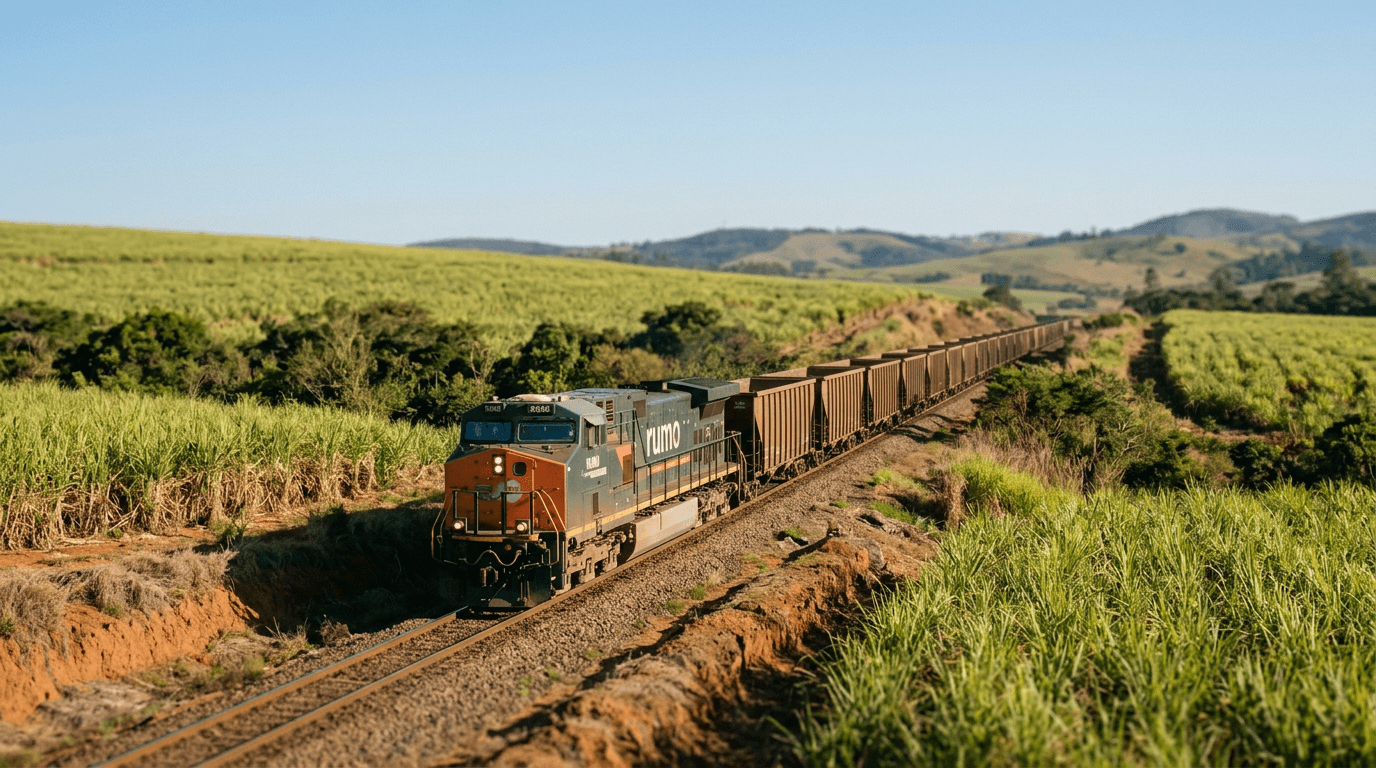 How a Major Brazil Holding Company Is Swapping CEOs to Slash DebtBrazilian conglomerate Cosan announced CEO Marcelo Martins is stepping down in January 2027 as the company shifts from expansion to aggressive deleveraging.
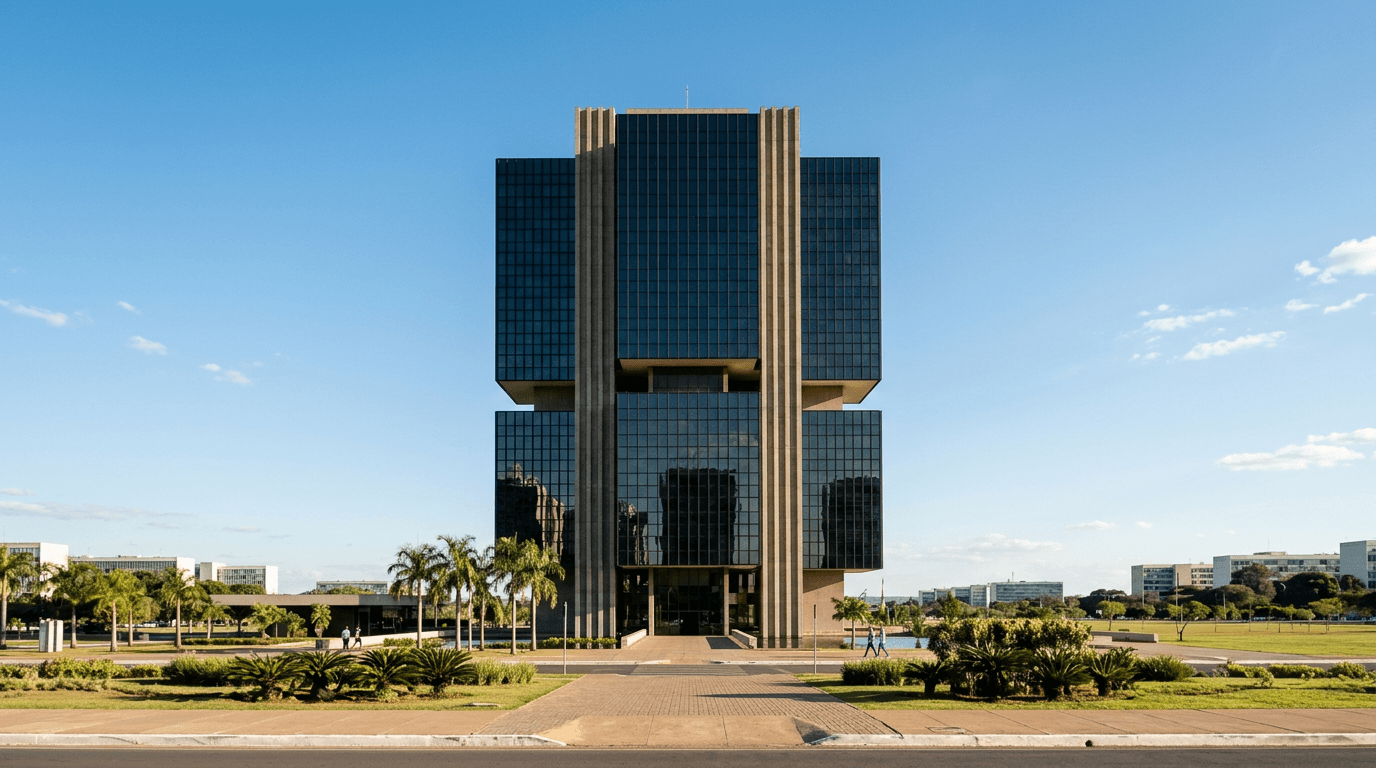 Why Corporate Headwinds in Brazil Today Match Wall Street ExpectationsBrazil’s Senate backs a $10.8B spending-cut bill as high interest rates, new labor rules, and a temporary Philippine pork ban squeeze corporate margins.