
Speculators Cut Soybean Longs Amid Brazil Stock Market Holidays 2026
Weekly CFTC data shows non-commercial speculators trimmed their net-long soybean positions to 163,618 contracts as of November 3, 2026.
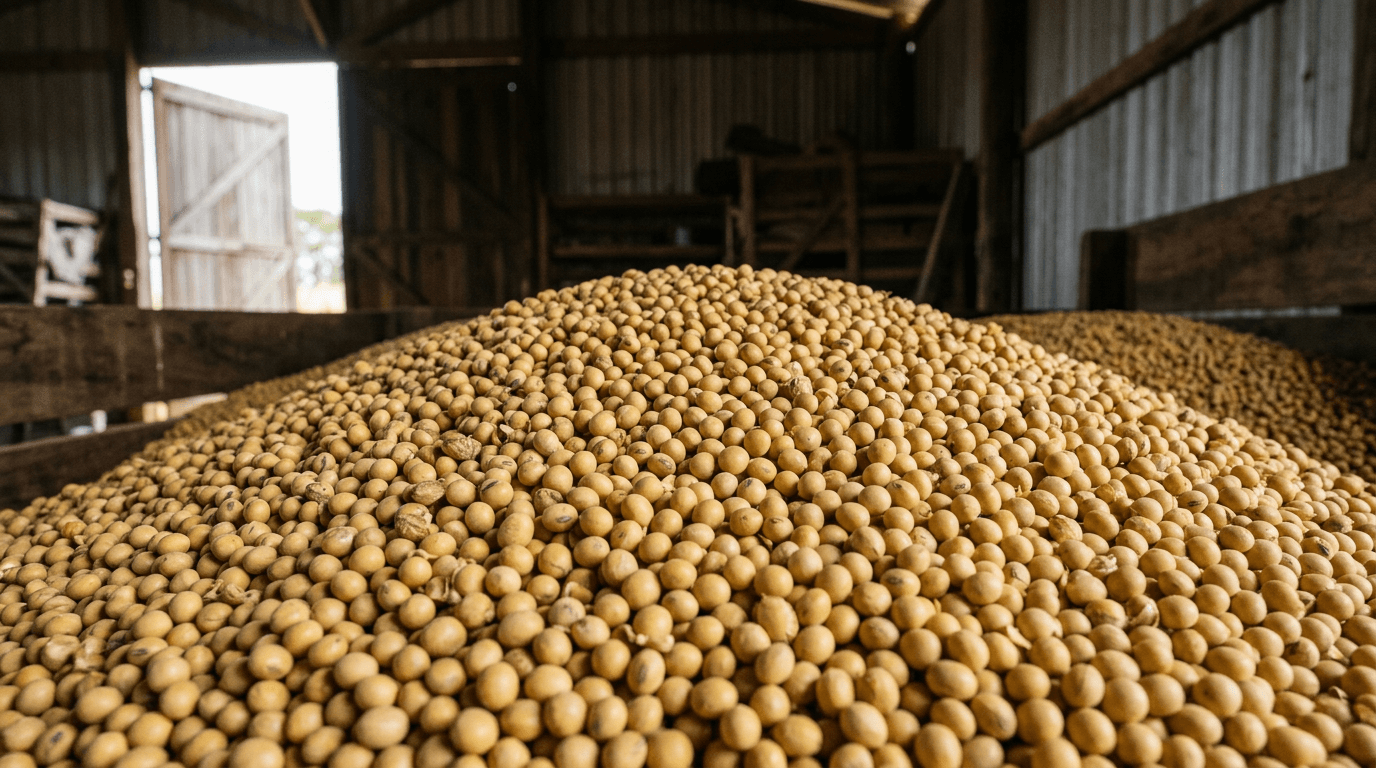
Global agricultural investors holding commodity ETFs or agricultural funds saw speculators trim their bullish bets on soybean futures as harvest progress and global trade dynamics shifted. According to the U.S. Commodity Futures Trading Commission (CFTC) report for the week ending November 3, 2026, non-commercial speculators dialed back their net-long positions on Chicago Board of Trade soybeans by 40,501 contracts to a net-long total of 163,618 contracts.
For a global market heavily dependent on Brazil—the world's largest producer and exporter of soybeans—this positioning shift coincided with a temporary pause in local financial activity. The Brazilian stock exchange, B3, was closed on Monday, November 2, 2026, for All Souls' Day (locally known as Finados), one of the scheduled dates on the official Brazil Stock Guide calendar. While physical crop shipments continued, the temporary pause in domestic derivative and futures trading in São Paulo meant Chicago futures carried even greater weight for global price discovery during the week.
The CFTC data for contract code 005602 reveals that the speculator pullback was driven by a reduction in outright bullish exposure rather than a massive wave of short selling. As of November 3, 2026, non-commercial long positions stood at 239,253 contracts, while short positions reached 75,635 contracts, leaving a net-long total of 163,618. Total contract open interest was reported at 959,576 contracts. The weekly positioning shift highlights how speculative money behaves: it reflects historical trends and seasonal crop flows rather than serving as a direct price forecast.
For global grain traders, tracking the relationship between U.S. speculative positioning and Brazilian export flows is crucial. A strong Brazilian real makes Brazilian agricultural exports more expensive relative to U.S. crops, which can support Chicago prices. Conversely, a weaker real can prompt Brazilian farmers to sell aggressively, capping gains in U.S. soybean futures. Because domestic price-setting in Brazil relies on a complex mix of local cash markets and B3-cleared derivatives, US retail investors must watch both Chicago positioning and South American seasonal crop updates to navigate their agricultural allocations.
In the coming weeks, market participants will watch the progress of South American soybean planting, which typically peaks during November, alongside weekly export sales reports from the U.S. Department of Agriculture. Speculator positioning is expected to react dynamically to early weather patterns in central Brazil, as any potential drought or planting delay could quickly prompt managers to rebuild their net-long positions.
In your brokerage app
For retail investors looking to gain exposure to the soybean market, direct options in a standard U.S. brokerage account include the Teucrium Soybean Fund, an exchange-traded fund that tracks soybean futures, or agricultural land operators like Adecoagro S.A., which is listed in New York and manages extensive farming operations across South America.
Related coverage
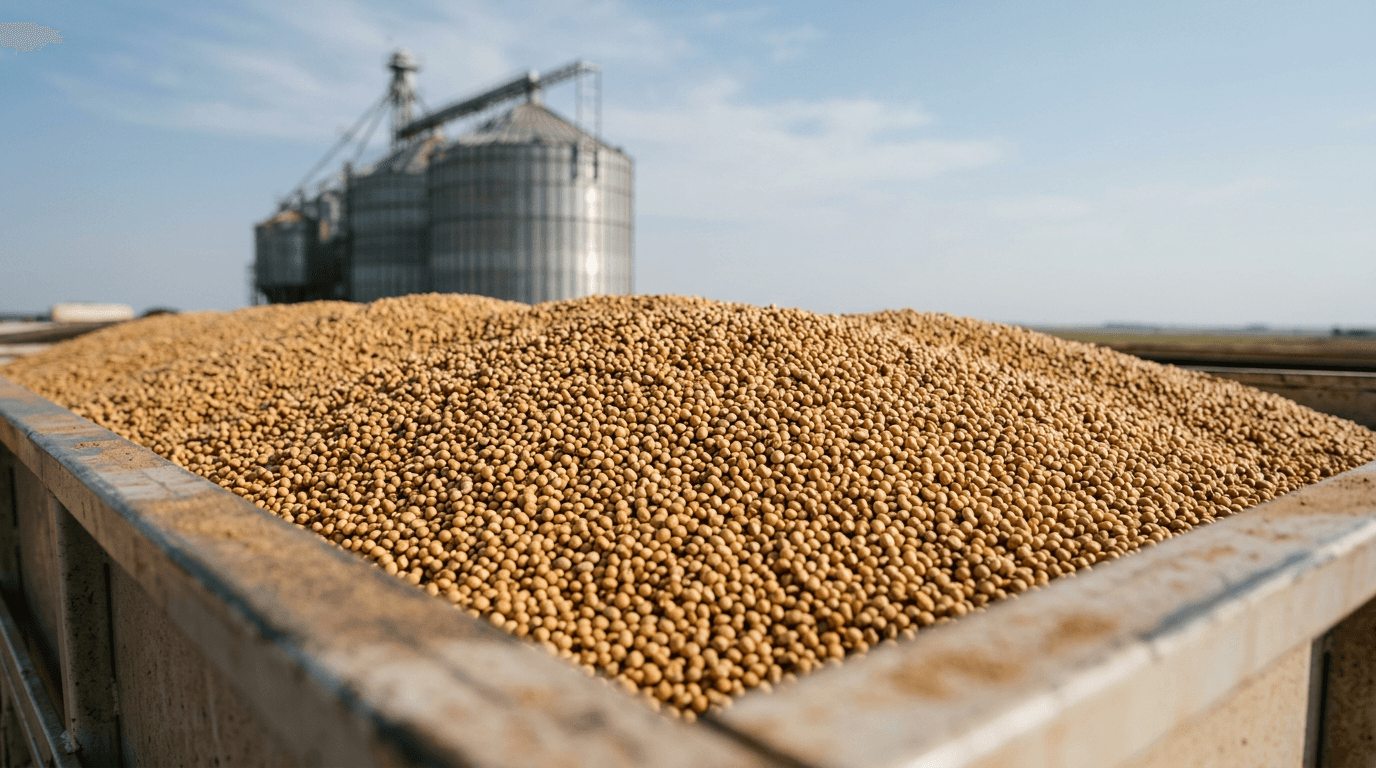 How Grain Futures Shift Past Brazil Stock Market Holidays in 2026Large speculators trimmed their net-long soybean positions as of November 3, 2026, navigating a record-breaking South American export crop.
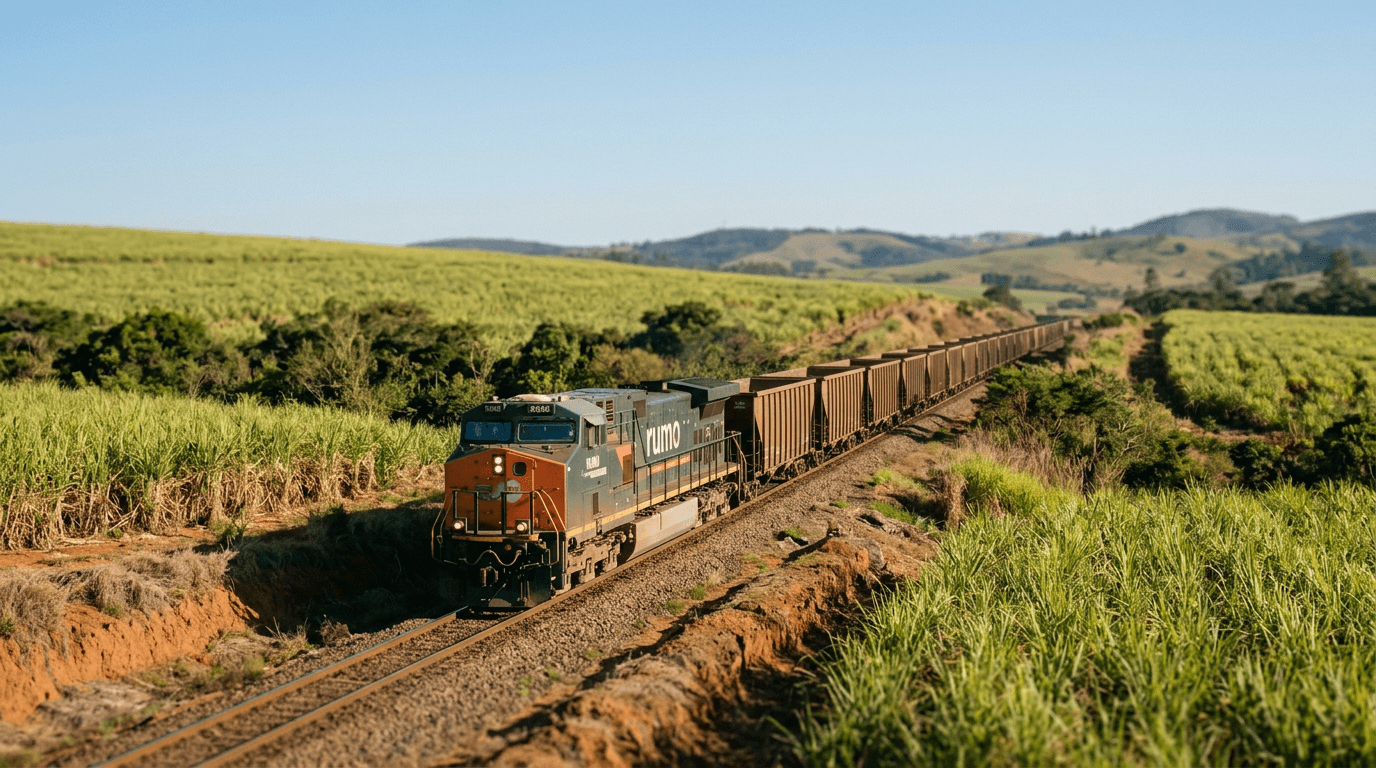 How a Major Brazil Holding Company Is Swapping CEOs to Slash DebtBrazilian conglomerate Cosan announced CEO Marcelo Martins is stepping down in January 2027 as the company shifts from expansion to aggressive deleveraging.
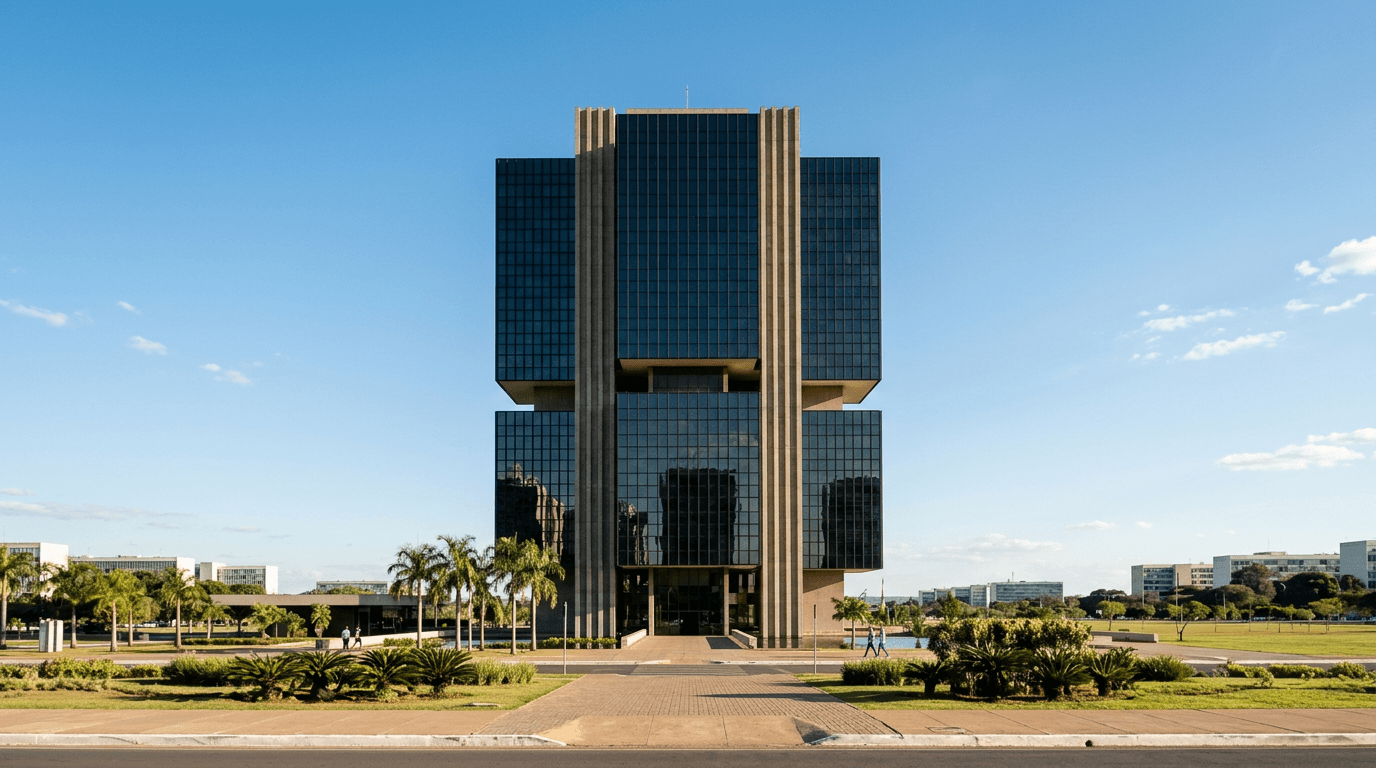 Why Corporate Headwinds in Brazil Today Match Wall Street ExpectationsBrazil’s Senate backs a $10.8B spending-cut bill as high interest rates, new labor rules, and a temporary Philippine pork ban squeeze corporate margins.