
Speculators Bet on Rising Soybean Prices as Brazil Planting Expansion Slows
Large financial traders on the Chicago Board of Trade increased their net-long position in soybeans to 281,581 contracts, signaling market concern over Brazil’s next crop.
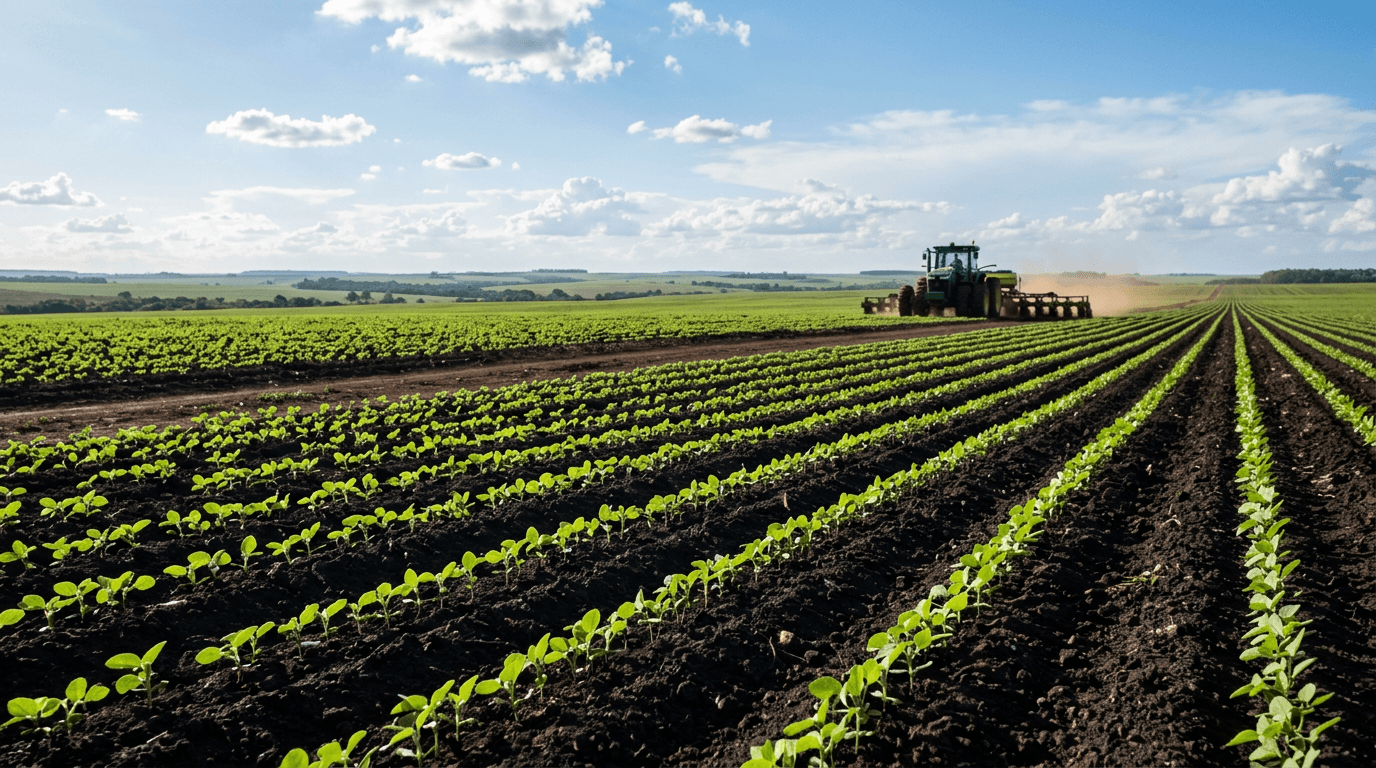
Large financial speculators on the Chicago Board of Trade (CBOT) significantly increased their bet on rising soybean prices in late September, a move that signals growing concern over the outlook for the next harvest in Brazil, the world’s dominant supplier of the oilseed. The non-commercial net-long position, primarily held by hedge funds and managed money, climbed to 281,581 contracts as of September 22, according to the weekly Commitment of Traders (COT) report released by the U.S. Commodity Futures Trading Commission (CFTC).
This net-long figure—the difference between bullish and bearish futures bets—is a key indicator of market sentiment, showing that large traders believe the physical supply chain is tightening. The immediate trigger for this bullish stance is the commencement of Brazil’s 2026/27 planting season, which is expected to face new headwinds after two decades of near-uninterrupted expansion. Brazil has cemented its position as the global swing producer, accounting for roughly 40% of the world's total soybean production.
Speculators are reacting to the cost pressures and early weather signals affecting Brazilian farmers, particularly in the key growing states. The two-decade-long binge of rapidly expanding planted acreage is showing signs of stalling, constrained by high fertilizer costs and elevated interest rates that are squeezing farm margins. While initial forecasts still project a historically large crop, the total volume is expected to contract by about 3.3% to 173.75 million tonnes, down from the record 180.5 million tonnes harvested in the previous cycle.
Furthermore, forecasters are monitoring early El Niño weather patterns, which are generating concerns about elevated temperatures and moisture deficits in some northern regions, potentially impacting initial yields. The combination of a predicted slowdown in planting area growth and potential weather-related yield risk is what is driving the financial market to price in a supply premium, directly linking the mood on the CBOT floor to the fortunes of agronegócio—Brazil's powerful agricultural sector.
The market’s focus will now shift to the pace of planting over the coming weeks and, critically, whether the expected early-season rains materialize across the heart of the country’s vast grain belt. Any further delays or persistent dry weather during this crucial stage will likely push speculative positioning even higher.
What it touches
The rising price bets on the CBOT directly influence the global valuation of soybeans, affecting the revenues of Brazil’s agribusiness firms. While the reported positioning is not a live price, the underlying trend impacts companies involved in the production and processing of oilseeds, including large protein exporters like JBS and agricultural land holders and producers such as Adecoagro, which have significant exposure to commodity price movements.
Related coverage
 How Shifting Policies in Brazil Today Match the Needs of US InvestorsBrazil passes a major $10 billion fiscal package, tightens rules on strategic rare earth mining, and cracks down on systemic judicial debt fraud.
 How Brazil ground beef is filling U.S. shelves as China quotas shift exportsMinerva Foods redirects exports to the U.S. to bypass China tariffs as U.S. cattle herds hit a 75-year low, driving ground beef prices higher.
 How Cosan's New CEO Impacts Brazil, Your Infrastructure HoldingCosan's Board of Directors appointed Guilherme Penin as interim CEO to lead a shift toward asset sales and deleverage its R$ 9.5 billion net debt.