
Soybean traders hold heavy net-long positions as Brazil crop begins
CFTC data shows speculative traders holding 281,581 net-long soybean contracts as Brazil kicks off its record-projected 2026/27 planting season.
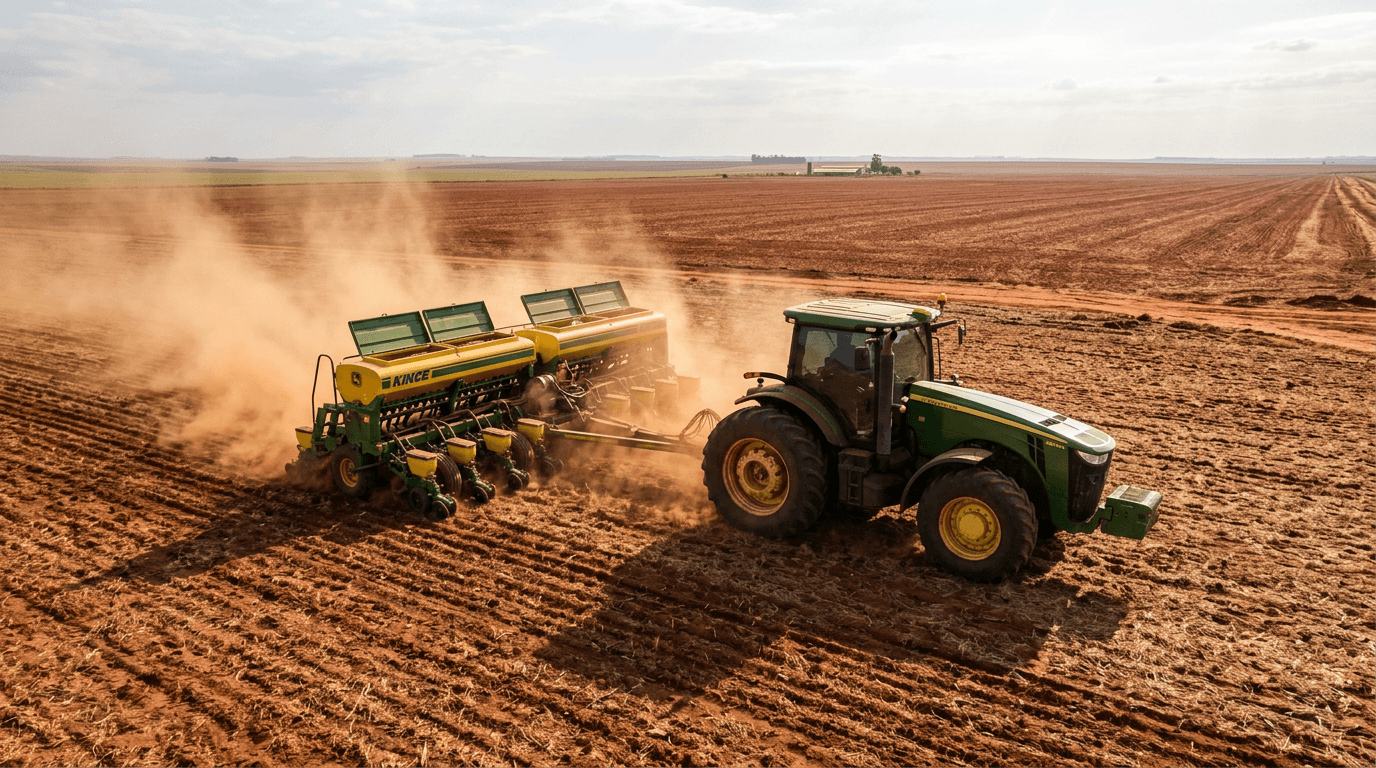
Speculative financial players are maintaining a heavily optimistic stance on global oilseed supplies as South America enters its critical planting window. According to the weekly Commitments of Traders report released by the U.S. Commodity Futures Trading Commission (CFTC), non-commercial traders held a substantial net-long position in Chicago Board of Trade (CBOT) soybean futures.
For the weekly observation ending September 22, 2026, non-commercial long positions—representing bets that prices will rise—stood at 370,525 contracts, compared to 88,944 short contracts, which are bets on falling prices. This resulted in a net-long position of 281,581 contracts, set against a total market open interest of 1,114,328 contracts. While weekly trader positioning provides crucial sentiment context rather than a direct price forecast, the data highlights the market's close attention to early-season supply dynamics.
This financial positioning coincides with the very beginning of the agricultural cycle in Brazil, the world's largest producer and exporter of soybeans. Brazilian farmers are currently starting to sow what is projected to be a massive crop. According to the first official forecasts from Conab, Brazil's state-run food supply agency, the country’s 2026/27 soybean harvest is estimated to reach a record 181.64 million metric tons, representing a 0.7% year-on-year expansion on the back of a 1.4% increase in planted area.
However, the early stages of the crop cycle are highly sensitive to weather disruptions. Agribusiness consultancy AgRural reported that as of late September, Brazilian farmers had planted 3.4% of the expected soybean area. While early planting in the southern state of Paraná has shown steady progress, the agricultural powerhouse of Mato Grosso has faced a slower start due to uneven rainfall distribution.
Because global soybean prices are highly sensitive to the success of the Brazilian harvest, international traders monitor these early-season weather patterns and planting paces to adjust their financial exposure in Chicago. Any prolonged dry spells in Mato Grosso or excessive rains in the south could quickly shift the speculative sentiment reflected in the weekly CFTC reports.
What it touches
The balance of speculative positions in Chicago directly influences the hedging costs and export margins for major agricultural players operating in South America. Companies with heavy exposure to the Brazilian soy supply chain, such as farmland owner Adecoagro S.A. (NYSE: AGRO) and global protein giant JBS N.V. (NYSE: JBS), monitor these futures dynamics closely as they navigate local currency fluctuations, shipping logistics, and international demand.
Related coverage
 How Shifting Policies in Brazil Today Match the Needs of US InvestorsBrazil passes a major $10 billion fiscal package, tightens rules on strategic rare earth mining, and cracks down on systemic judicial debt fraud.
 How Brazil ground beef is filling U.S. shelves as China quotas shift exportsMinerva Foods redirects exports to the U.S. to bypass China tariffs as U.S. cattle herds hit a 75-year low, driving ground beef prices higher.
 How Cosan's New CEO Impacts Brazil, Your Infrastructure HoldingCosan's Board of Directors appointed Guilherme Penin as interim CEO to lead a shift toward asset sales and deleverage its R$ 9.5 billion net debt.