
Philippines Ban Squeezes Brazil Global Meat Exporters
The Philippines' emergency 60-day pork import ban starting November 24, 2026, hits Brazil, which sent nearly 25% of its exported pork to Manila this year.
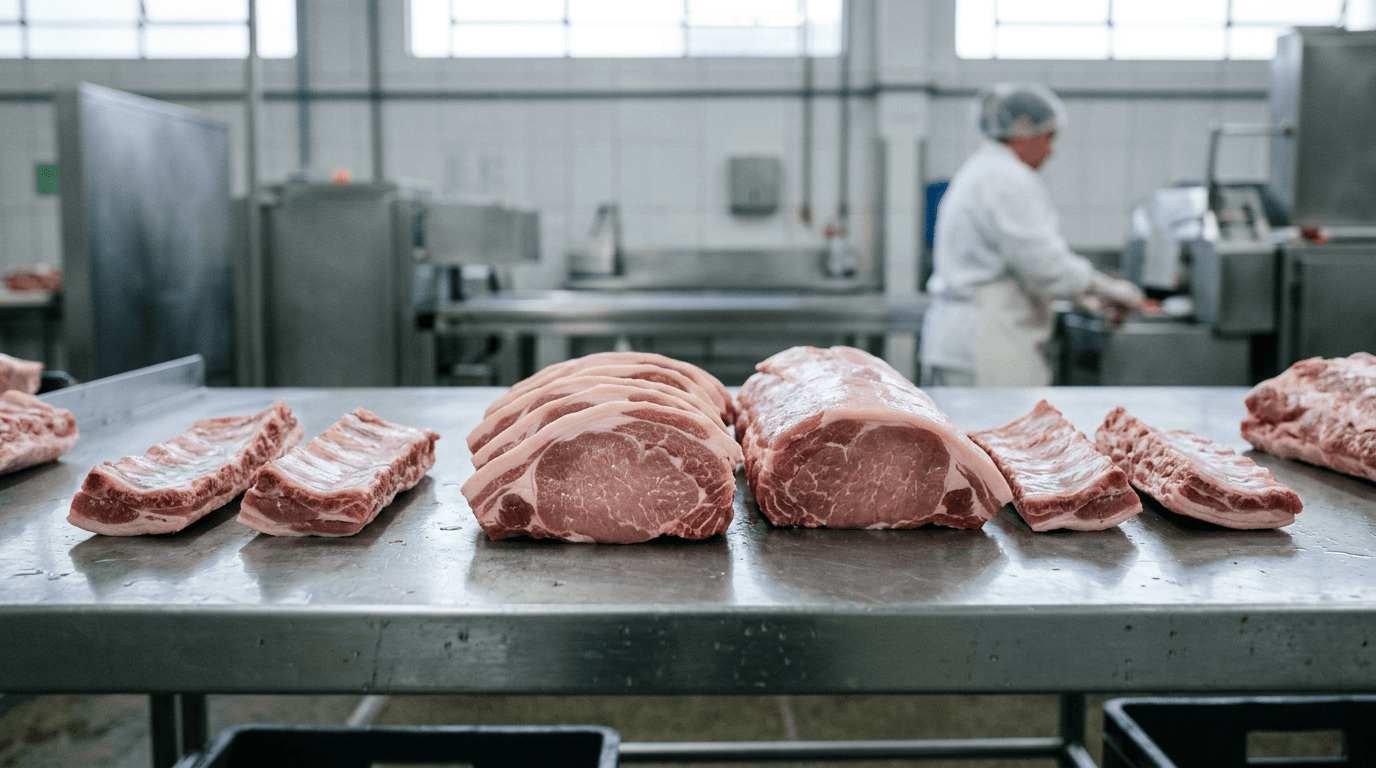
For American retail investors tracking global food commodity prices or holding shares in multinational meatpackers, a sudden policy shift in Southeast Asia is set to reroute global protein flows. The Philippine government has ordered a provisional 60-day suspension on pork imports starting November 24, 2026, to protect its domestic swine industry. Signed on November 7, 2026, by Agriculture Secretary Francisco Tiu Laurel Jr., Department Order No. 33 aims to stop an import surge that has caused local hog farmers an estimated 27.9 billion pesos (approximately $475 million) in gross losses between January and July 2026, according to preliminary investigation findings published by the Philippine Department of Agriculture in November 2026.
Brazil, a critical player in the global food chain, is directly in the crosshairs of this emergency trade barrier. Between January and October 2026, Brazilian trade records show that local exporters shipped more than 300,000 metric tons of pork to the Philippines, representing nearly 25% of Brazil's total pork exports during that ten-month period. The trade, valued at over $587 million, made the Southeast Asian nation one of the most lucrative markets for Brazil's meat sector, which must now pivot to find alternative buyers for hundreds of thousands of tons of meat.
The impact on specific corporate giants is already being evaluated. On its November 12, 2026, third-quarter earnings call, São Paulo-based MBRF Global Foods downplayed the disruption. CEO Miguel Gularte stated that the Philippine market accounts for only 0.8% of the company's total volume, according to a transcript archived by El Fondo on November 12, 2026. The meatpacking giant, formed in late 2025 through the merger of Marfrig and BRF, has opened more than 200 trade destinations over the past two years, which Gularte noted will allow the firm to quickly redirect stranded shipments to other markets.
Does the US import meat from Brazil?
Yes, the United States is a significant buyer of Brazilian animal protein, though mostly in the beef sector rather than pork, which is heavily regulated due to sanitary standards. Unlike the cattle and beef markets where Brazil has secured substantial access to North American consumer tables, fresh pork exports remain tightly restricted by sanitary rules. However, the exchange rate of the Brazilian real (USDBRL) plays a critical role in how competitively these exporters can price their products in alternative Asian and European markets.
When large exporters like Brazil are shut out of major Asian markets, the resulting excess supply of pork can depress global meat prices, affecting the margins of North American competitors and shifting the dynamics of international trade. Furthermore, MBRF Global Foods has deep roots in the American market, owning National Beef and generating roughly 43% of its total revenue directly from the U.S., according to company financial profiles updated in October 2026.
The provisional ban is scheduled to run for 60 days, but agricultural groups in Manila are already lobbying for an extension into 2027, according to press briefings reported by the Tribune on November 10, 2026. The Philippine Department of Agriculture has forwarded the case files to the country’s Tariff Commission for a formal investigation to determine if permanent protective tariffs are required. Global meat exporters will be watching closely to see if the temporary suspension morphs into a long-term trade barrier.
In your brokerage app
American retail investors can track MBRF Global Foods Company S.A. under its over-the-counter ticker MBRFY, representing the newly consolidated operations of Brazilian food giants Marfrig and BRF. While its global diversification protects it from localized bans, the stock remains sensitive to swings in global meat processing margins and broader animal protein supply dynamics.
Related coverage
 How Grain Futures Shift Past Brazil Stock Market Holidays in 2026Large speculators trimmed their net-long soybean positions as of November 3, 2026, navigating a record-breaking South American export crop.
 How a Major Brazil Holding Company Is Swapping CEOs to Slash DebtBrazilian conglomerate Cosan announced CEO Marcelo Martins is stepping down in January 2027 as the company shifts from expansion to aggressive deleveraging.
 Why Corporate Headwinds in Brazil Today Match Wall Street ExpectationsBrazil’s Senate backs a $10.8B spending-cut bill as high interest rates, new labor rules, and a temporary Philippine pork ban squeeze corporate margins.