
New U.S. Soy Deal With Beijing Reshapes Brazil-China Trade
China's multi-year deal to import 25 million tons of U.S. soybeans annually squeezes Brazil's 75% market share, shaking up global agricultural trade.

For global agricultural traders and retail investors holding Chicago Board of Trade soybean futures or shares of New York-listed grain giants like Archer-Daniels-Midland, a major structural demand shift is underway as China begins redirecting massive buying volumes back to North America. Under a bilateral trade agreement, Beijing has committed to import at least 25 million metric tons of U.S. soybeans annually for 2026, 2027, and 2028, according to the American Soybean Association on September 29, 2026. This pact aims to provide long-term demand certainty for American farmers following years of highly volatile agricultural trade.
This enforced shift directly threatens the historic dominance of Brazil, whose soybean exports currently account for 75% of China's total soy imports, according to a report by Brazilian news outlet G1 on November 8, 2026. For years, Brazil's agricultural sector capitalized on trade tensions between Washington and Beijing to capture three-quarters of the Chinese market, creating a massive concentration risk that is now being tested as the U.S. reasserts its market share.
The bilateral agreement, originally brokered during a summit between Presidents Donald Trump and Xi Jinping, represents a political effort to rebalance agricultural trade. While the deal brought immediate relief to U.S. producers, it represents a structural headwind for South American exporters. Although China is making progress toward its 2026 goal—having booked roughly 15 million metric tons as of November 13, 2026, according to Scott Metzger, an Ohio soybean farmer who serves as president of the American Soybean Association—the trade group noted that private Chinese importers still face a 10% retaliatory tariff, funneling much of the current trade through state-owned enterprises.
In Brazil, agricultural operators are preparing for a more competitive environment and a potential drop in export volumes. If U.S.-China trade flows fully normalize under the agreed quotas, Brazil's total annual soybean exports could drop to between 72 million and 75 million metric tons, down from previous record-setting years, as estimated in a market analysis by agricultural economists at Purdue University. This reduction represents a significant headwind for major Brazilian farmland operators and agribusinesses that expanded rapidly during the height of the trade war.
Negotiators from Washington and Beijing are scheduled to meet twice more before a formal trade truce deadline on January 10, 2027. Agri-commodity investors will be watching those meetings closely to see if negotiators address the remaining 10% retaliatory tariff on U.S. beans, which would allow private Chinese buyers to bypass state channels and further accelerate the shift away from Brazilian suppliers.
In your brokerage app
For retail investors, this shift directly impacts the financial outlook of major South American farmland operators like Adecoagro S.A., listed in New York, which manages large agricultural properties in the region and is highly sensitive to global soybean pricing and demand dynamics. It also influences broad commodity funds such as the Teucrium Soybean ETF, listed in New York, which tracks the underlying Chicago soybean futures reacting to this reallocation of global trade.
Related coverage
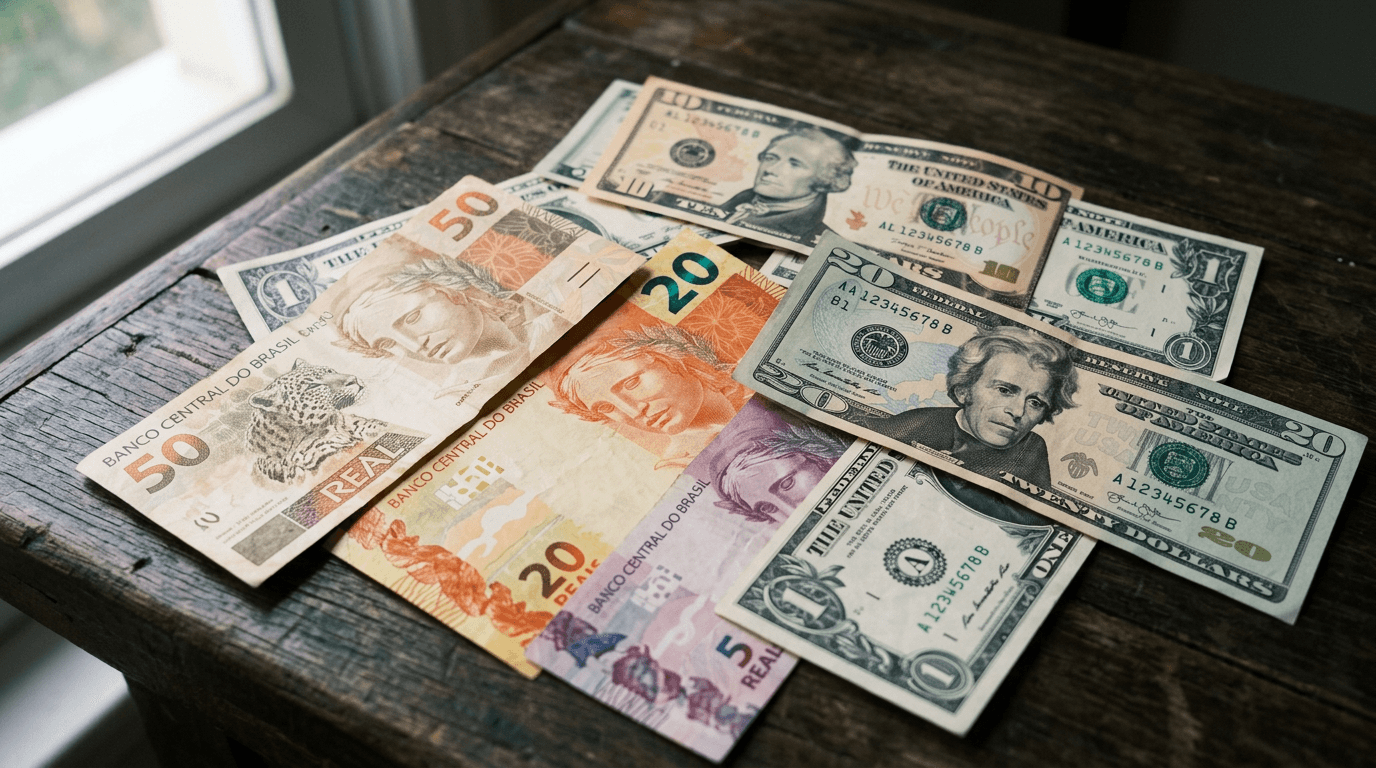 How Shifting Policies in Brazil Today Match the Needs of US InvestorsBrazil passes a major $10 billion fiscal package, tightens rules on strategic rare earth mining, and cracks down on systemic judicial debt fraud.
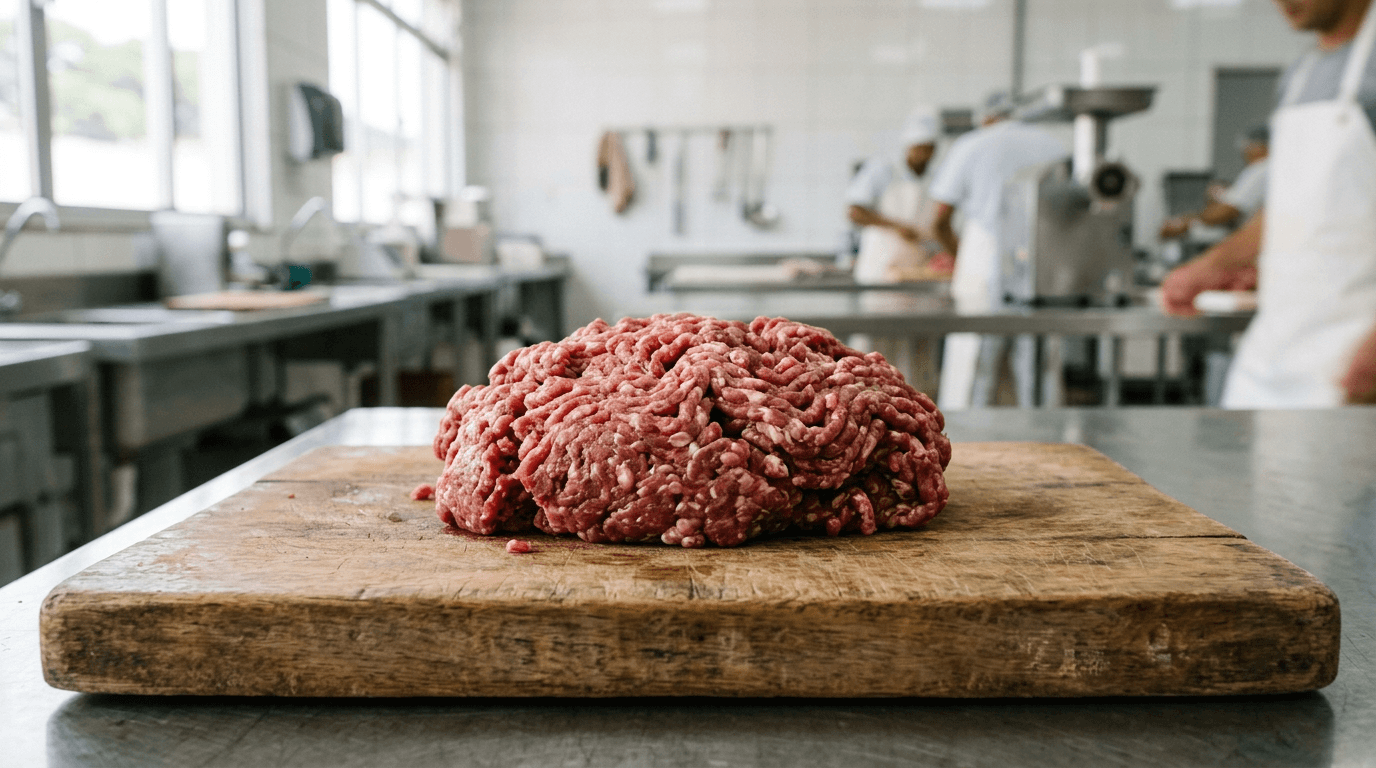 How Brazil ground beef is filling U.S. shelves as China quotas shift exportsMinerva Foods redirects exports to the U.S. to bypass China tariffs as U.S. cattle herds hit a 75-year low, driving ground beef prices higher.
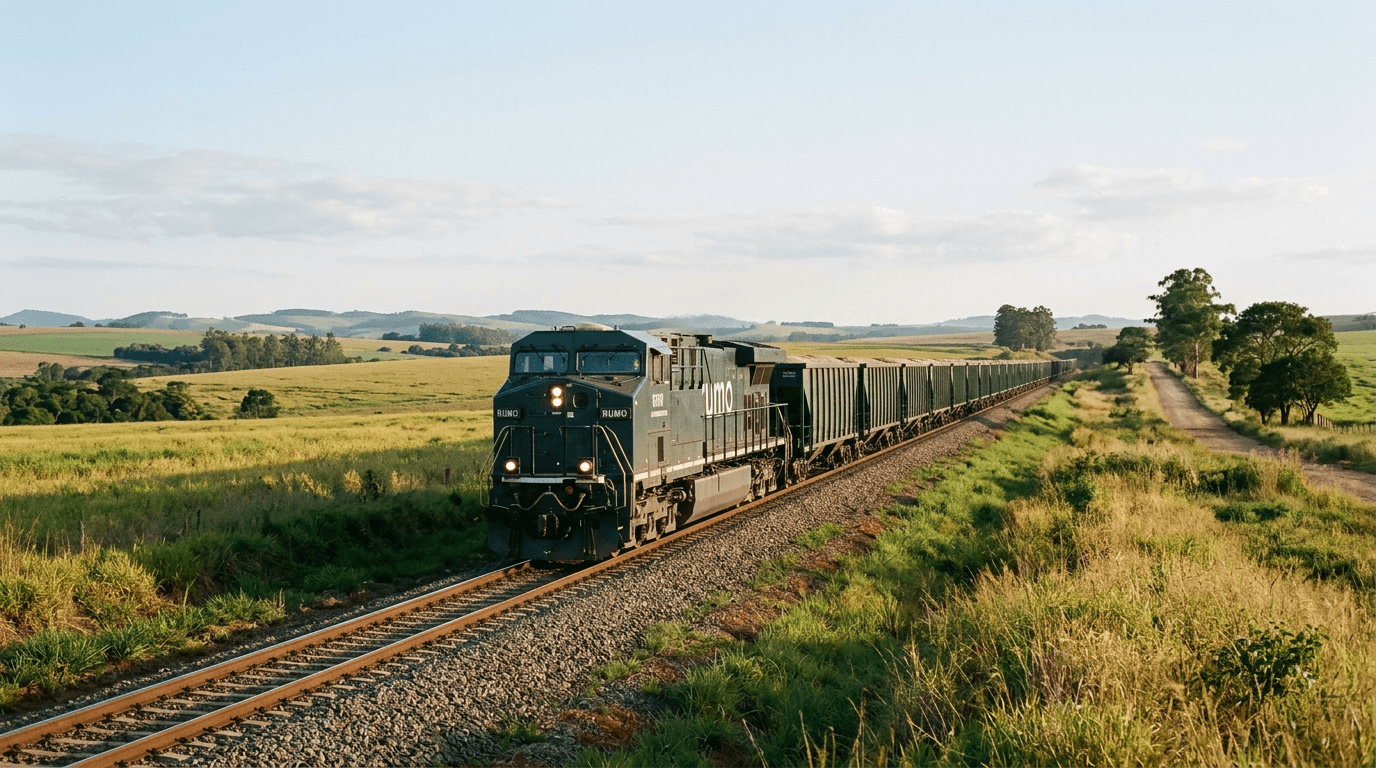 How Cosan's New CEO Impacts Brazil, Your Infrastructure HoldingCosan's Board of Directors appointed Guilherme Penin as interim CEO to lead a shift toward asset sales and deleverage its R$ 9.5 billion net debt.