
Cosan, Not the World's Biggest Conglomerate Company, Cuts Debt
Brazilian giant Cosan names Guilherme Penin interim CEO, replacing Marcelo Martins, and reports a Q3 2026 profit of 190 million reais to reverse its 2025 losses.

American investors holding diversified emerging-market funds or tracking international infrastructure and energy assets are closely monitoring a major strategic turnaround in Latin America. The corporate effort to pay down heavy liabilities and streamline operations has reached a critical turning point with a major executive shakeup and a decisive return to profitability. For retail investors looking at multinational energy and logistics plays, these developments offer a clear blueprint of how debt-laden giants are reorganizing to preserve shareholder value.
On November 13, 2026, Brazilian infrastructure and energy giant Cosan announced that its long-time chief executive officer, Marcelo Martins, will step down on January 4, 2027, to be replaced on an interim basis by veteran executive Guilherme Penin. The leadership swap coincided with Cosan’s third-quarter earnings report, which revealed a net profit of 190 million Brazilian reais ($33 million) attributable to controlling shareholders, according to its Q3 2026 financial report released on November 13, 2026. This result successfully reversed a deep net loss of 1.185 billion reais recorded in the third quarter of 2025, signaling that the group's intense cost-cutting and liability management are beginning to bear fruit.
While it is far from being the world's biggest conglomerate company, Cosan is a dominant force in Brazil’s real economy, controlling massive railway operator Rumo, natural gas distributor Compass, and lubricant producer Moove. It also co-controls Raízen, a massive sugar and ethanol joint venture with Shell that entered extrajudicial restructuring in March 2026 to manage 65.1 billion reais in debt, according to court documents filed at the time. Martins, a 20-year veteran of the group, was instrumental in negotiating Raízen's debt reorganization and securing a major capital injection for Cosan in 2025. He will remain on the board of directors of Cosan and its key subsidiaries to help guide the transition.
The primary mechanism behind Cosan’s financial recovery is an aggressive deleveraging campaign. The holding company's expanded net debt plummeted 48% year-over-year to 9.5 billion reais as of September 2026, down from 18.2 billion reais a year prior, according to Cosan's regulatory filings compiled by InfoMoney. This dramatic reduction was achieved through strategic asset sales, including divesting high-quality, low-risk stakes to simplify the corporate structure. The incoming interim CEO, Guilherme Penin, who has spent ten years at Cosan and serves as vice president of strategy, is expected to continue this pure divestment strategy to further shrink the holding company's leverage under tight market scrutiny.
What to watch next
Going forward, international markets will watch whether Penin can maintain this deleveraging momentum without sacrificing the cash-generating power of Cosan's core assets. The official transition date is set for January 4, 2027, according to a company announcement on November 13, 2026. Additionally, investors will monitor whether Raízen’s massive capital increase of up to 39.8 billion reais, approved by shareholders in late October 2026, successfully stabilizes the joint venture's balance sheet and operational trajectory.
In your brokerage app
US retail investors can find direct exposure to Cosan through its over-the-counter American Depositary Receipts, which trade under the ticker CSANY. The company's publicly traded logistics and bioenergy subsidiaries, such as rail operator Rumo, also represent significant holdings in broad Latin American ETFs, meaning any progress in Cosan's debt reduction directly impacts the risk profile of these diversified emerging-market portfolios.
Related coverage
 How Shifting Policies in Brazil Today Match the Needs of US InvestorsBrazil passes a major $10 billion fiscal package, tightens rules on strategic rare earth mining, and cracks down on systemic judicial debt fraud.
 How Brazil ground beef is filling U.S. shelves as China quotas shift exportsMinerva Foods redirects exports to the U.S. to bypass China tariffs as U.S. cattle herds hit a 75-year low, driving ground beef prices higher.
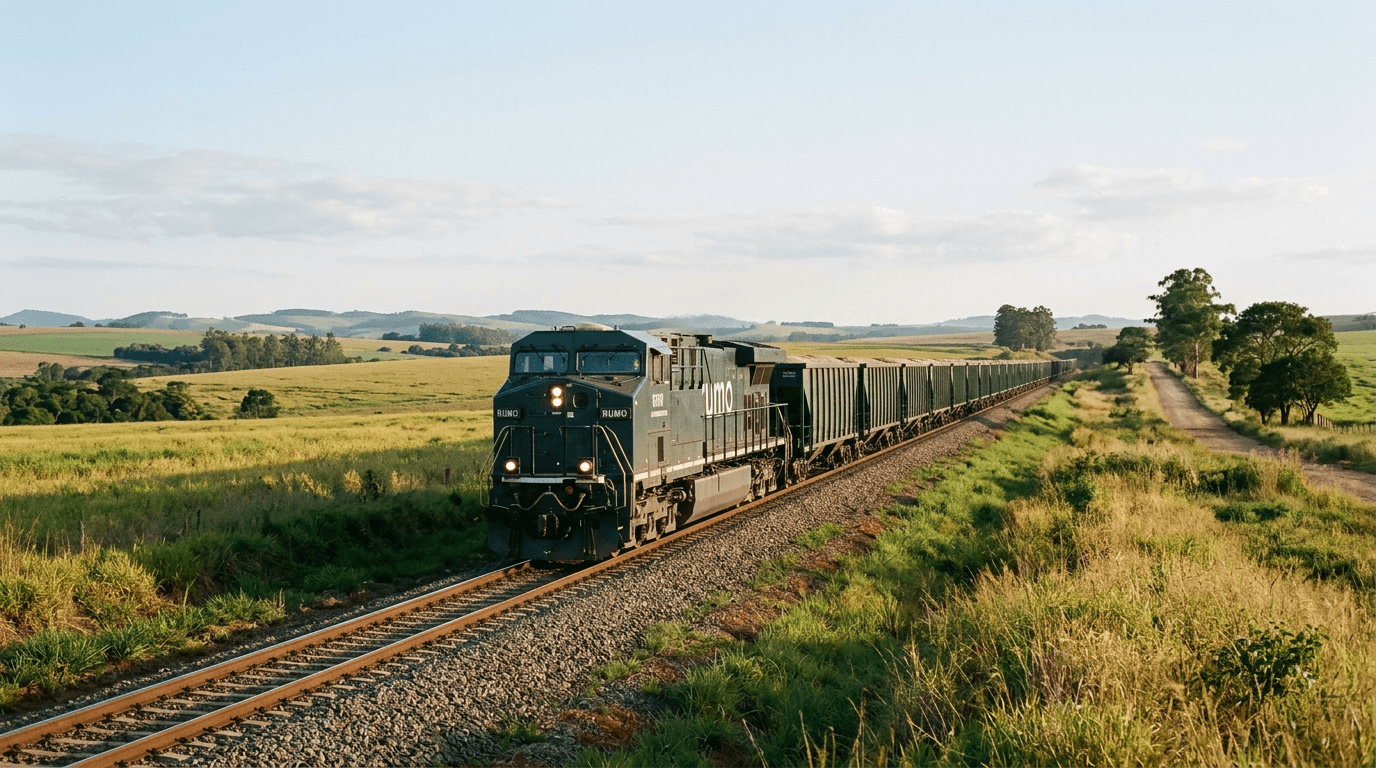 How Cosan's New CEO Impacts Brazil, Your Infrastructure HoldingCosan's Board of Directors appointed Guilherme Penin as interim CEO to lead a shift toward asset sales and deleverage its R$ 9.5 billion net debt.