
Chicago Soybean Shifts Ripple Through the Brazil Stock Market
Speculators cut bullish CBOT soybean bets as of November 3, 2026, as a rapid Brazilian planting pace fuels expectations of a record South American harvest.

For global retail investors tracking grain markets, speculative sentiment in Chicago soybean contracts is a vital check on agricultural portfolios. On November 3, 2026, non-commercial speculators trimmed their bullish bets on Chicago Board of Trade soybeans to a net-long position of 163,618 contracts, according to the U.S. Commodity Futures Trading Commission (CFTC) legacy report. This positioning consisted of 239,253 long contracts versus 75,635 short contracts, with total open interest sitting at 959,576 contracts as of November 3, 2026, per the same CFTC dataset. The decline of 40,501 contracts from the previous week's net-long total of 204,119 contracts on October 27, 2026, signals that speculative enthusiasm is cooling rather than predicting a direct price drop.
Why are these global bets losing steam? Much of the explanation lies in South America, where Brazil—the world's largest producer and exporter of the oilseed—is logging historically fast planting progress. This massive supply potential has direct implications for the Brazil stock market and its top agricultural companies, as heavy supply outlooks cap global price upside. According to Brazil's national supply company, Conab, nationwide soybean planting reached 66.8% completion as of November 6, 2026, outpacing the five-year historical average of 62.7% and the 59.0% recorded during the same week in 2025.
Rapid Planting Dampens Speculative Bets
This rapid sowing pace has bolstered harvest expectations for the 2026/27 marketing year. Conab projected in its October 29, 2026 report that Brazil's national soybean crop could increase by 0.7% to a record 181.62 million metric tonnes, driven by a 1.4% expansion in planted area to 49.3 million hectares. On the global stage, the U.S. Department of Agriculture (USDA) was even more optimistic, holding its projection for Brazil's production at 186.0 million tonnes in its World Agricultural Supply and Demand Estimates (WASDE) report released on November 10, 2026. This potential wall of grain has encouraged spec desks to trim their exposure in Chicago.
For South American agricultural producers, a bumper crop brings mixed financial dynamics. While physical harvest volumes are heading toward records, falling prices squeeze farm margins, especially with high borrowing costs and elevated fertilizer prices. However, a weaker Brazilian real—which fell about 9% against the U.S. dollar following political shifts in late October 2026—helps local farmers by boosting the local currency value of their export sales, even as it adds downside pressure to Chicago-denominated futures.
Looking ahead, international markets will closely monitor weather patterns during the critical pod-filling stages in December and January. Conab’s next official harvest survey is scheduled for mid-November 2026, which will offer the next vital data point for global investors tracking agricultural supplies.
In your brokerage app
American retail investors seeking direct equity exposure to South American agriculture can trade Adecoagro S.A., a major agricultural and farmland operator listed in New York. The company’s operations are heavily influenced by CBOT soybean prices and regional crop cycles, making its stock a primary channel for trading South American agricultural dynamics.
Related coverage
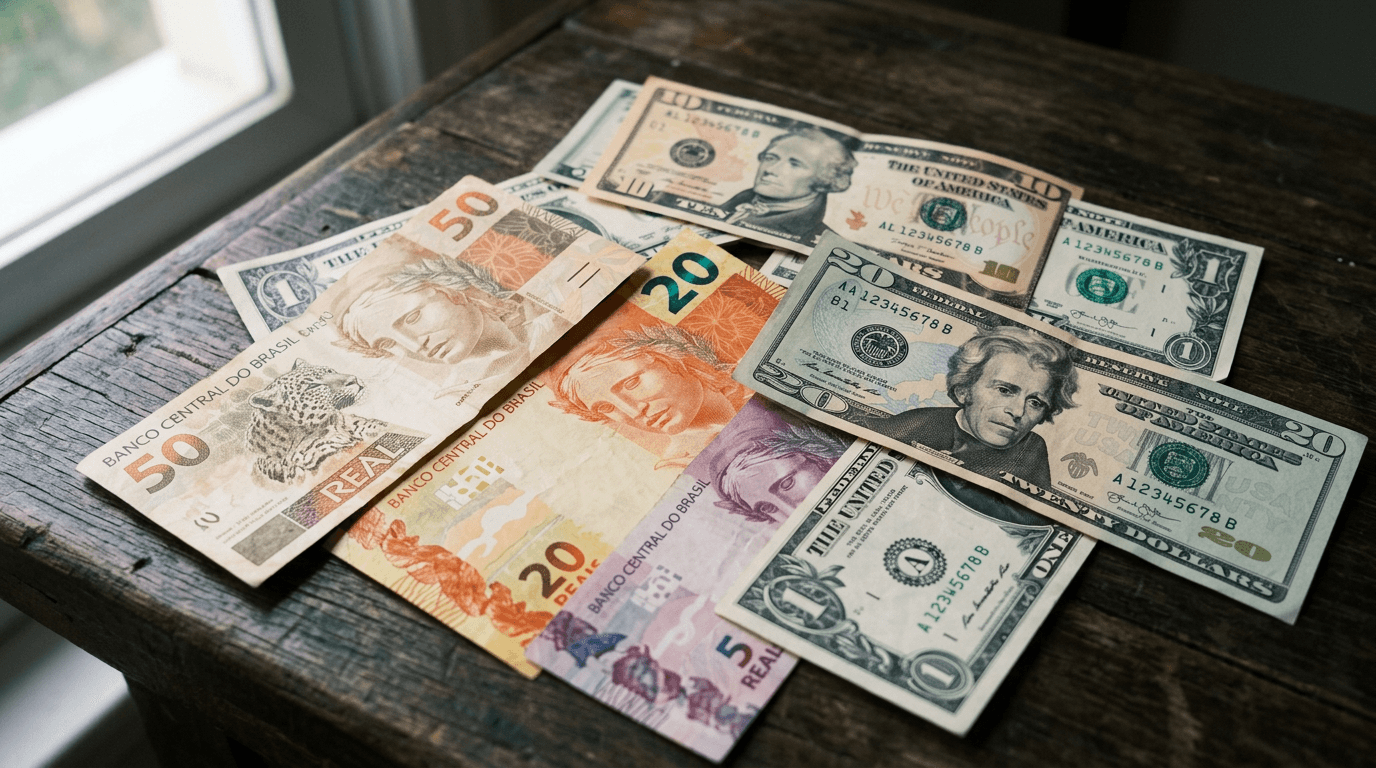 How Shifting Policies in Brazil Today Match the Needs of US InvestorsBrazil passes a major $10 billion fiscal package, tightens rules on strategic rare earth mining, and cracks down on systemic judicial debt fraud.
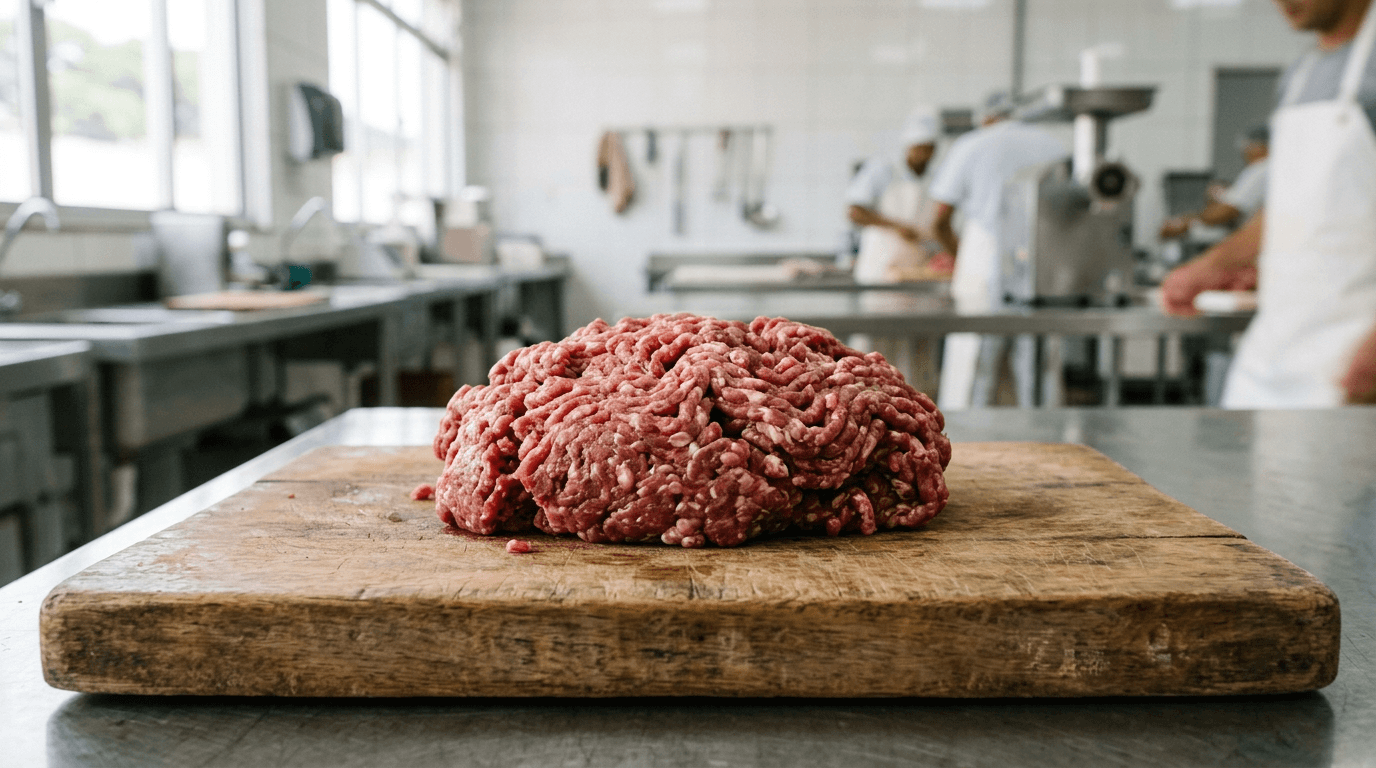 How Brazil ground beef is filling U.S. shelves as China quotas shift exportsMinerva Foods redirects exports to the U.S. to bypass China tariffs as U.S. cattle herds hit a 75-year low, driving ground beef prices higher.
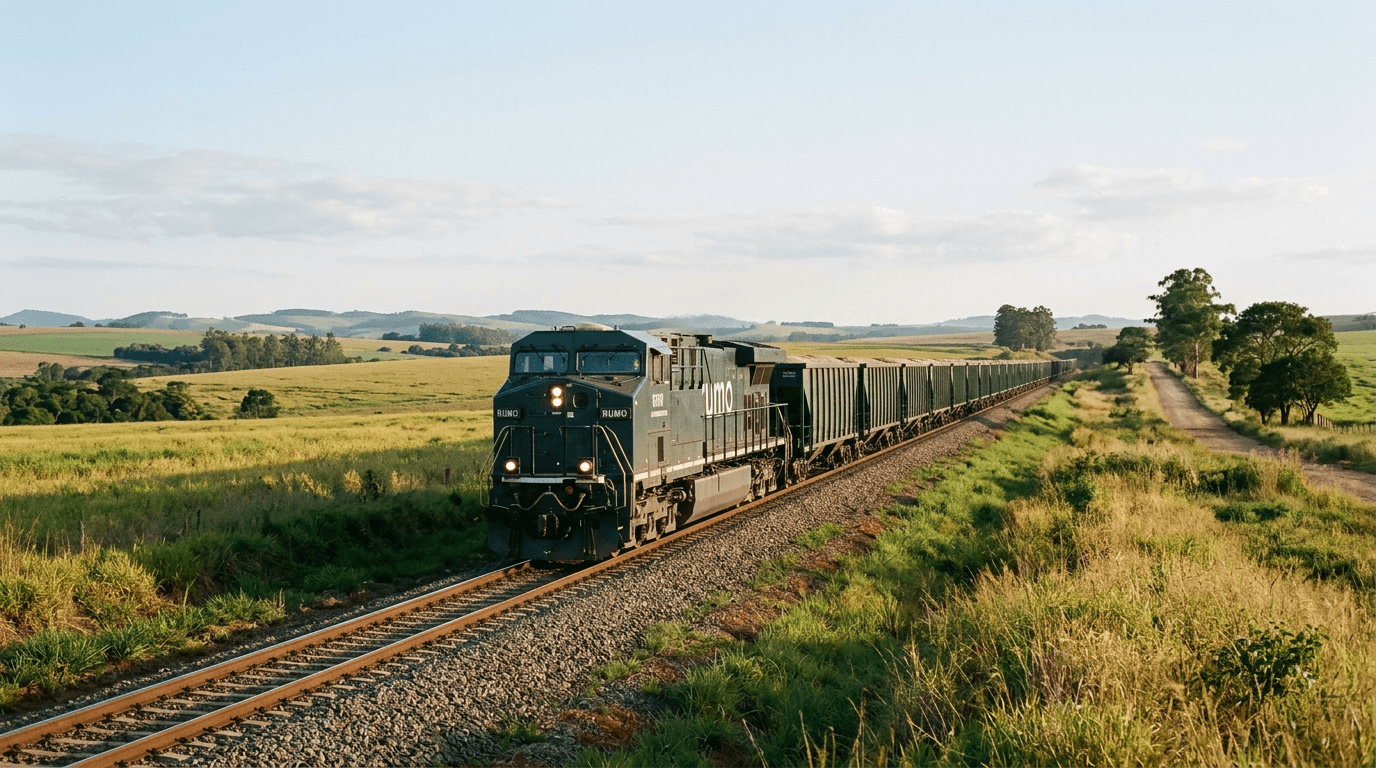 How Cosan's New CEO Impacts Brazil, Your Infrastructure HoldingCosan's Board of Directors appointed Guilherme Penin as interim CEO to lead a shift toward asset sales and deleverage its R$ 9.5 billion net debt.