
Brazil’s Petrobras receives another R$1.03 billion, pushing fuel subsidy tab to R$13.3 billion
State-owned oil giant Petrobras received a new payment of R$1.03 billion from the government's fuel subsidy program, increasing fiscal exposure.

Petróleo Brasileiro S.A., or Petrobras, the state-controlled oil giant, received an additional R$1.03 billion (about US$190 million) from the federal government related to economic subvention programs for diesel, gasoline, and cooking gas. The new payment—made as the government attempts to keep domestic fuel costs lower than the international market—brings the total accumulated amount paid to the company under these subsidy programs to approximately R$13.3 billion.
The payments are the result of the government using a mechanism known as a Provisional Measure (MP), such as MP nº 1.363/2026, to compensate producers and importers for maintaining prices below the international market parity. This allows the government to contain the pass-through effect of global oil price shocks on Brazilian consumers and businesses, especially truckers and farmers who rely on cheaper diesel.
For the intelligent, curious foreigner tracking Brazil’s economy, this matters because it is a clear signal of continued political interference in the commercial strategy of one of the country's most important companies, Petrobras. The mechanism shields the company from direct losses on fuel sales but places the massive financial burden squarely on the federal budget, raising significant fiscal concerns among analysts. The repeated use of subsidies contradicts the company’s official price policy, which theoretically links domestic prices to international benchmarks and the foreign exchange rate.
The government implements the subsidy to neutralize sharp price increases at Petrobras’s refineries without requiring the company to absorb the full cost of the price difference. While this prevents a negative earnings surprise for Petrobras, it exposes the national treasury to billions of reais in payments, a significant source of fiscal risk and a complication for the government’s efforts to stabilize public accounts.
What it touches
The continued and growing expense of the Brazil fuel subsidy programs is a material factor for the country’s sovereign fiscal stability, which is a key element watched by international investors. For the financial market, this government intervention in pricing policies is a central issue for Petróleo Brasileiro S.A. (B3 ticker: PETR4, NYSE ADR: PETR), as it highlights the recurring tension between the company’s commercial interests and the government’s political mandate to control inflation and consumer prices.
Related coverage
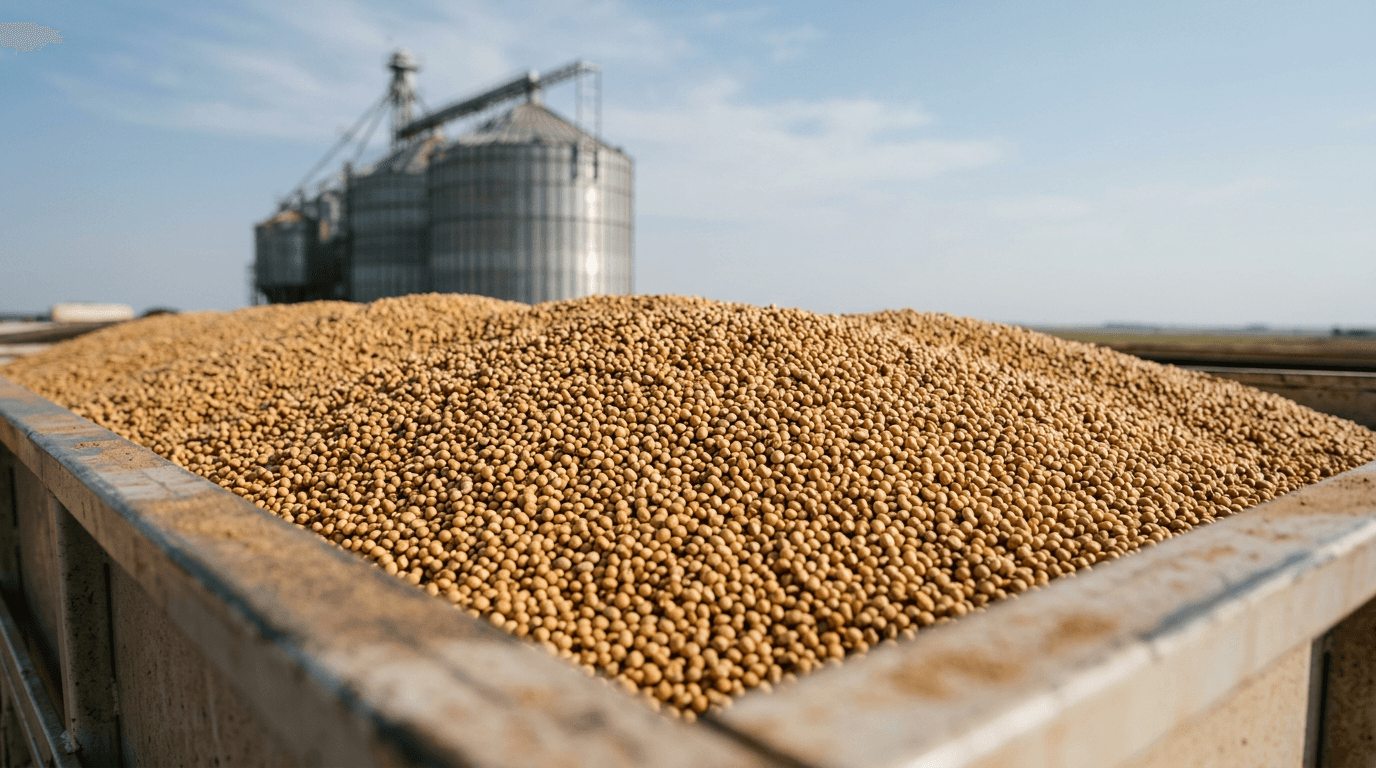 How Grain Futures Shift Past Brazil Stock Market Holidays in 2026Large speculators trimmed their net-long soybean positions as of November 3, 2026, navigating a record-breaking South American export crop.
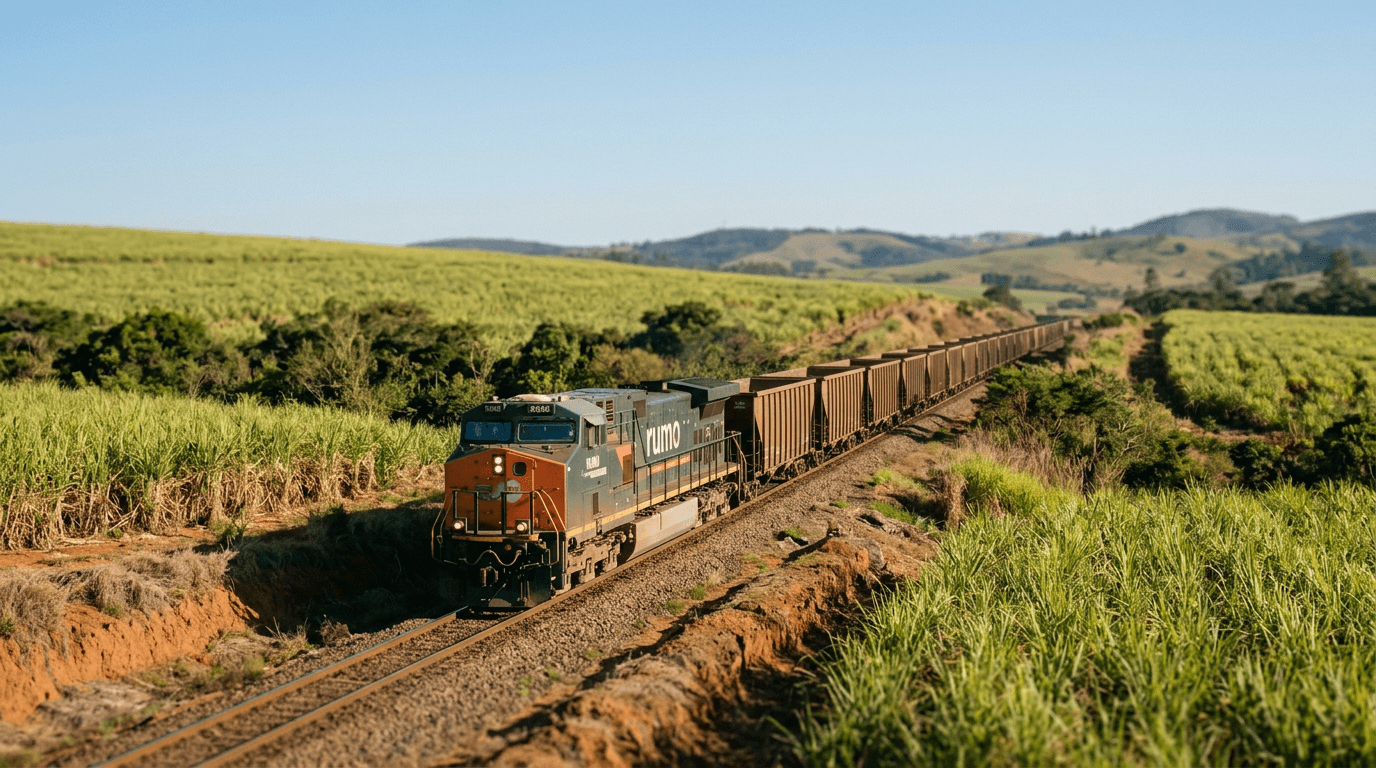 How a Major Brazil Holding Company Is Swapping CEOs to Slash DebtBrazilian conglomerate Cosan announced CEO Marcelo Martins is stepping down in January 2027 as the company shifts from expansion to aggressive deleveraging.
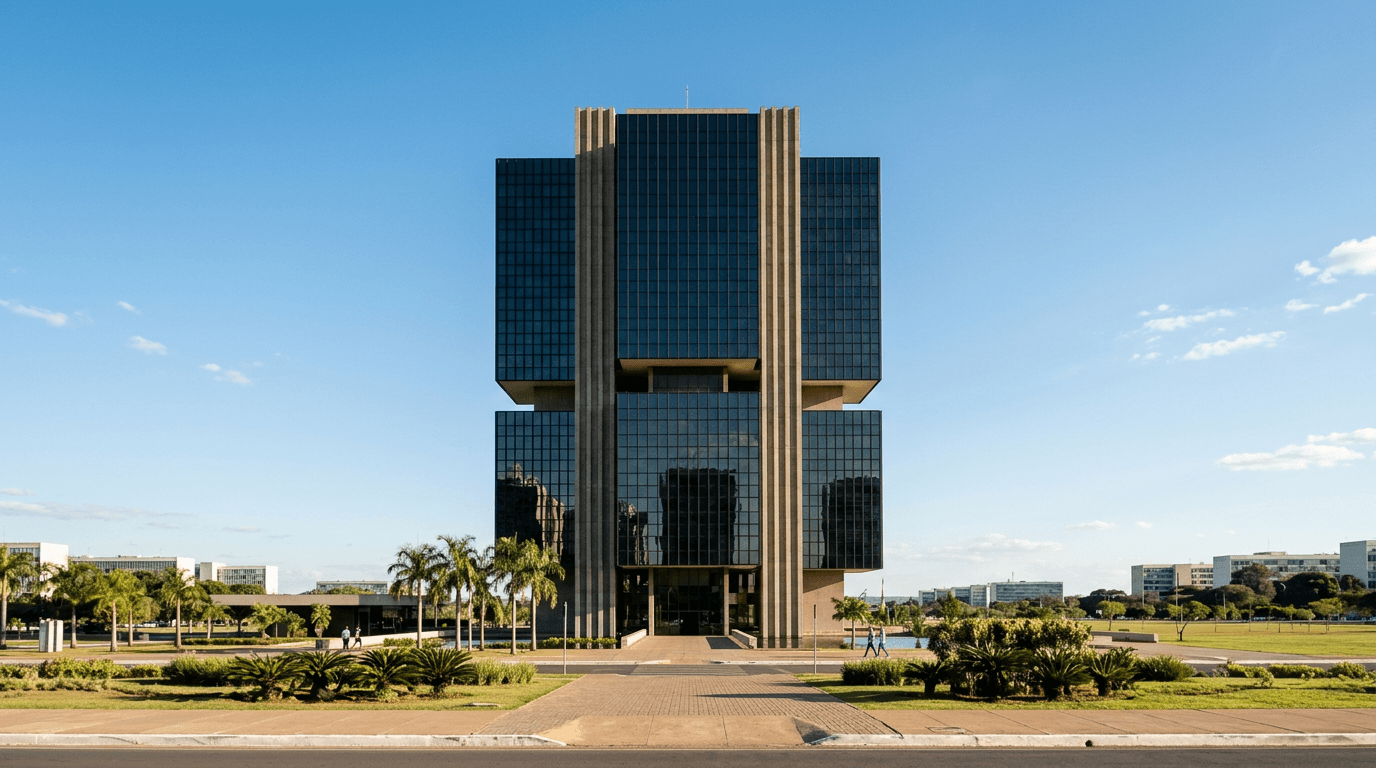 Why Corporate Headwinds in Brazil Today Match Wall Street ExpectationsBrazil’s Senate backs a $10.8B spending-cut bill as high interest rates, new labor rules, and a temporary Philippine pork ban squeeze corporate margins.