
Brazil Targets $9.4 Billion in December Infrastructure Auction Blitz for Roads, Rail, and Airports
Brazil’s government has scheduled a 'Superdezembro' of concessions, offering R$47 billion ($9.4 billion) in infrastructure projects to private investors.
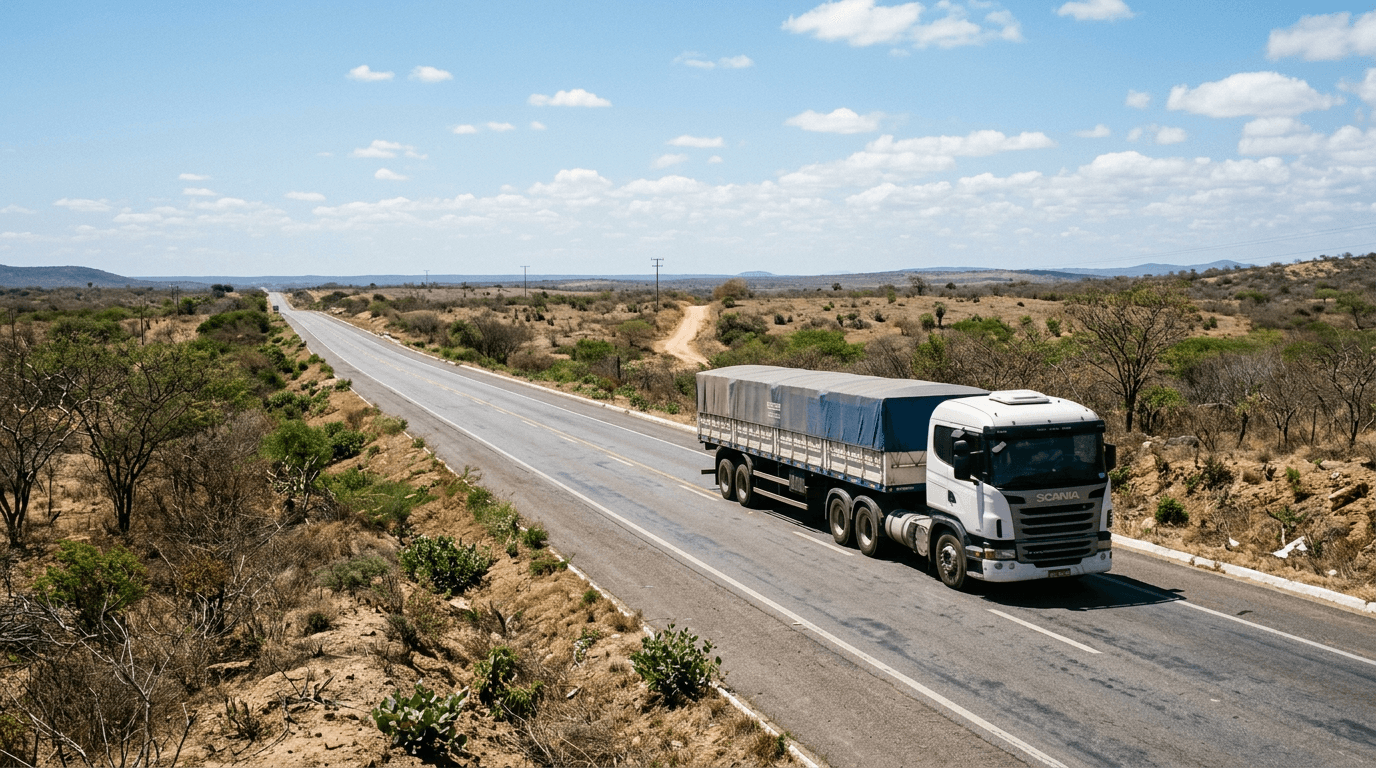
The Brazilian government has scheduled a massive auction of transportation concessions in December, dubbed 'Superdezembro,' announcing plans to put R$47 billion, or approximately $9.4 billion USD, worth of highways, railways, and airports up for private-sector management. The marathon of public-private partnerships (PPPs) is designed to signal a clear commitment to long-term economic growth and draw a new wave of foreign direct investment (FDI) into the country’s aging logistics backbone.
This aggressive end-of-year push is a key indicator of the federal government’s strategy to use private capital to finance essential infrastructure upgrades, alleviating pressure on the national budget. The sheer scale of the projects—from major inter-state highways to critical rail terminals—is expected to attract significant interest from large national and global construction, investment, and infrastructure management firms looking for stable, long-term returns in Latin America’s largest economy.
The concessions cover strategically important assets spanning thousands of kilometers of territory. Scheduled highway auctions include a significant 30-year contract for over 650 kilometers of the BR-116 and BR-324 in Bahia, with expected investment of over R$6 billion, and another involving the Rota do Pequi stretch between Brasília and Goiás, valued near R$8 billion. The portfolio also features the concession of a package of 11 airports, including the Brasília International Airport, set to draw more than R$2 billion in private capital for expansion and modernization. Logistical rail terminals linked to the North-South Railway (FNS) are also on the block, aimed at lowering costs for Brazil's powerful agribusiness sector.
The mechanism of these concessions transfers the responsibility for investment, operation, and maintenance from the government to the winning bidder for a defined period, typically 30 or more years, in exchange for the right to collect tolls or user fees. For the foreign investor, this model offers exposure to a large and growing domestic market with guaranteed revenue streams, while for Brazil, it represents a necessary and sustained improvement in logistics that is essential for increasing productivity and reducing the so-called "Custo Brasil," or the Brazil Cost.
What it touches
The focus on public-private partnerships and major infrastructure concessions provides a direct exposure angle for firms specializing in construction, toll road operation, and investment management. While no specific asset or stock move frames the story, large, diversified global and Brazilian infrastructure fund managers and publicly-listed investment vehicles with a focus on Brazilian real assets, such as Pátria Investments (PAX), stand to benefit from a deeper pipeline of opportunities, as these auctions offer new mandates and projects to deploy capital.
Related coverage
 How Shifting Policies in Brazil Today Match the Needs of US InvestorsBrazil passes a major $10 billion fiscal package, tightens rules on strategic rare earth mining, and cracks down on systemic judicial debt fraud.
 How Brazil ground beef is filling U.S. shelves as China quotas shift exportsMinerva Foods redirects exports to the U.S. to bypass China tariffs as U.S. cattle herds hit a 75-year low, driving ground beef prices higher.
 How Cosan's New CEO Impacts Brazil, Your Infrastructure HoldingCosan's Board of Directors appointed Guilherme Penin as interim CEO to lead a shift toward asset sales and deleverage its R$ 9.5 billion net debt.