

US Soybean Fund Braces for 12% Brazil Export Surcharge under EU Rules
Brazil's Aprosoja warns EU environmental rules starting December 30 will raise soy export costs by 12 percent due to strict supply chain segregation.
Key takeaways
- EU environmental rules starting December 30, 2026, will raise Brazilian soy export costs to the bloc by 12%, per Aprosoja on November 17, 2026
- Physical segregation of grains will cost an extra $60 per ton, per UOL on November 17, 2026
- The EU bought 46% of Brazil's soybean meal between 2021 and 2025, per UOL on November 17, 2026
- Growers in Mato Grosso do Sul worry trading houses will pass back these segregation costs, per Campo Grande News on November 17, 2026
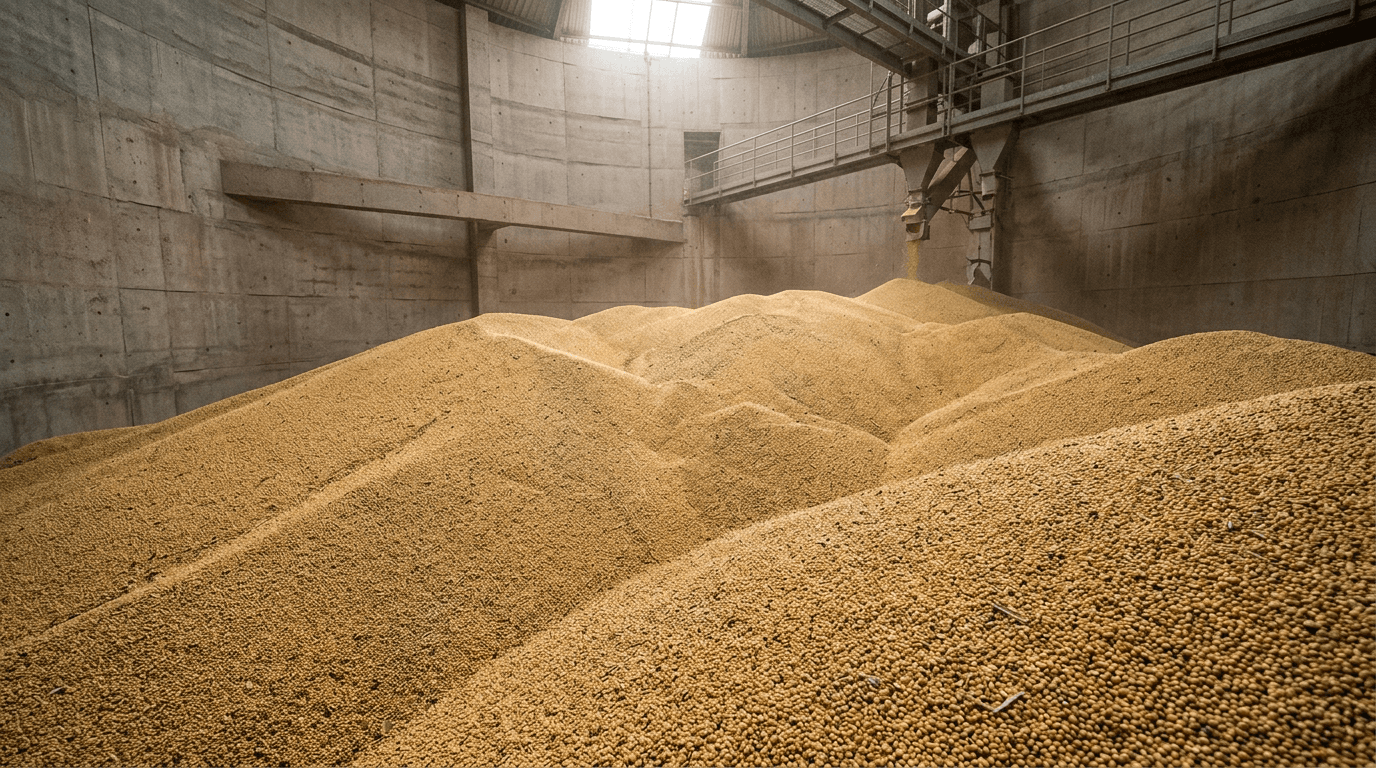
American investors analyzing the Teucrium Soybean Fund EUDR impact are bracing for a logistics shock, as unsegregated supply lines from South America face steep cost hikes. The Brazilian soybean association Aprosoja announced on November 17, 2026, that the European Union Deforestation Regulations (EUDR) scheduled for December 30, 2026, will raise the cost of Brazilian soy exports to the bloc by roughly 12%. This regulatory hurdle, which penalizes unsegregated supply lines, is poised to drive up logistics costs and directly affect global soy pricing.
The price increase stems from strict physical separation, traceability, and logistics mandates. Under the incoming rules, operators must prove with geographic coordinates that their soy was grown on land that has not been deforested since December 31, 2020. To achieve this, trading companies must separate compliant and non-compliant grains across every step of the supply chain—from farm-level silos to trucks, railcars, and bulk vessels. Aprosoja estimates that these physical traceability procedures will cost an extra $60 per ton, compared to October's average Brazilian export price of $494.30 per ton, as reported by UOL on November 17, 2026.
This regulatory shift hits Brazil's export machine where it is highly exposed. While the bulk of raw brazil soybean exports head to China, Europe is a vital destination for processed products. The European Union accounted for an average of 46% of Brazil's soybean meal exports between 2021 and 2025, according to data cited by UOL on November 17, 2026. Slicing up the logistics chain to feed the European market threatens to disrupt overall efficiency, raising export premiums that could ripple back into Chicago Board of Trade futures.
Cost pressures shift inland
The burden of these compliance costs is already sparking tension in key growing regions such as Mato Grosso do Sul, where growers worry that major international trading houses will pass the $60 per ton segregation cost backward, depressing farmgate prices. This worry is mounting even as a healthy brazil soybean crop is expected to hit the market, as noted by Campo Grande News on November 17, 2026.
What to watch next is whether the December 30, 2026, deadline remains firm for medium and large-scale operators. While there have been political attempts within the European Parliament and from partner nations to delay or dilute the regulations, Brussels has kept the December target in place. Additionally, global soy traders will monitor whether European buyers agree to pay the green premium for certified-compliant soy, or if trade flows permanently pivot, sending more unsegregated cargo to less restrictive Asian markets.
In your brokerage app
American retail investors can track this structural shift through the Teucrium Soybean Fund (NYSE Arca: SOYB), which holds liquid CBOT soybean futures contracts. While the fund does not directly own physical Brazilian beans, its performance is tightly bound to global shipping premiums, logistics disruptions, and export cost pressures that originate in South America's major growing hubs.
Related coverage
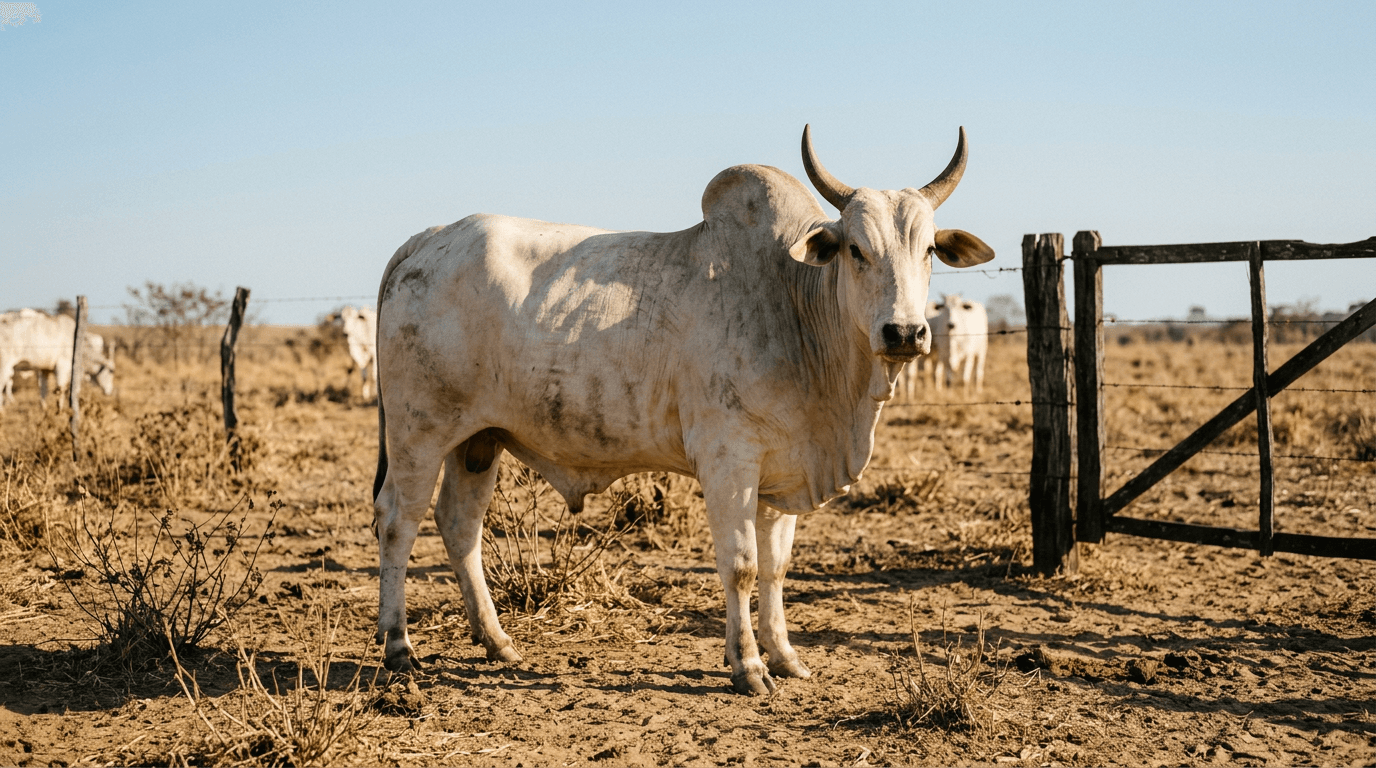 Meatpackers Face Squeeze as Brazilian Cattle Prices Hit Record HighRecord-high cattle prices and a sharp decline in slaughter rates in Brazil are squeezing margins for global beef giants like JBS and Tyson Foods.
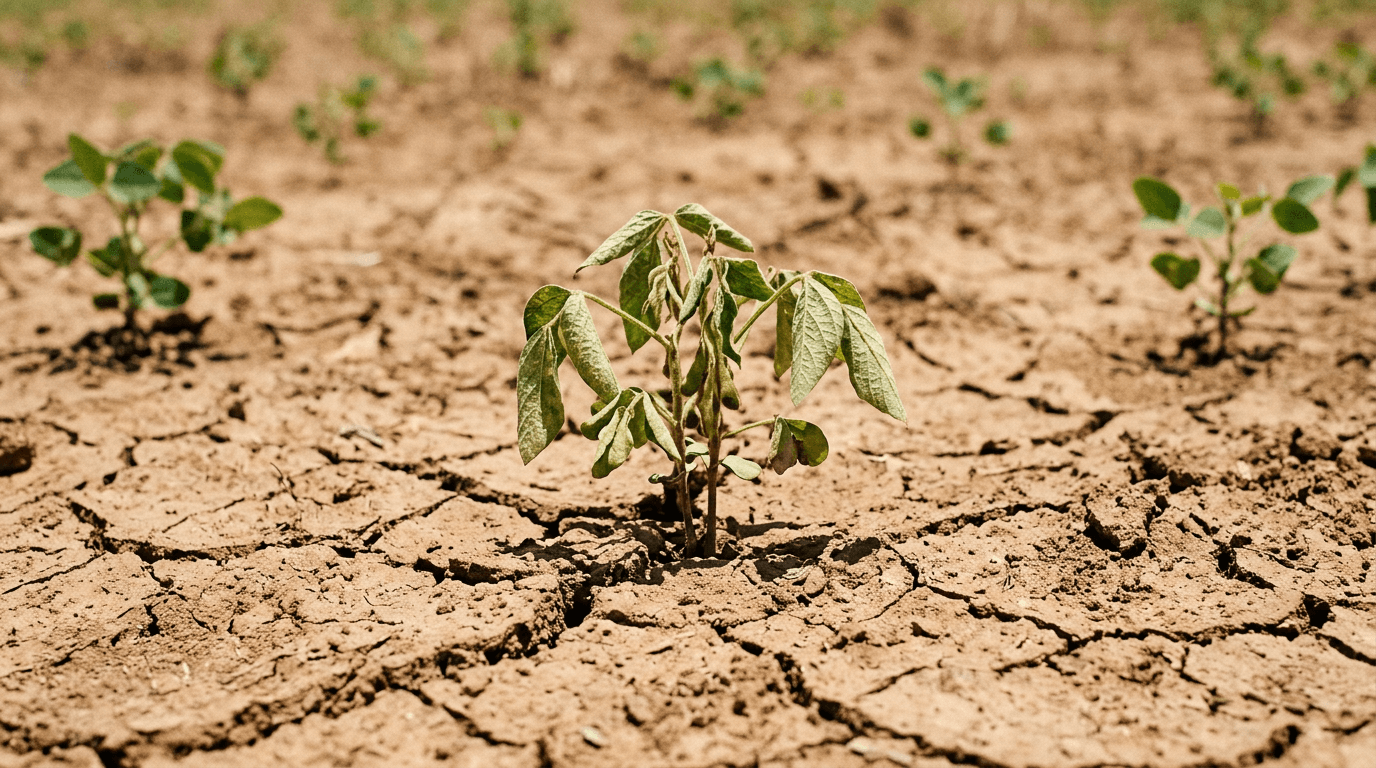 Chicago Soy Futures Face Supply Risk From Bahia Dry SpellWhile Brazil's national soybean planting is ahead of last year's pace, a localized dry spell in western Bahia raises crop-stress risks for global traders.
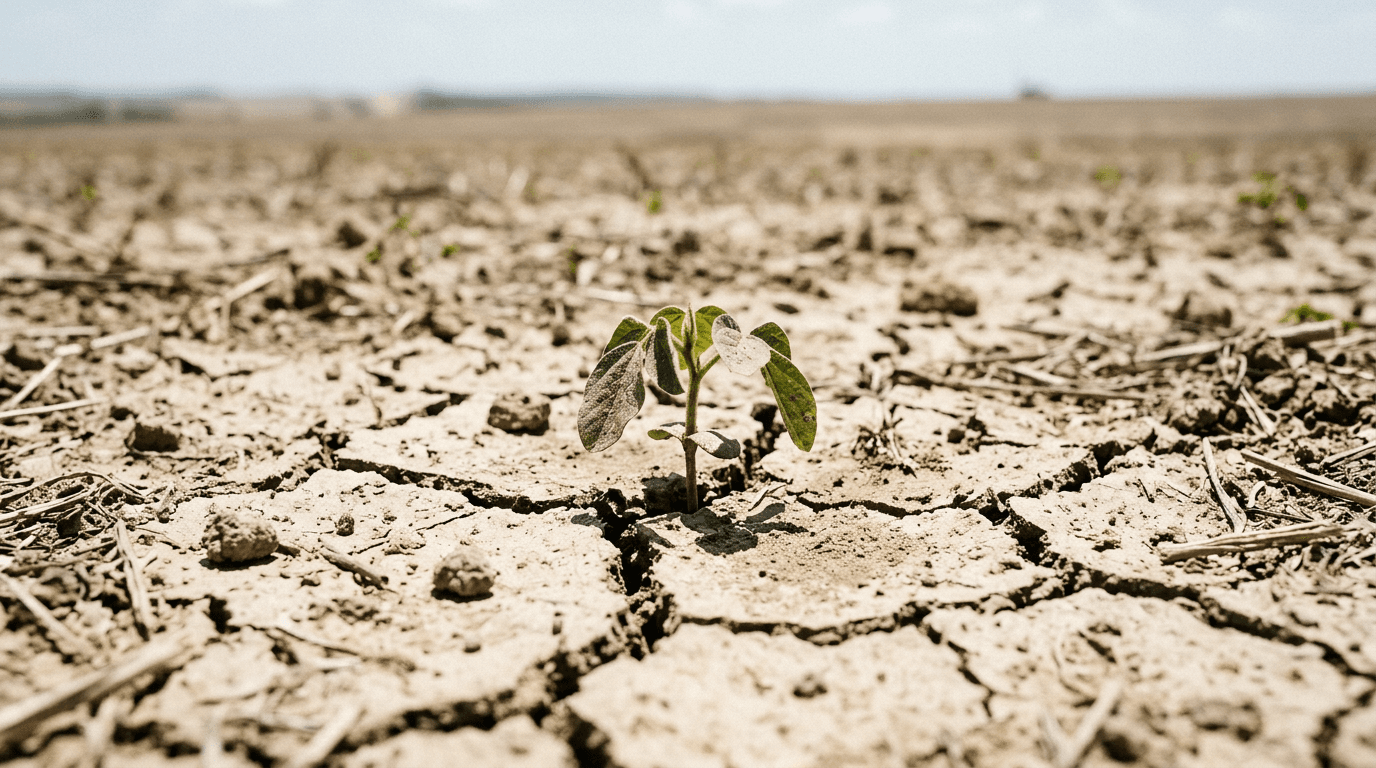 Dry spell in Bahia's soy belt threatens crop yields as heat risesA dry spell of just 7.5mm of rain in seven days in Luis Eduardo Magalhaes, Bahia, threatens young soybean crops as temperatures rise.