

Meatpackers Face Squeeze as Brazilian Cattle Prices Hit Record High
Record-high cattle prices and a sharp decline in slaughter rates in Brazil are squeezing margins for global beef giants like JBS and Tyson Foods.
Key takeaways
- Global meatpackers JBS and Tyson Foods face margin pressure as Brazilian feedstock costs reach unprecedented levels.
- The Cepea/Esalq live cattle indicator hit an inflation-adjusted record high of R$ 395.50 per arroba on November 19, 2026, per Cepea data.
- Brazil's cattle slaughter fell 13.4% year-over-year in the third quarter of 2026 to 9.82 million head, per IBGE on November 23, 2026.
- Aggressive cow slaughter in previous years has severely restricted the current availability of finished animals.
American retail investors holding shares of major global food processors are facing a sudden profitability squeeze as the world's primary source of cheap beef dries up. Multinational meatpackers like Springdale, Arkansas-based Tyson Foods and São Paulo-founded JBS SA, which are heavily traded by international investors, are seeing their operating margins compressed as raw material costs for cattle soar. This supply shock in South America is threatening to raise beef import prices in the U.S. and squeeze profits for companies that rely on low-cost global sourcing to maintain their bottom lines.
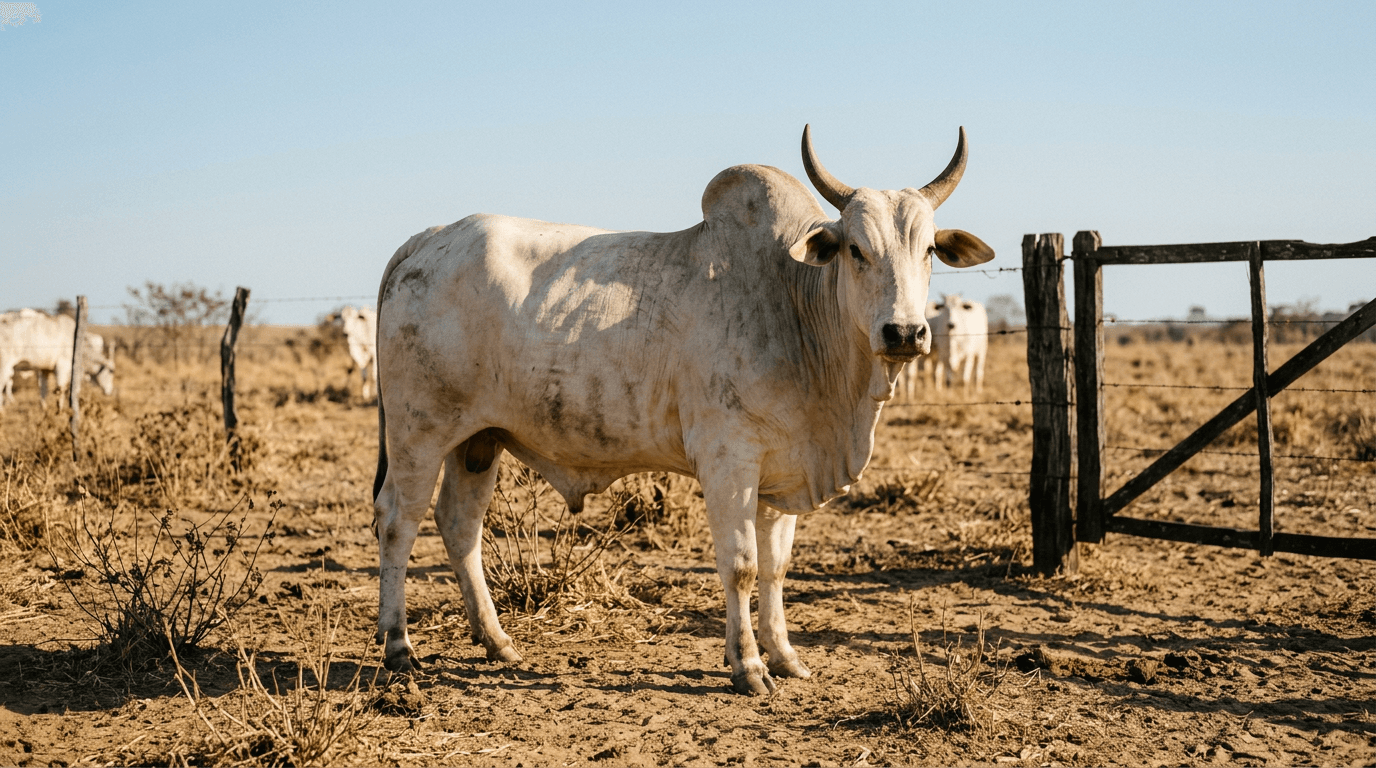
The epicenter of this margin squeeze is in Brazil, where the cost of live cattle has reached heights never before seen in real terms. On November 19, 2026, the Cepea/Esalq live cattle indicator in São Paulo hit a historic inflation-adjusted record high of R$ 395.50 per arroba (a local unit of about 33 pounds), as reported by ig.com.br. This surge is the direct result of an acute shortage of animals ready for slaughter, which has given cattle ranchers unprecedented leverage in negotiations with large meatpackers, according to a market analysis published by capitalnews.com.br on November 22, 2026.
The scale of the supply contraction was officially confirmed on November 23, 2026, when the government statistics agency IBGE released its preliminary livestock data. The figures revealed that cattle slaughter in Brazil fell 13.4% year-over-year in the third quarter of 2026 to 9.82 million head. This marks a dramatic shift from previous years of aggressive cattle liquidation, particularly the high slaughter of cows, which has now severely restricted the availability of finished animals. With fewer head of cattle entering processing plants, the volume of beef produced has shrunk, leaving local and international packers competing fiercely for a limited pool of feedstock.
For international markets, this Brazilian supply crunch has immediate ramifications. Brazil is the world's largest exporter of beef, and its historically low-cost production model acts as a stabilizing anchor for global meat prices. Now, with local prices hovering near R$ 395 per arroba, the cost advantage of importing Brazilian beef is rapidly eroding. This domestic inflation is compounded by strong export demand from Asian markets and a sharp increase in live cattle exports, which further drains the domestic inventory of finished animals.
Going forward, market analysts will watch whether consumer demand can absorb these higher beef prices or if a retail backlash will force processors to eat the cost. The next critical indicator will be the publication of consolidated fourth-quarter slaughter figures by IBGE, which will show whether the supply squeeze has bottomed out or if the margin squeeze on global food giants will persist well into 2027.
In your brokerage app
Investors can track these cost pressures through shares of Tyson Foods, listed on the New York Stock Exchange, or JBS SA, the Brazilian meatpacking giant whose shares trade in the U.S. market as American Depositary Receipts. Exchange-traded funds tracking the global agribusiness sector, such as the VanEck Agribusiness ETF, also hold significant exposure to these multinational food processors, making their quarterly profit margin reports essential viewing as South American livestock costs continue to rise.
Analysis · NWX analysis desk
Which Brazil assets this touches
- JBS, TSN, JBSS3, CATTLE — Named in this story.
Technical picture · JBSS3 (JBSS3)
JBSS3 (JBSS3) closed at R$71.46 on Nov 24, 2026, up 0.8% from five sessions earlier. The last close is above its 20-day average of R$68.60 and above its 50-day average of R$64.69. Since May 29, 2026 it has traded between R$55.44 (low, Oct 1, 2026) and R$73.85 (high, Aug 19, 2026).
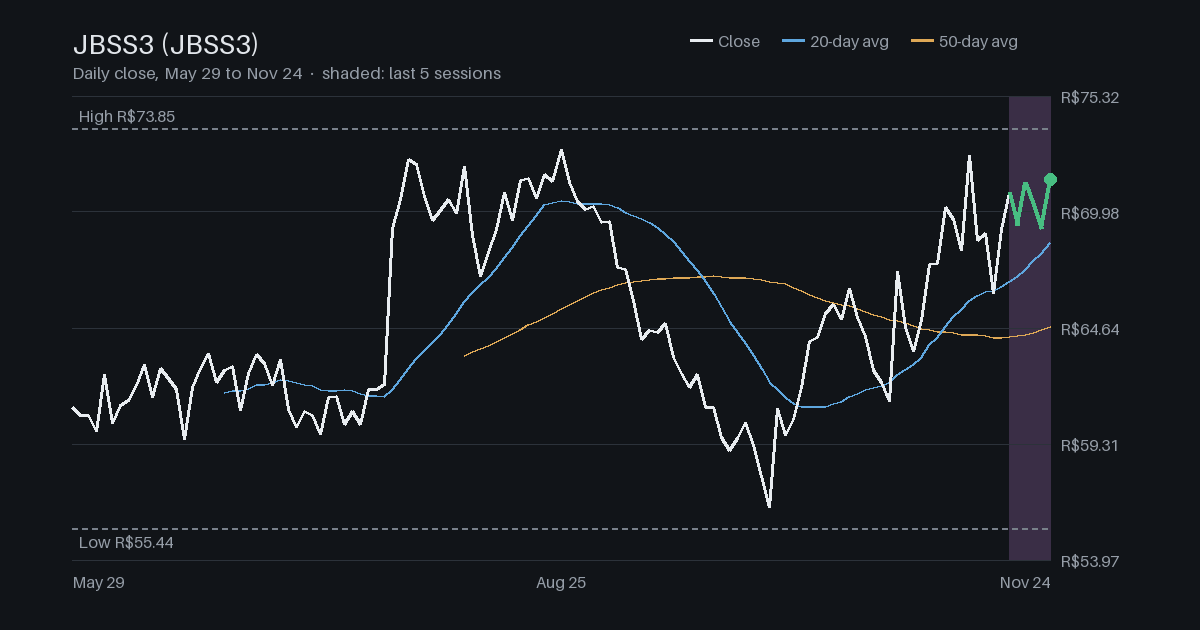
| Last close | R$71.46 | Closing price on Nov 24, 2026. |
|---|---|---|
| 5-session move | +0.8% | Change in the closing price over the last five trading days. |
| 20-day average | R$68.60 | The average closing price of the last 20 trading days. |
| 50-day average | R$64.69 | The average closing price of the last 50 trading days. |
| Period high | R$73.85 | Highest price since May 29, 2026. |
| Period low | R$55.44 | Lowest price since May 29, 2026. |
Related coverage
 US Soybean Fund Braces for 12% Brazil Export Surcharge under EU RulesBrazil's Aprosoja warns EU environmental rules starting December 30 will raise soy export costs by 12 percent due to strict supply chain segregation.
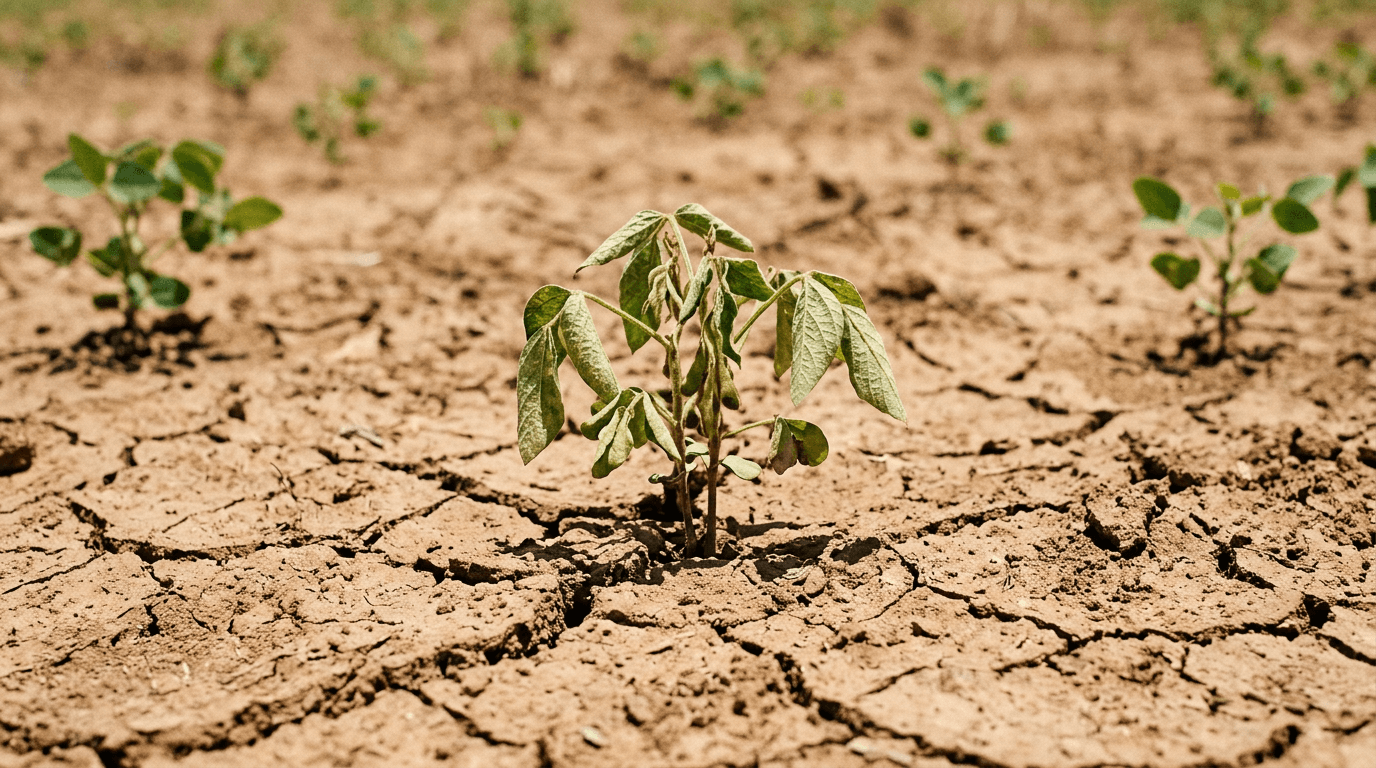 Chicago Soy Futures Face Supply Risk From Bahia Dry SpellWhile Brazil's national soybean planting is ahead of last year's pace, a localized dry spell in western Bahia raises crop-stress risks for global traders.
 Dry spell in Bahia's soy belt threatens crop yields as heat risesA dry spell of just 7.5mm of rain in seven days in Luis Eduardo Magalhaes, Bahia, threatens young soybean crops as temperatures rise.