

Chicago Soy Futures Face Supply Risk From Bahia Dry Spell
While Brazil's national soybean planting is ahead of last year's pace, a localized dry spell in western Bahia raises crop-stress risks for global traders.
Key takeaways
- Chicago soybean futures stood at 1,234.5 cents per bushel on November 24, 2026, according to CBOT market data
- Speculators held a net-long position of 145,816 contracts on November 17, 2026, according to CFTC data
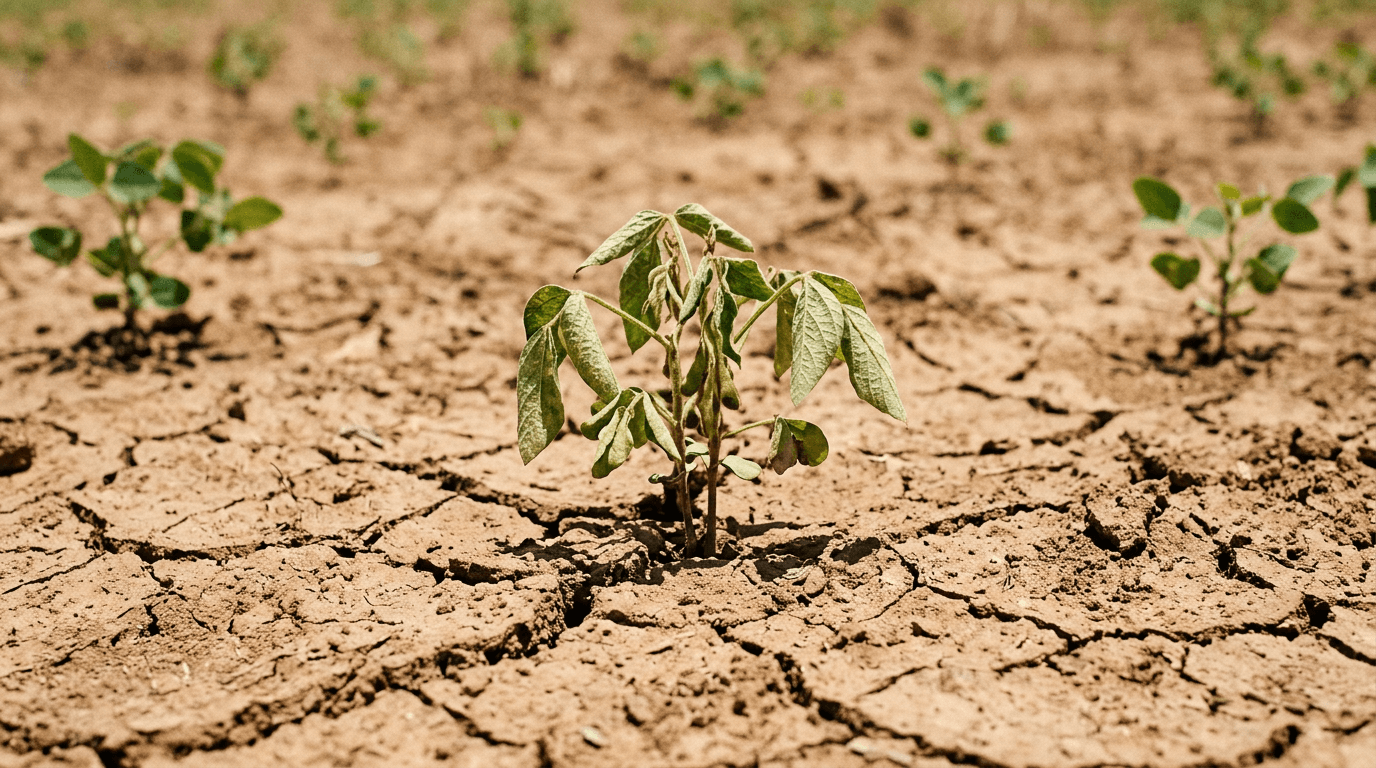
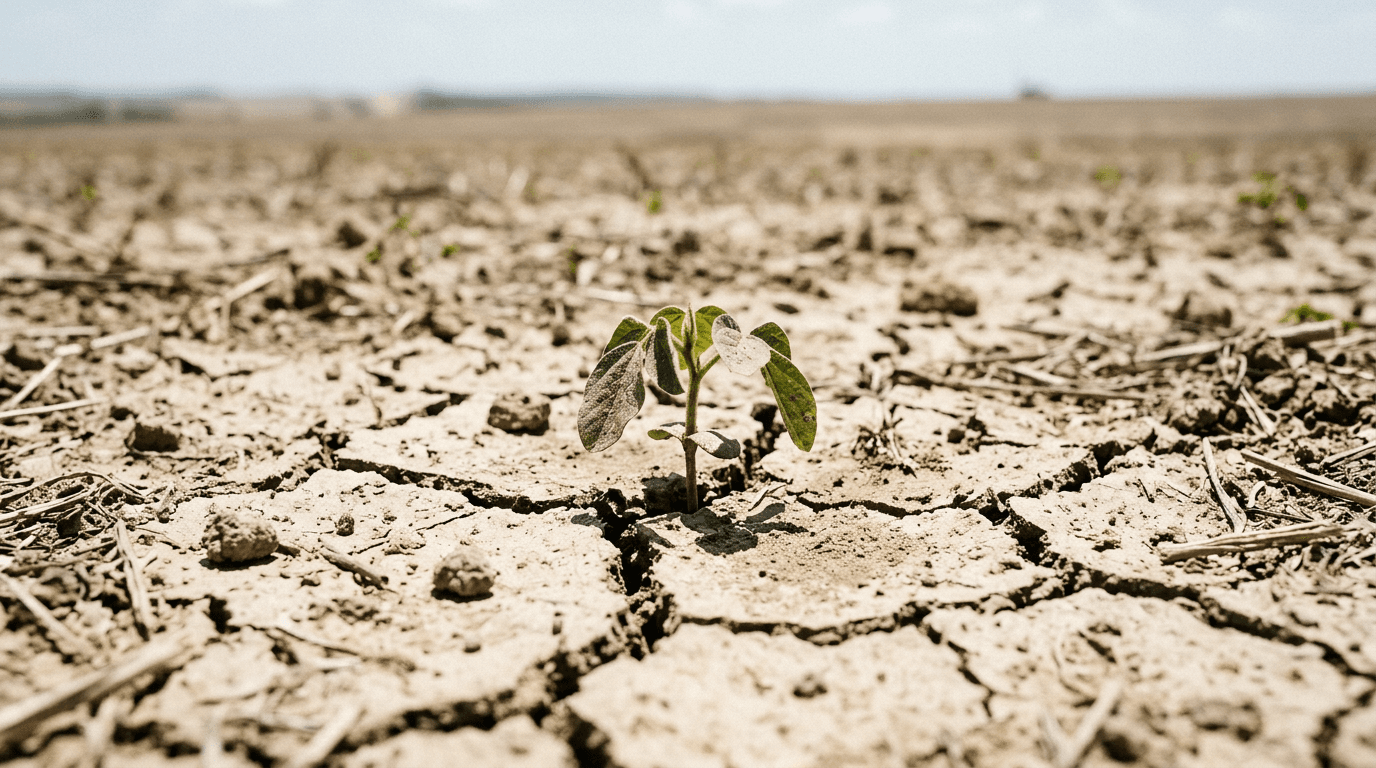
- The municipality of Luís Eduardo Magalhães in Bahia recorded 6 dry days and 6.8 mm of rain over the week ending November 24, 2026, according to local climate monitoring
- Brazil's overall soybean planting reached 86% of the planned area by November 19, 2026, according to AgRural
Chicago soybean futures traded at 1,234.5 cents per bushel on November 24, 2026, according to Chicago Board of Trade market data, as non-commercial speculators held 227,439 long contracts and 81,623 short contracts, representing a net-long position of 145,816 contracts, according to U.S. Commodity Futures Trading Commission Commitments of Traders data from November 17, 2026. Speculative interest remains high as the market weighs a highly divergent weather pattern across South America's agricultural powerhouse.
The physical supply underpinning these positions is shifting to Brazil's northeastern agricultural frontier, where a localized dry spell in western Bahia is raising crop-stress risks. The municipality of Luís Eduardo Magalhães, a major agribusiness hub in Bahia, recorded six dry days and just 6.8 mm of rainfall over the seven days ending November 24, 2026, according to regional climate monitoring data. This dry spell stands in stark contrast to other major agricultural regions of the country, such as Rio Verde in Goiás, which received 146.7 mm of rain with zero dry days, and Cascavel in Paraná, which saw 98.4 mm of precipitation over the same seven-day period, according to national weather registers. Over the same timeframe, the farming hub of Sorriso in Mato Grosso—Brazil's top-producing soybean state—also recorded zero dry days with 43.2 mm of rainfall, highlighting the regional divergence.
The dry weather in western Bahia represents a localized threat in an otherwise rapid national planting season. Brazilian farmers had sown 86% of the planned 2026/2027 soybean area by November 19, 2026, according to data released by agribusiness consultancy AgRural, which is five percentage points ahead of the 81% pace recorded on the same date in 2025. This fast-moving campaign led Brazil's national supply company, Conab, to maintain its record soybean crop projection of 181.6 million metric tons on November 13, 2026, though persistent water stress in the northeast could trim these high expectations.
Currency movements also influence export pricing for global buyers. On November 24, 2026, the Brazilian real traded at 5.8874 per U.S. dollar, down 0.71% from the prior day, according to foreign exchange market data. At the port of Paranaguá, physical soybean prices stood at R$170.74 per 60-kilogram bag on November 24, 2026, according to the Center for Advanced Studies on Applied Economics (CEPEA). A weaker real typically encourages local farmers to sell, but the emerging dry spell in Bahia's rainfed fields adds a layer of supply-side risk that traders are closely watching.
Looking ahead, agricultural meteorologists point to the next wave of tropical moisture through late November 2026 as the deciding factor for western Bahia's crop establishment. If regular rains fail to return to the region, local growers face the prospect of costly replanting, which would compress the window for planting second-crop corn and cotton in early 2027.
In your brokerage app
For retail investors holding the Teucrium Soybean Fund, an exchange-traded fund listed in New York that tracks soybean futures, localized weather risks in Brazil's agricultural frontier remain key drivers of global supply expectations and portfolio volatility.
Related coverage
 Meatpackers Face Squeeze as Brazilian Cattle Prices Hit Record HighRecord-high cattle prices and a sharp decline in slaughter rates in Brazil are squeezing margins for global beef giants like JBS and Tyson Foods.
 US Soybean Fund Braces for 12% Brazil Export Surcharge under EU RulesBrazil's Aprosoja warns EU environmental rules starting December 30 will raise soy export costs by 12 percent due to strict supply chain segregation.
 Dry spell in Bahia's soy belt threatens crop yields as heat risesA dry spell of just 7.5mm of rain in seven days in Luis Eduardo Magalhaes, Bahia, threatens young soybean crops as temperatures rise.