

EWZ and Debt Outlook Stabilize on Senate Passage of Fiscal Package
US listed assets and emerging market debt outlooks stabilize as the Brazilian Senate passes the PLP 299/2026 fiscal package to curb spending growth.

Key takeaways
- Brazilian Senate approved PLP 299/2026 to generate up to R$ 56.1 billion in 2027 savings, per Agência Senado on November 18, 2026
- New fiscal mechanism limits real spending growth to 2% when containment is triggered, per Agência Senado on November 18, 2026
- Opposition amendments were rejected as the bill moved to the Chamber of Deputies, per Agência Brasil on November 18, 2026
US retail investors holding emerging market bonds or Brazil equity ETFs face a tighter deficit trajectory after a critical legislative step in South America. On November 18, 2026, the Brazilian Senate approved PLP 299/2026, a fiscal adjustment package designed to stabilize the country's rising public debt. The legislation, which is projected to generate between R$ 45.1 billion and R$ 56.1 billion in primary savings for the 2027 budget year according to estimates from the Ministry of Planning reported by Agência Brasil on November 18, 2026, represents a key milestone for foreign investors tracking the country's fiscal credibility.
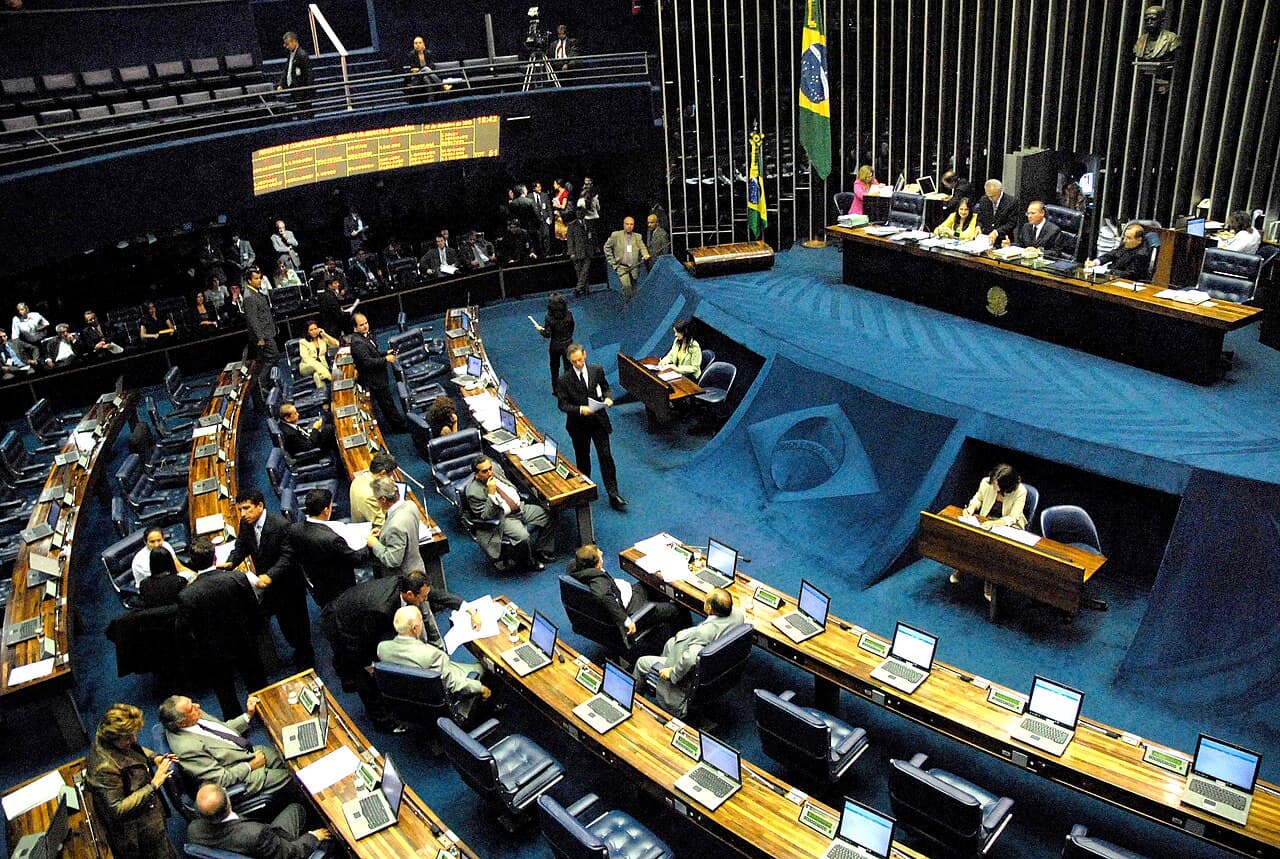
The Senate completed its final vote by rejecting several opposition amendments that threatened to dilute the package, as reported by Agência Brasil on November 18, 2026. Originally introduced by Senator Jaques Wagner and amended by relator Senator Eduardo Braga, the bill was passed on its final supplemental vote by a margin of 69 to 2, according to the official Agência Senado release on November 18, 2026. For global asset managers, the swift passage signals a rare moment of political alignment in Brasilia to address structurally high interest rates and persistent inflation.
At the core of the bill is a mechanical spending trigger designed to enforce discipline when government expenditures exceed targets. Under the approved framework, if the federal government is forced to implement preventative budget freezes, real spending growth for that year will be capped at a maximum of 2% above inflation, down from the 2.5% ceiling in the original framework, according to the Agência Senado report of November 18, 2026. By establishing a hard automatic brake, the bill aims to prevent discretionary spending from expanding when revenues fall short, addressing a primary concern of sovereign debt rating agencies.
Beyond spending controls, the package targets corporate tax loopholes and subsidies to shore up government revenues. The approved text reduces federal tax benefits by up to 20% and caps the ability of companies to use accumulated tax credits, with the restriction on tax credit offsets alone expected to generate between R$ 12.8 billion and R$ 18.3 billion in 2027, according to government projections cited by Agência Brasil on November 18, 2026. Despite pushback from industrial lobbies and local municipalities over deferred federal transfers, the Senate maintained these revenue-generating pillars to ensure the targeted savings materialized.
The legislation now heads to the Chamber of Deputies, where lawmakers are expected to debate the package as early as next week. While government leaders express confidence in a swift approval, some lower-house factions may attempt to carve out exemptions for university funding and strategic investments. Investors will closely watch whether the lower house preserves the strict 2% spending cap and the corporate tax provisions, which are crucial for stabilizing the Brazilian real and local interest rate futures.
In your brokerage app
American retail investors can track the real-time impact of these fiscal developments through the iShares MSCI Brazil ETF, a popular exchange-traded fund listed in New York that holds major Brazilian equities. The stabilization of Brazil's debt outlook also directly influences the USD/BRL exchange rate and emerging market sovereign bonds, both of which are highly sensitive to changes in Brazil's benchmark Selic rate.
Related coverage
 New Monthly Tax Rules to Tighten Grip on US-Listed Banks in BrazilBrazil's National Monetary Council approved monthly tax reporting rules starting in 2028, increasing administrative compliance costs for major banks.
 Central Bank Chief Details Flee Risk Call in Master Leak ProbeBrazil's Central Bank President Gabriel Galípolo details his alert to police over Daniel Vorcaro's flee risk and leaks in the Caso Master probe.
 Senate Passes Fiscal Bill Restricting Brazilian Corporate Tax OffsetsThe Brazilian Senate has approved a fiscal package limiting corporate tax-credit offsets to improve the country's 2027 primary budget balance.