

New Monthly Tax Rules to Tighten Grip on US-Listed Banks in Brazil
Brazil's National Monetary Council approved monthly tax reporting rules starting in 2028, increasing administrative compliance costs for major banks.

Key takeaways
- Brazil's CMN approved Resolution 5,345 on November 19, 2026, forcing monthly bank tax reporting, per the Central Bank of Brazil
- Starting January 1, 2028, financial institutions must submit monthly 'Estatística Fiscal' reports, per Resolution 5,345
- The new rules target sensitive tax provisions and credits to track systemic fiscal risks, increasing compliance costs, per SB24Horas on November 19, 2026
American retail investors holding shares in major New York-listed financial institutions like Itaú Unibanco and Banco Bradesco will soon see these foreign giants navigate a tighter regulatory environment. A newly approved policy mandate will force all operating banks within their primary market to submit highly detailed monthly reports on tax provisions, credits, and collections starting in 2028. This shifts the reporting timeline from long-term cycles to a strict monthly regimen, increasing administrative compliance costs and shining a brighter spotlight on corporate tax disputes.
The policy change comes from Brazil's National Monetary Council (CMN), which approved Resolution 5,345 on November 19, 2026, according to official regulatory disclosures from the Central Bank of Brazil. Under this new regulation, financial institutions must send a monthly report titled 'Estatística Fiscal – Rubricas Contábeis Selecionadas' directly to the central bank. The CMN is the country's highest macroeconomic policymaking body, comprised of the Finance Minister, the Planning Minister, and the central bank president.
This monthly disclosure will include highly sensitive financial components that previously escaped regular short-term scrutiny: exact tax provisions, tax credits utilized, and precise tax collection records, as reported by Brazilian news portal SB24Horas on November 19, 2026. Historically, the tracking of these tax items relied on consolidated, long-term financial statements, which limited the regulator's immediate view of systemic risks. While the central bank will not directly enforce or collect taxes—a task that remains the exclusive domain of the Federal Revenue Service—it will use this granular data to manage broader fiscal risks within the banking sector.
For major banks, the administrative burden of compiling and validating these complex figures every thirty days is expected to push up operational expenses. These institutions already operate under a highly complex fiscal system while dealing with restrictive monetary policies, such as Brazil's benchmark Selic interest rate which sits at 13.75% as of November 20, 2026, according to central bank market data. Financial sector observers note that the rule change, detailed by UOL on November 19, 2026, represents an incremental step in modernizing the country's financial supervision but will inevitably squeeze bank efficiency ratios in the short term.
The long lead time before the rule takes effect on January 1, 2028, is designed to give accounting, technology, and compliance departments at these massive institutions sufficient time to restructure their data pipelines. Investors will want to monitor whether the central bank releases further technical specifications or layout changes for the monthly reporting templates in the coming months, which could signal even higher upfront development costs for the affected banks.
In your brokerage app
Investors holding exchange-traded funds with heavy exposure to South American finance, such as the iShares MSCI Brazil ETF, or individual New York-listed ADRs of lenders like Itaú Unibanco and Banco Bradesco, may see these companies flag compliance adaptation expenses in their upcoming annual filings. While the rule does not alter the actual corporate tax rate, the increased transparency and monthly monitoring of tax credits and provisions could lead to more conservative accounting practices.
Related coverage
 Central Bank Chief Details Flee Risk Call in Master Leak ProbeBrazil's Central Bank President Gabriel Galípolo details his alert to police over Daniel Vorcaro's flee risk and leaks in the Caso Master probe.
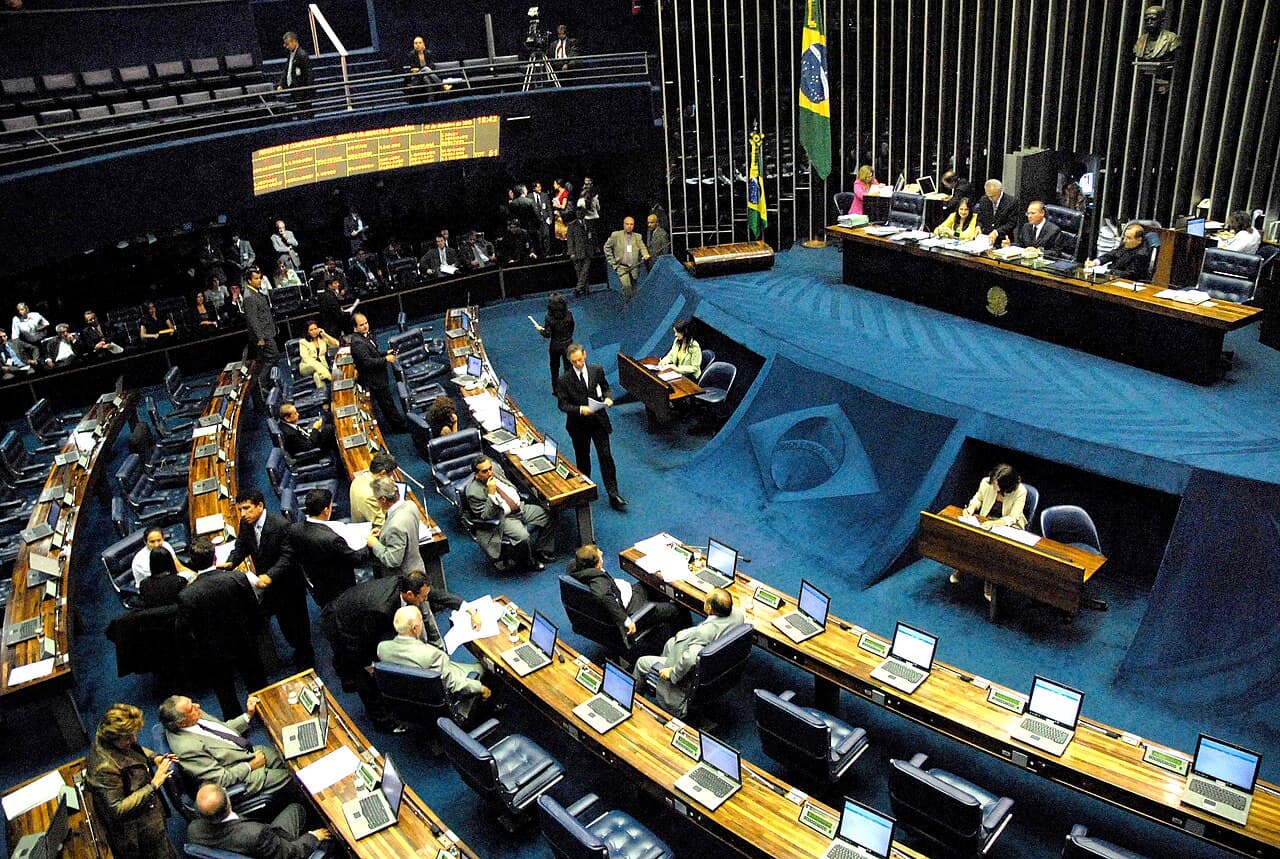 Senate Passes Fiscal Bill Restricting Brazilian Corporate Tax OffsetsThe Brazilian Senate has approved a fiscal package limiting corporate tax-credit offsets to improve the country's 2027 primary budget balance.
 US-Listed Brazil ETF Braces for Impact as Senate Passes $10B BillBrazil's Senate passed a $10 billion fiscal adjustment bill, modifying spending ceilings and tax benefits, ahead of a key Chamber of Deputies vote on Nov. 23.