

Senate Passes Fiscal Bill Restricting Brazilian Corporate Tax Offsets
The Brazilian Senate has approved a fiscal package limiting corporate tax-credit offsets to improve the country's 2027 primary budget balance.
Key takeaways
- Brazilian Senate approved PLP 299/2026 on November 18, 2026, per official Senate records
- The bill limits federal tax-credit offsets to improve the 2027 primary balance by R$ 45.1 billion to R$ 56.1 billion, according to Agência Brasil
- The package doubles the linear cut of federal tax benefits from 10% to 20%, as stated in the bill text
- Brazilian business associations warn the measures will increase legal uncertainty and compress corporate cash flows
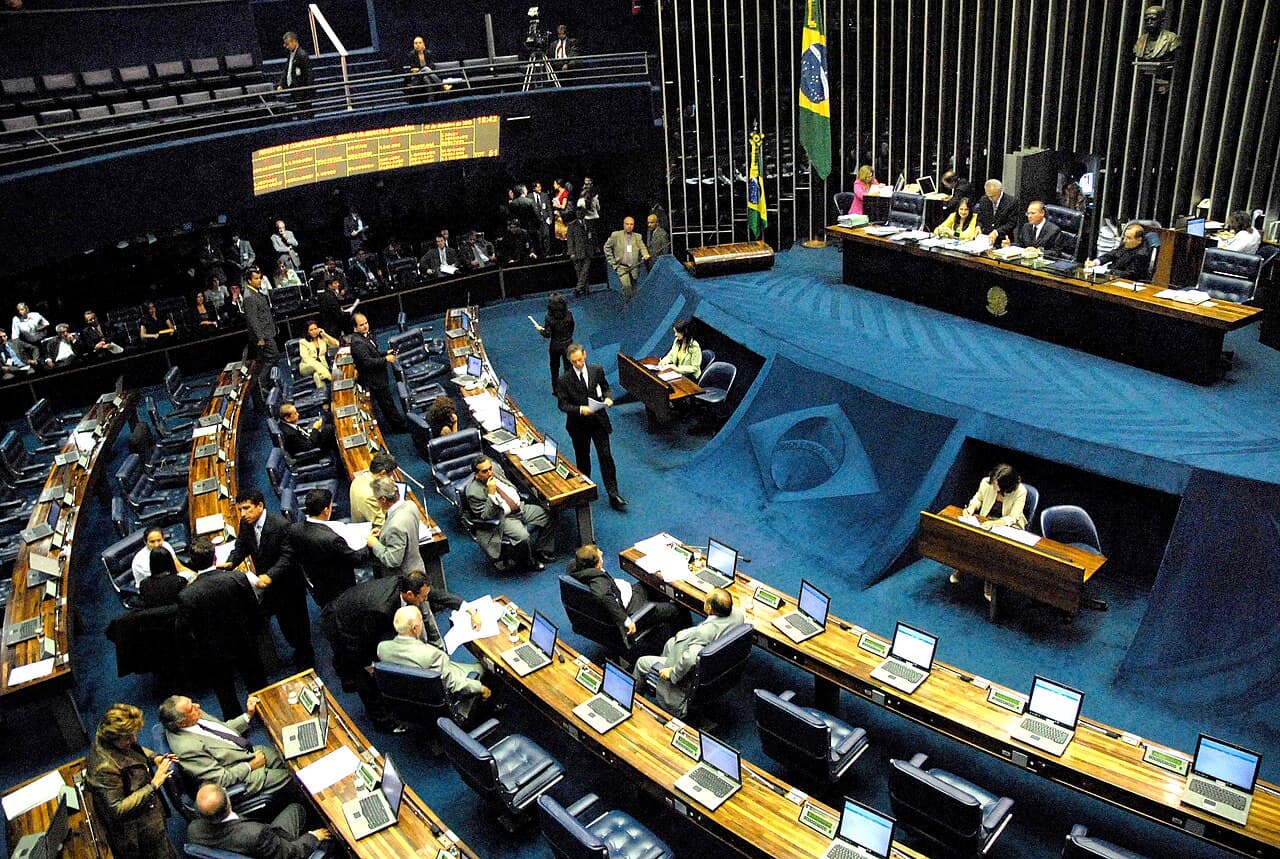
The Brazilian Senate completed its final legislative vote on November 18, 2026, passing a landmark fiscal package that restricts how corporations can offset federal tax liabilities. The bill, known as PLP 299/2026, passed by a 69-to-2 margin and now heads to the Chamber of Deputies with urgency status. Designed to generate between R$ 45.1 billion and R$ 56.1 billion in fiscal savings, the legislation aims to help Brazil target a primary budget surplus of 0.5% of GDP in 2027, according to Agência Brasil.
The legislative package, sponsored by Senator Jaques Wagner, introduces several tightening measures. A key component is Article 6-F, which permits the federal government to temporarily restrict companies from using accumulated federal tax credits to offset their tax debts when spending caps are triggered. By limiting the use of these credits, the government forces businesses to settle their federal tax obligations in cash rather than using ledger assets.
In addition to the credit restrictions, the bill doubles the linear cut on corporate tax benefits from 10% to 20%, modifying previous rules established under LC 224/25. Under these new parameters, eligible companies can only utilize up to 80% of certain tax benefits, requiring them to pay the remaining 20% of the tax rate in cash, per the official Senate legislative portal. These revenue-raising provisions are estimated to yield up to R$ 33.3 billion, helping shore up the government's budget planning.
Business associations have strongly criticized the changes, warning that the measures will increase legal uncertainty and compromise corporate cash flows. Under the new rules, companies face a sudden loss of tax offsets that effectively acts as an immediate cash squeeze, reducing capital available for reinvestment and operations. Opponents also argue that the broad delegation of power to the Executive to restrict these credits compromises long-term planning.
The fiscal package now heads to the Chamber of Deputies, where the government is pushing for a rapid vote. House leaders have indicated they will attempt to maintain the Senate's text to prevent further delays in passing the 2027 federal budget. Investors will be watching whether lower house representatives introduce further amendments or if the bill passes swiftly before the year-end legislative recess.
In your brokerage app
For foreign retail investors, this broad-based fiscal tightening directly impacts the financial outlook for Brazilian corporations represented in major investment vehicles. The iShares MSCI Brazil ETF (EWZ) holds large weights in New York-listed American Depositary Receipts (ADRs) of major Brazilian exporters, private banks, and conglomerates. Because the fiscal package reduces corporate tax benefits and permits restrictions on federal tax-credit offsets, any broad-based cash squeeze on Brazilian corporations is likely to register in the overall performance of the Brazil ETF and individual US-listed ADRs.
Related coverage
 New Monthly Tax Rules to Tighten Grip on US-Listed Banks in BrazilBrazil's National Monetary Council approved monthly tax reporting rules starting in 2028, increasing administrative compliance costs for major banks.
 Central Bank Chief Details Flee Risk Call in Master Leak ProbeBrazil's Central Bank President Gabriel Galípolo details his alert to police over Daniel Vorcaro's flee risk and leaks in the Caso Master probe.
 US-Listed Brazil ETF Braces for Impact as Senate Passes $10B BillBrazil's Senate passed a $10 billion fiscal adjustment bill, modifying spending ceilings and tax benefits, ahead of a key Chamber of Deputies vote on Nov. 23.