

Central Bank Chief Details Flee Risk Call in Master Leak Probe
Brazil's Central Bank President Gabriel Galípolo details his alert to police over Daniel Vorcaro's flee risk and leaks in the Caso Master probe.
Key takeaways
- Gabriel Galípolo testified that he personally called the Federal Police on November 17, 2025, to warn of Daniel Vorcaro's potential flee risk.
- Galípolo grew suspicious when Banco Master requested an urgent meeting hours before Vorcaro was arrested at Guarulhos Airport.
- The "Caso Master" probe investigates allegations that former central bank supervisor Paulo Sérgio Neves de Souza leaked confidential minutes to Vorcaro.
- Neves de Souza allegedly received R$ 6.5 million in real estate benefits, a family trip to Disney, and a R$ 1 million transfer in exchange for altering documents.
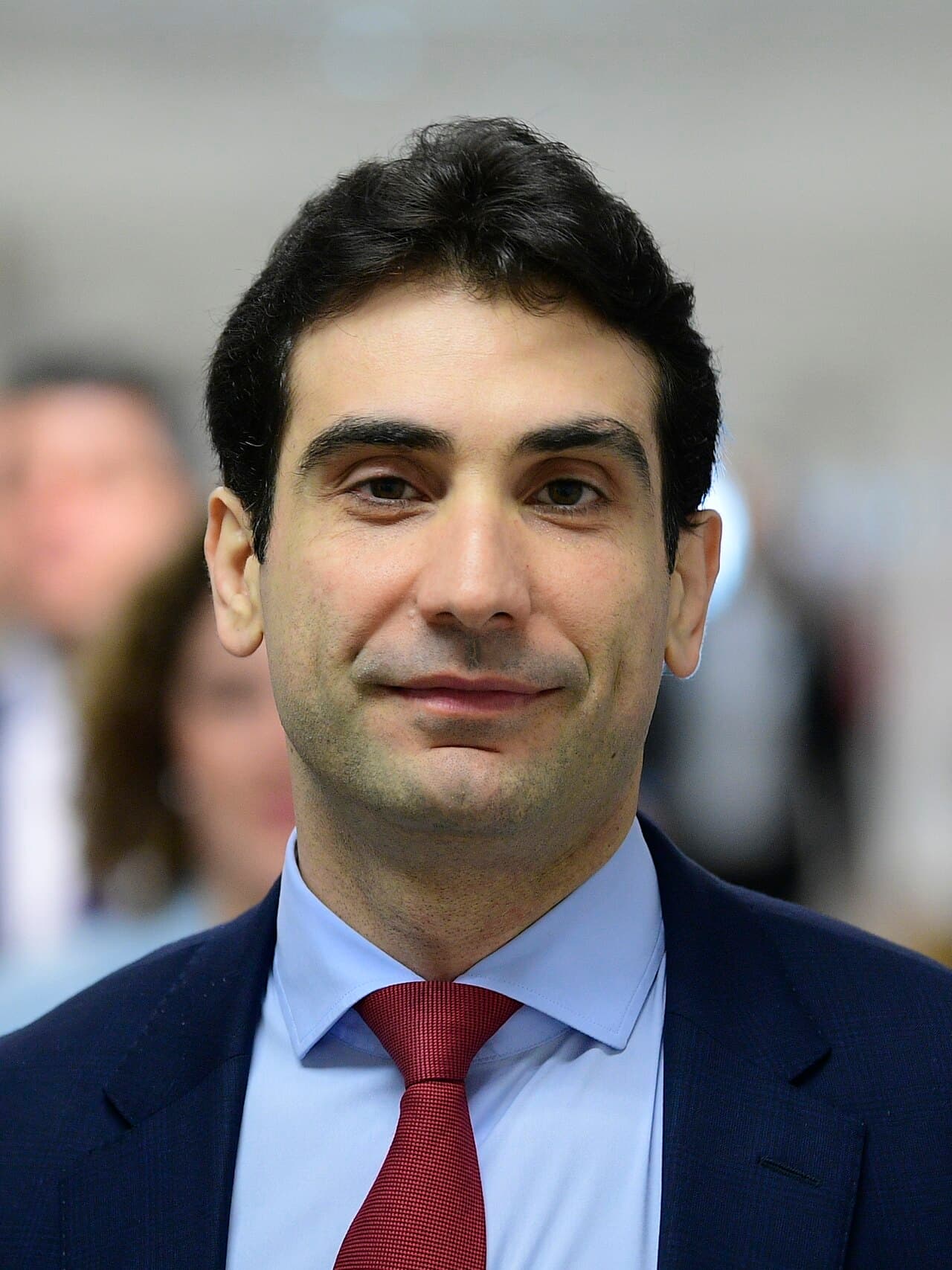
On November 19, 2026, newly publicized police documents of a testimony given on October 7, 2026, revealed that Central Bank of Brazil (BCB) President Gabriel Galípolo personally alerted the Federal Police on November 17, 2025, to prevent the escape of Banco Master's founder, Daniel Vorcaro, as reported by Metrópoles. Galípolo's urgent call occurred just hours before the founder was arrested at São Paulo’s Guarulhos Airport while trying to board a private jet to Dubai. This dramatic call and the surrounding investigation have exposed deep concerns about internal leaks and regulatory breaches, highlighting the ongoing brazil central bank leaks master investigation.
According to the testimony, Galípolo grew highly suspicious when Banco Master requested an urgent, highly unusual meeting hours before Vorcaro’s arrest. The wider investigation, known as "Caso Master" and conducted by the Federal Police, has exposed that the former head-adjunct of BCB’s banking supervision, Paulo Sérgio Neves de Souza, was allegedly leaking confidential board meeting minutes directly to Vorcaro. In exchange for altering official supervisory documents and tipping off the bank, Neves de Souza allegedly received R$ 6.5 million in real estate benefits, a family trip to Disney World, and a R$ 1 million transfer to a coffee business owned by his brother, according to Estadão reports published on November 19, 2026.
In his testimony, Galípolo explained that he and other central bank directors noticed a pattern where representatives from Banco Master would contact the regulator to clarify questions raised during confidential meetings almost immediately after those sessions concluded. This pattern created strong suspicions of internal leaks, which prompted the central bank to restrict the flow of internal information. The Central Bank of Brazil later sidelined the involved staff members and launched its own internal investigation.
The federal probe reveals that Neves de Souza and another former supervisor, Belline Santana, are suspected of serving as informal consultants for Vorcaro. Police allege that the officials helped draft Banco Master's regulatory responses and monitored the central bank's internal systems to alert the financier. Defense attorneys for the former supervisors have contested the allegations, claiming their clients acted within standard regulatory guidelines and under official directives.
What to watch next is whether the Federal Police's ongoing investigation, which is currently overseen by the Supreme Federal Court, will result in formal criminal charges by the Prosecutor-General’s Office (PGR). Prosecutors are currently reviewing the police reports to determine the next legal steps for the accused individuals.
In your brokerage app
While individual financial giants like Itaú Unibanco (ITUB) or Bradesco (BBD)—both listed in New York—remain insulated from direct operational fallout, the broader iShares MSCI Brazil ETF (EWZ) is exposed to the systemic risks of the investigation. Any erosion of trust in the Central Bank of Brazil, which oversees the nation's financial system and sets the benchmark Selic interest rate, typically translates to foreign capital outflows and downward pressure on the Brazilian real (USDBRL) and local interest rate futures (DI1).
Related coverage
 New Monthly Tax Rules to Tighten Grip on US-Listed Banks in BrazilBrazil's National Monetary Council approved monthly tax reporting rules starting in 2028, increasing administrative compliance costs for major banks.
 Senate Passes Fiscal Bill Restricting Brazilian Corporate Tax OffsetsThe Brazilian Senate has approved a fiscal package limiting corporate tax-credit offsets to improve the country's 2027 primary budget balance.
 US-Listed Brazil ETF Braces for Impact as Senate Passes $10B BillBrazil's Senate passed a $10 billion fiscal adjustment bill, modifying spending ceilings and tax benefits, ahead of a key Chamber of Deputies vote on Nov. 23.