

XP Slashes Banco do Brasil Target to R$ 15 on Crop Defaults
XP Investimentos has cut Banco do Brasil's price target to R$ 15 following a crop-credit crisis that forced a massive dividend reduction and profit guidance cut.

Key takeaways
- XP Investimentos cut Banco do Brasil's price target to R$ 15 from R$ 21, per InfoMoney on November 19, 2026
- Banco do Brasil slashed its 2026 adjusted net income guidance to R$ 9-11 billion, per a CVM filing on November 11, 2026
- The bank lowered its 2026 dividend payout ratio to 25% and suspended 2027 intermediate payouts, per a CVM filing on November 11, 2026
XP Investimentos slashed its target price for state-controlled lender Banco do Brasil to R$ 15 from R$ 21 on November 19, 2026, citing a severe crop-credit crisis that has halved the bank's profit outlook and squeezed shareholder payouts, as reported by InfoMoney. Global investors holding the bank's American Depositary Receipts (ADRs) or exposed through broader emerging market exchange-traded funds (ETFs) face a prolonged drag as a rising wave of agricultural defaults curtails dividend distributions.
The downgrade by the Brazilian brokerage follows a dismal third-quarter earnings report that prompted Banco do Brasil (BBAS3) to slash its full-year 2026 adjusted net income guidance. The bank halved its profit target to a range of R$ 9 billion to R$ 11 billion, down from its prior projection of R$ 18 billion to R$ 22 billion, according to a regulatory filing submitted to the Securities and Exchange Commission of Brazil (CVM) on November 11, 2026.
A sudden rise in non-performing loans within Brazil's agribusiness segment is the primary engine behind the slump. Persistent default rates among soybean, corn, and livestock producers have forced the bank to boost its 2026 cost of credit forecast to R$ 80 billion to R$ 83 billion, up from a previous range of R$ 65 billion to R$ 70 billion, as outlined in the November 11 regulatory filing. XP analysts Bernardo Guttmann, Matheus Guimarães, and Guilherme Meneghetti noted in the report cited by InfoMoney that paying behavior in the farm sector remains highly distressed, with limited room for credit cost relief before 2028.
For yield-seeking foreign investors, the direct casualty is the bank's robust dividend distribution. To defend its regulatory capital reserves, Banco do Brasil’s board of directors voted on November 10, 2026, to reduce its fiscal 2026 dividend payout ratio from 30% to the statutory minimum of 25% of adjusted net income, while canceling its November interim dividend announcements, according to the November 11 regulatory filing. Furthermore, the bank suspended all intermediate dividend payments for the entirety of fiscal 2027, leaving any payouts contingent on end-of-year capital positions.
The state-run lender's struggles have fueled a broader retreat among equity analysts. In its third-quarter earnings report released on November 11, 2026, the bank's net income plummeted 66.5% year-over-year to R$ 1.3 billion as credit provisions mounted. With asset quality deteriorating across both agricultural portfolios and individual consumer lines, investors are preparing for a prolonged capital recovery process.
In your brokerage app
American investors exposed to Brazil’s financial sector can track Banco do Brasil through its over-the-counter ADRs under the ticker BDORY, which track the underlying B3-listed shares (BBAS3). The lender’s capital strains and curtailed dividends also heavily weigh on the performance of the iShares MSCI Brazil ETF (EWZ), the primary vehicle for liquid exposure to the Brazilian equity market, where large state-backed entities like Banco do Brasil and Petrobras hold significant weight.
Related coverage
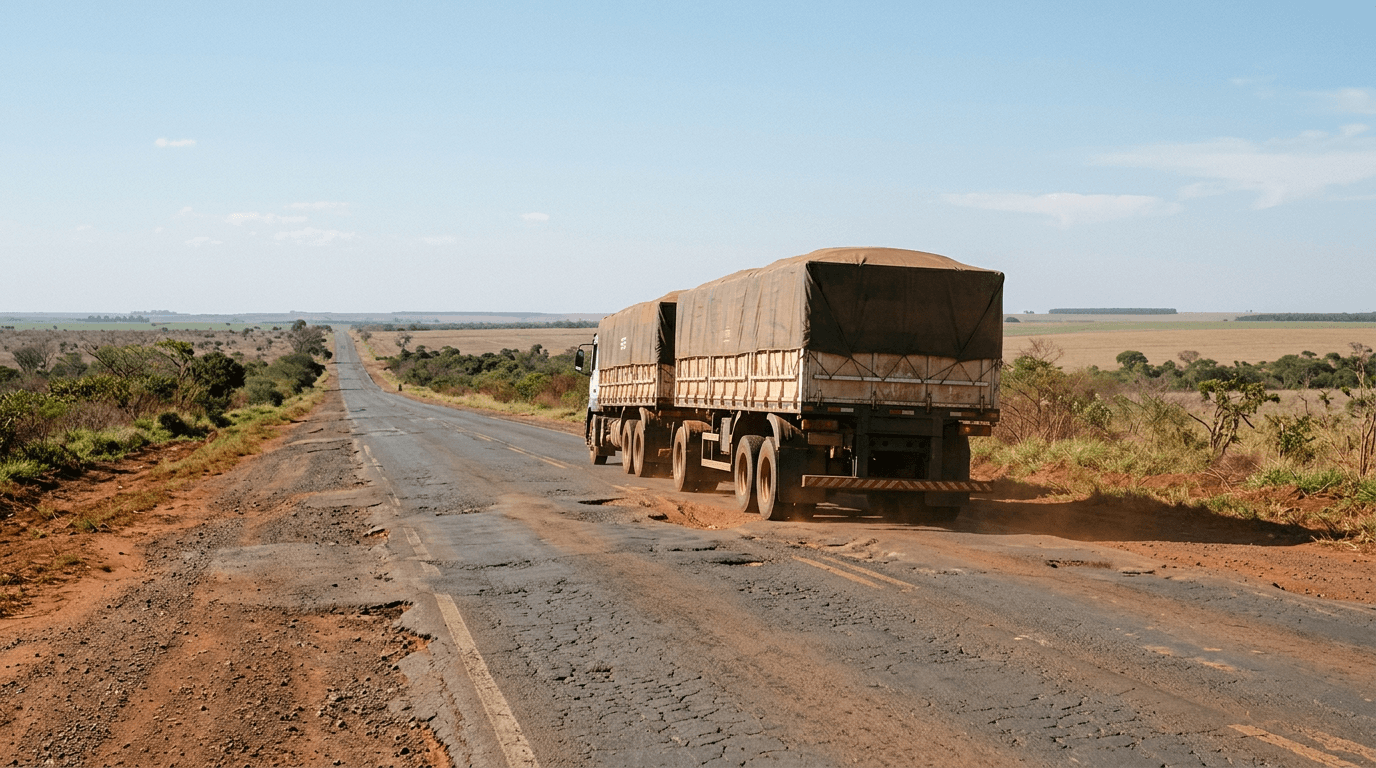 Hidden Corporate Overhead in Brazil Reaches R$3.5 Trillion, Study FindsA new study by Movimento Brasil Competitivo and Monitor Deloitte pegs Brazil's systemic business overhead at 27.5% of GDP, driven by massive logistics deficits.
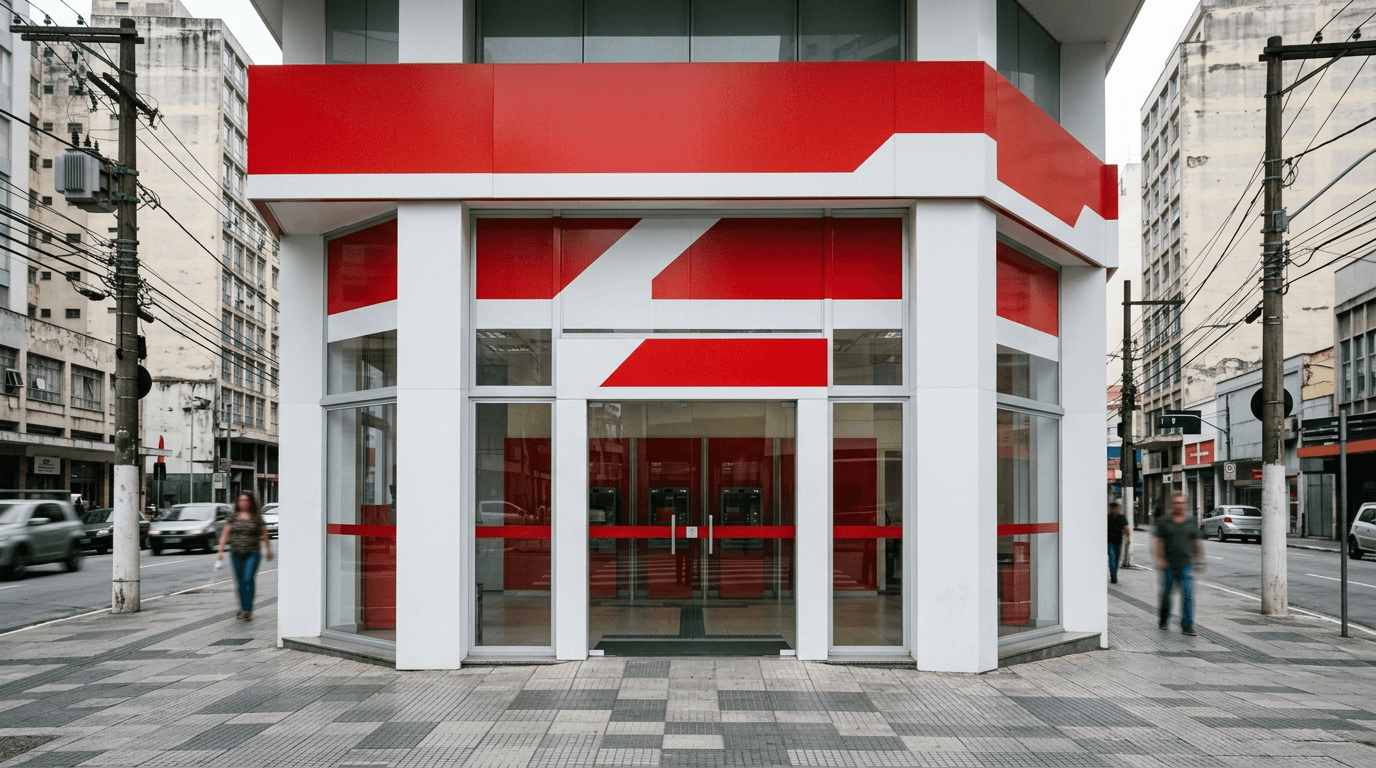 Bradesco Flags 2027 Economic Slowdown, Vows Strict Loan PrudenceBanco Bradesco CEO Marcelo Noronha has warned of credit prudence over riskier expansion due to high consumer debt and a projected 0.4% GDP growth rate for Brazil in 2027.
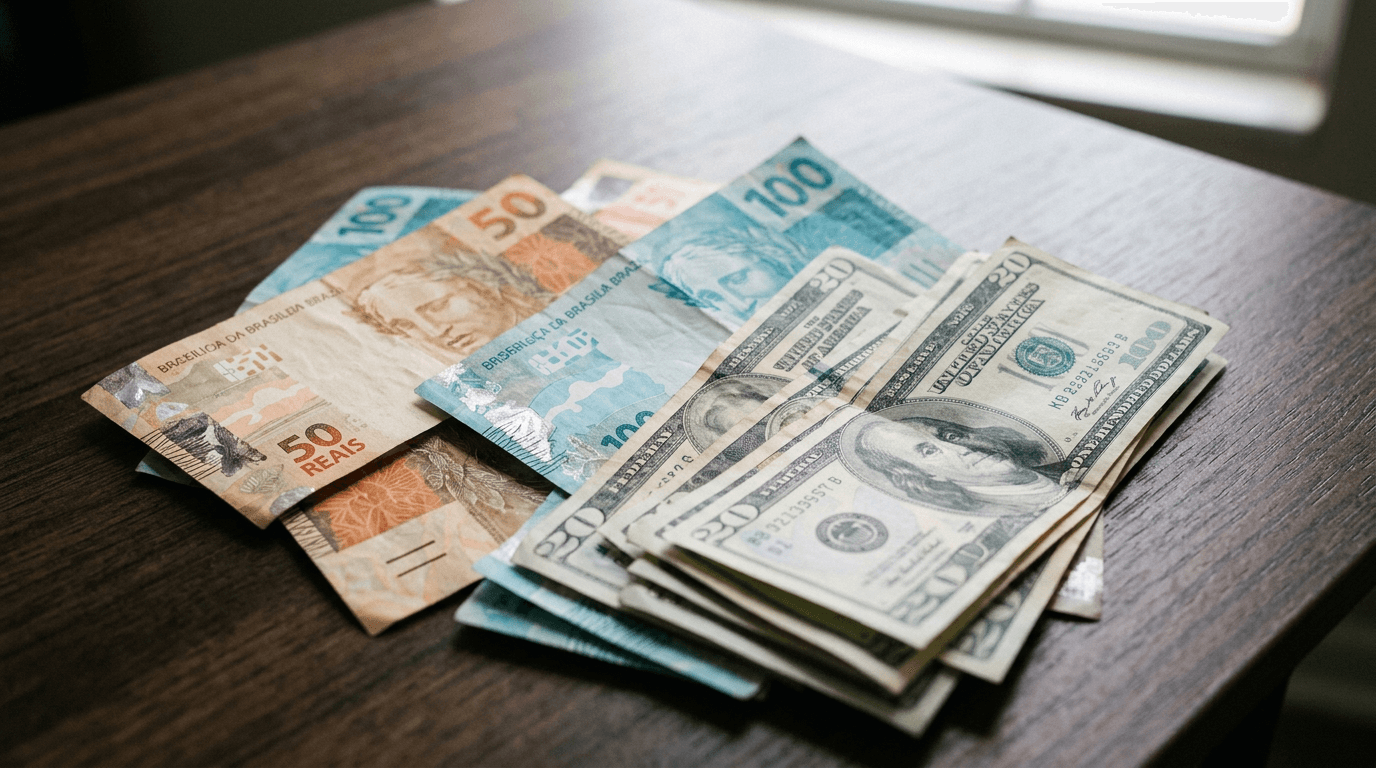 Agi Founder Marciano Testa Reassumes CEO Role to Lead Mexico PushAgi founder Marciano Testa will reassume the CEO role of its Brazilian operations on Dec. 31, 2026, to drive expansion into Mexico.