

Brazil Pushes Pix Offline, a New Test for Digital Payment Companies
The Central Bank of Brazil's move to launch offline contactless Pix payments on Nov 16, 2026, poses a major threat to card networks and New York-listed fintechs.
Key takeaways
- The Central Bank of Brazil announced a new framework for offline contactless Pix payments using NFC, per a central bank statement on November 16, 2026.
- Pix celebrated its six-year anniversary with over 1 billion registered keys, per Central Bank of Brazil data on November 16, 2026.
- The central bank removed the R$500 limit on contactless Pix transactions on October 1, 2026, placing proximity payments on a flexible framework.
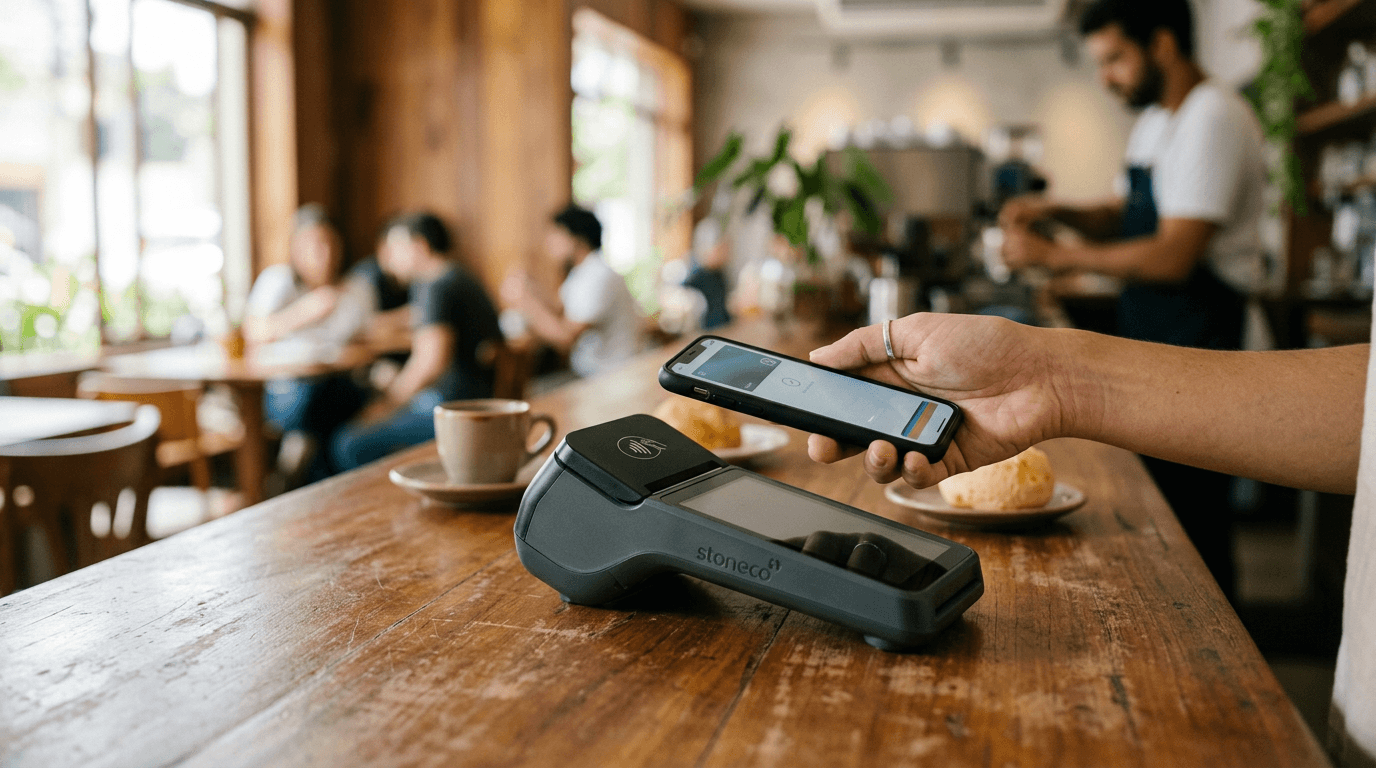
Investors holding shares of New York-listed fintechs like PagSeguro Digital or StoneCo face a new competitive landscape following a major regulatory shift announced by the Central Bank of Brazil on November 16, 2026. On this date, the central bank officially unveiled plans to take its dominant instant-payment rail, Pix, completely offline. The upcoming tool will enable contactless near-field communication (NFC) transactions on phones, chip cards, and wearables, bypassing standard internet requirements to challenge traditional merchant acquirers directly.
This offline push marks the six-year anniversary of the state-backed instant-payment network, which launched on November 16, 2020, under the direction of the Central Bank of Brazil. According to data reported by the Central Bank of Brazil on November 16, 2026, Pix has amassed over 1 billion registered keys across the Brazilian economy, serving nearly 170 million active users. By removing the requirement for an active internet connection, the central bank aims to conquer the final frontiers of physical retail, including remote areas, underground public transit, and high-frequency micropayments.
The decision poses a formidable threat to card processing giants and domestic acquirers. Historically, Visa, Mastercard, and local players have extracted interchange and processing fees from tap-to-pay transactions. Offline Pix bypasses these payment card rails entirely, allowing direct bank-to-bank settlement at a fraction of the cost. Merchants typically pay an average fee of just 0.22% on Pix transactions, compared to over 1% for debit cards and 2% for credit cards, according to the Central Bank of Brazil's historical retail payment reports from late 2024. While this squeezes legacy payment processors, the seamless payment environment also makes the country highly attractive, easing daily transactions in Brazil for digital nomads and international travelers who rely heavily on digital banking without wanting to carry local cash or plastic cards.
The regulatory framework for this expansion has been rolling out rapidly over the preceding weeks. On October 1, 2026, the Central Bank of Brazil officially ended the separate R$500 ($90) limit on contactless Pix transactions under Instruction Normative BCB 746, as reported by Money Times. This change folded proximity payments into the same flexible, user-defined limit framework as standard Pix transfers, allowing larger transactions to be completed via tap-to-pay. With these caps removed, the new offline capability will enable users to make high-value purchases instantly even when their mobile devices lose cellular connectivity.
Looking ahead, the Central Bank of Brazil expects to finalize technical and security standards for offline Pix throughout late 2026 and into 2027. Investors will want to watch how quickly terminal providers update their point-of-sale systems to support offline NFC packets, and how handset manufacturers negotiate secure-element access with antitrust authorities. The pace of this rollout will dictate how quickly traditional debit card volumes migrate to the national instant-payment rail.
In your brokerage app
Investors holding PagSeguro Digital or StoneCo, both listed in New York, will need to closely monitor how these merchant acquirers adapt to the offline Pix rollout. While the expansion of state-backed contactless payments directly threatens traditional debit card transaction fees, both companies are attempting to protect their merchant relationships by integrating Pix capabilities into their terminal hardware and charging software-reconciliation fees.
Related coverage
 Brazil Policy Shifts and Tax Overhaul Pressure Stock MarketBrazil's dual VAT proposals, tech regulations, and utility license reviews are creating headwinds for international investors.
 Senate's R$18B Tax Credit Cap Threatens Corporate Cash FlowThe Brazilian Senate is debating PLP 299/2026, a fiscal package that limits companies from offsetting federal taxes with accumulated tax credits.
 Citi Cuts Petrobras ADR Target to $18.50 on Capital Spending RisksCitigroup lowered its Petrobras ADR target to $18.50 on capital expenditure concerns, ahead of the oil company's strategic plan release on November 23.